Profile
VEX Robotics: The Global Standard in Competitive Educational Engineering
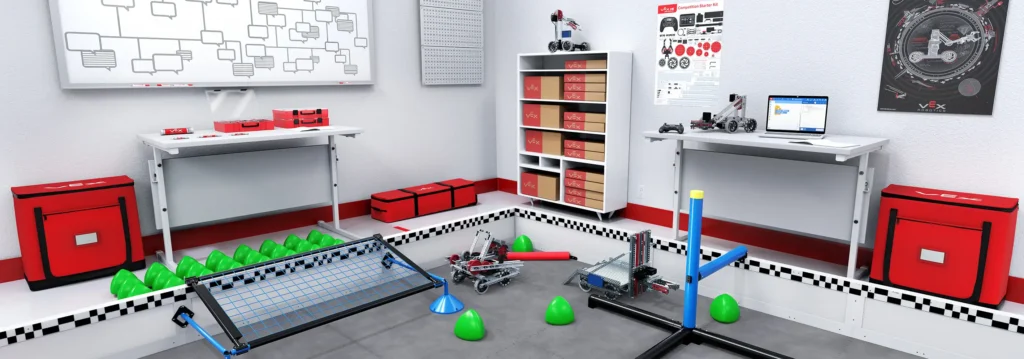
VEX Robotics, a flagship brand of Innovation First International (IFI), stands as one of the most influential forces in STEM education and competitive robotics worldwide. Headquartered in Greenville, Texas, the company has spent over two decades transforming how students engage with engineering, computer science, and problem-solving. While many robotics platforms focus on casual play or single-student exploration, VEX has built its reputation on rigorous, competition-driven design, creating an ecosystem where students build robots not just to learn, but to conquer complex, game-based engineering challenges.
The Competition Ecosystem
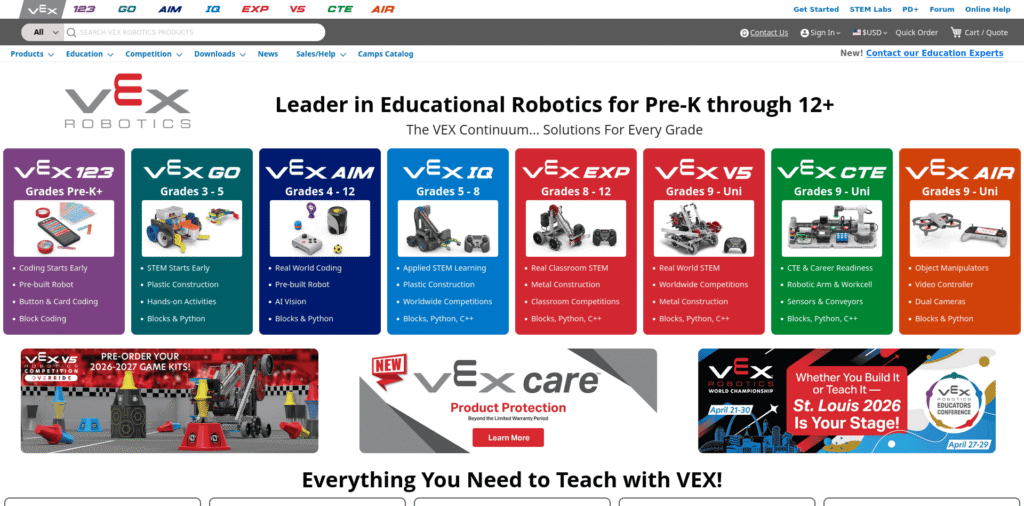
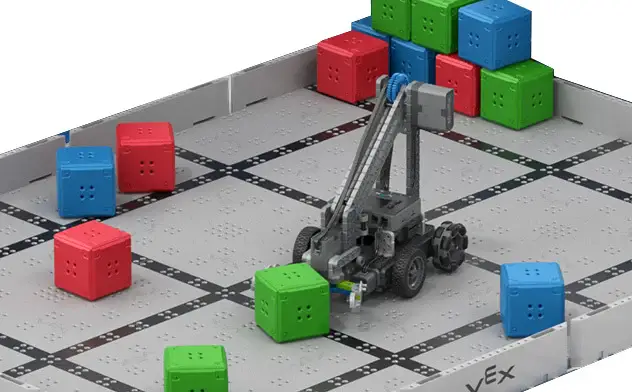
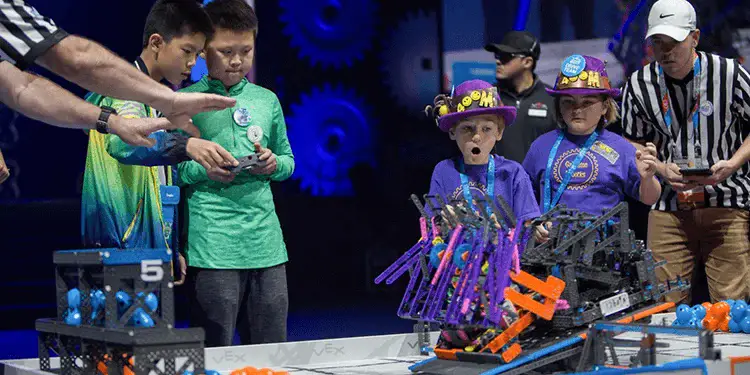
At the heart of VEX lies its unparalleled competition infrastructure. The organization manages three primary competition tiers: VEX IQ (elementary and middle school), VEX V5 (middle school through university), and VEX U (collegiate level). Each year, the Robotics Education & Competition (REC) Foundation—closely partnered with VEX—releases a new engineering challenge. Teams of students must design, build, and program robots to score points in alliances, navigating tasks that demand precision, speed, strategic thinking, and mechanical reliability.
The scale of this operation is staggering. The VEX Robotics World Championship regularly draws over 10,000 teams from more than 70 countries, filling convention centers with students competing at the highest levels of autonomous and driver-controlled robotics. This global community has created a culture where “VEX” is synonymous with serious student engineering.
Product Architecture and Innovation
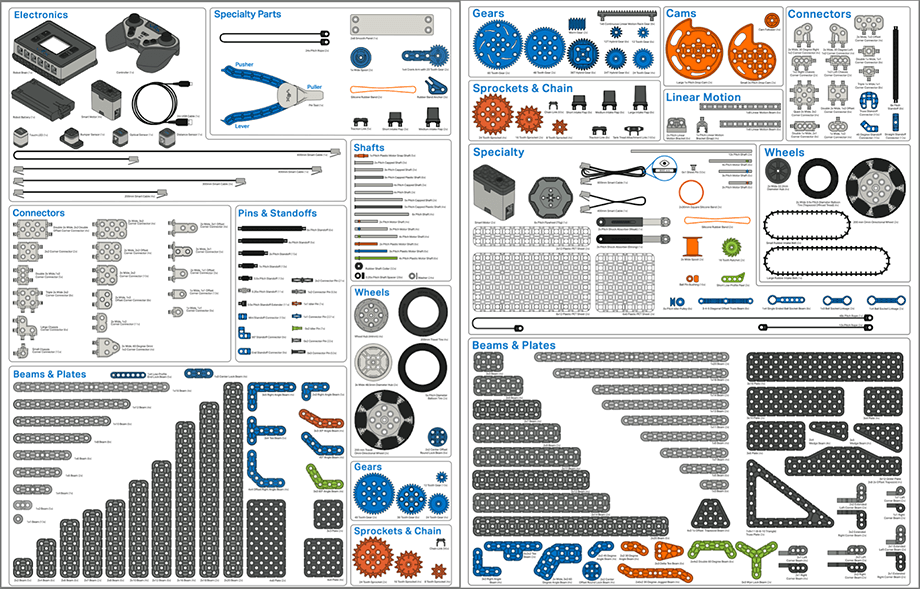
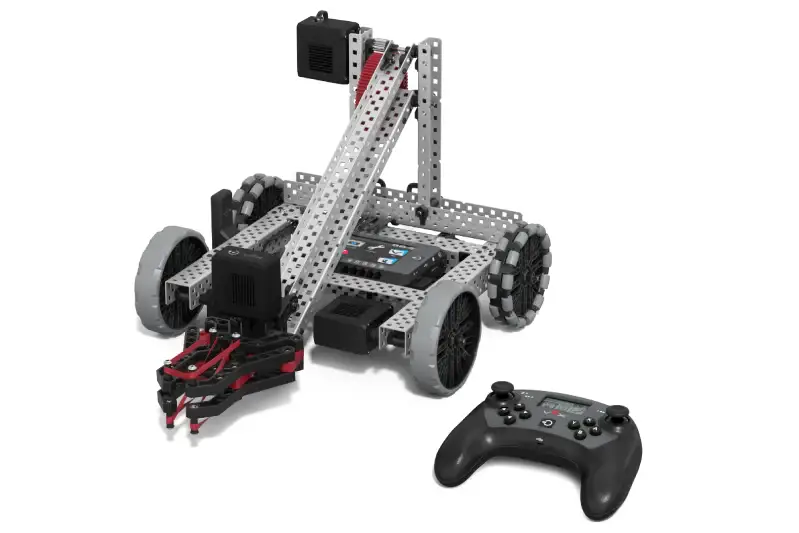
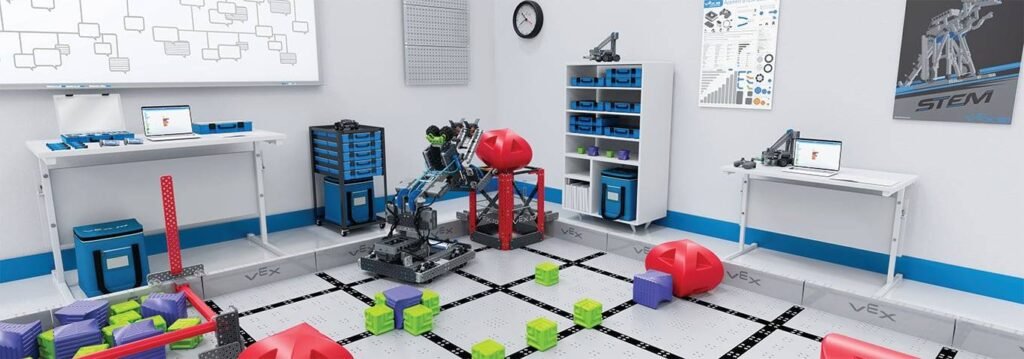
VEX V5 represents the company’s flagship system, designed specifically to endure the punishing demands of competitive robotics while teaching professional engineering principles. The platform utilizes a modular design philosophy, combining structural metal components, smart motors, pneumatic systems, and the V5 Brain—a powerful, color touchscreen controller running a proprietary real-time operating system.
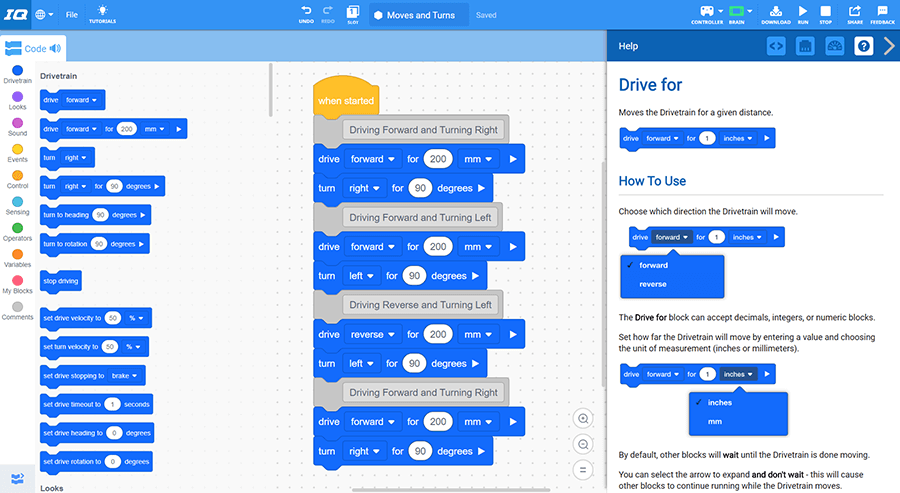
Unlike many educational platforms that rely on closed ecosystems, VEX embraces VEXcode, a programming environment that scales from block-based coding to text-based C++ and Python. This progression allows students to grow from novice programmers to computer science practitioners capable of implementing advanced control algorithms, sensor fusion, and autonomous path planning.
The VEX ecosystem extends beyond robots. Through VEXcode VR (Virtual Robot), students can program virtual robots in online environments, democratizing access to robotics education for schools lacking physical hardware or resources.
Educational Philosophy and Impact
VEX operates on the principle that constraints breed creativity. The annual competition game forces teams to make engineering trade-offs under strict size, weight, and cost limitations—mirroring real-world product development. Students learn CAD (Computer-Aided Design) using VEX’s free design software, prototype in virtual environments, and iterate through physical builds, collapsing the traditional semester-long design cycle into weeks of frantic innovation.
The company’s alignment with the REC Foundation has enabled massive educational outreach. VEX provides comprehensive curricula, teacher training, and grants to under-resourced schools, ensuring that competition robotics isn’t limited to affluent districts. The platform serves over one million students globally, creating a pipeline of talent that flows directly into university engineering programs and technology careers.
Industry Position and Unique Value
VEX distinguishes itself from competitors like LEGO Education or FIRST Robotics by occupying a specific technical niche: complexity without prohibitive cost. While FIRST teams might spend tens of thousands of dollars on season-specific machines, VEX competitions cap costs, emphasizing design efficiency over resource expenditure. A competitive VEX robot might cost hundreds, not thousands, yet can demonstrate sophisticated mechatronic integration, sensor processing, and algorithmic autonomy.
The platform’s durability is legendary. VEX components withstand impacts, drops, and constant reassembly across seasons, reflecting industrial-grade manufacturing rather than toy-grade durability. This reliability has made VEX increasingly popular in university robotics courses and professional prototyping scenarios where teams need rapid, affordable iteration.
Future Trajectory
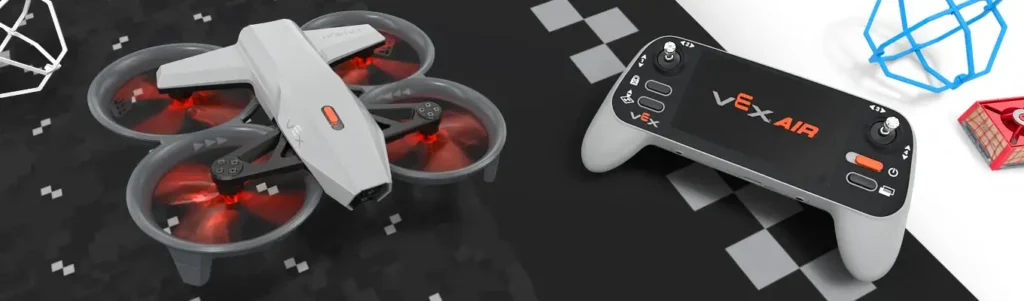
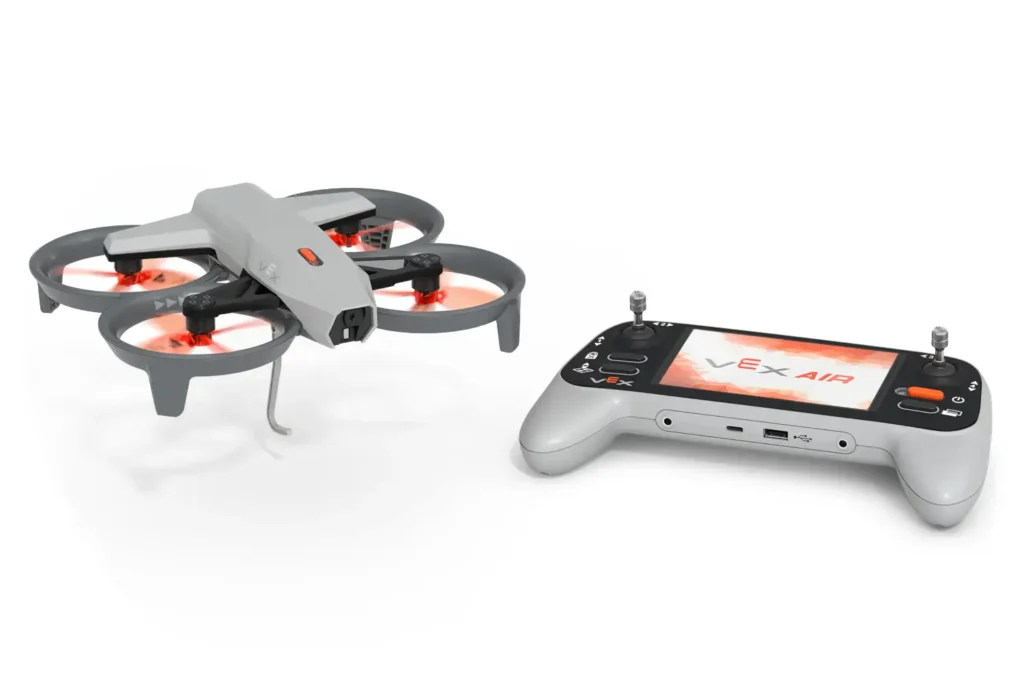
As VEX continues growing, the company is expanding beyond competition into broader STEM integration. Recent developments emphasize artificial intelligence education, drone technology (with VEX V5 Workcell), and industry certifications that translate competition skills into professional credentials.
VEX Robotics represents more than a product line; it represents a pedagogical revolution. By transforming abstract engineering concepts into tangible, competitive stakes, the company has created a generation of students who view failure not as defeat, but as data—just another iteration in the design process. In an era where technological literacy increasingly determines economic opportunity, VEX provides the tools, community, and relentless competitive spirit to ensure that students don’t just learn about the future—they build it, one robot at a time.
Map
Sorry, no records were found. Please adjust your search criteria and try again.
Sorry, unable to load the Maps API.