Profile
Teradyne is a global leader in semiconductor test equipment and advanced robotics. Founded in 1960 and headquartered in North Reading, Massachusetts, the company is publicly traded (NASDAQ: TER) and operates in over 50 countries. Teradyne is best known for its automated test equipment (ATE) that ensures the quality and reliability of semiconductors used in everything from consumer electronics to automotive safety systems and AI servers. In recent years, the company has significantly expanded its robotics portfolio through strategic acquisitions, becoming a major player in collaborative and mobile robotics for industrial automation.
While Teradyne’s core business remains semiconductor testing (with solutions like the UltraFLEX, J750, and new Photon 100 platform for silicon photonics), its Teradyne Robotics division is a fast-growing segment focused on practical, production-ready automation. This division includes two flagship companies:
Key Robot-Based Products and Brands:
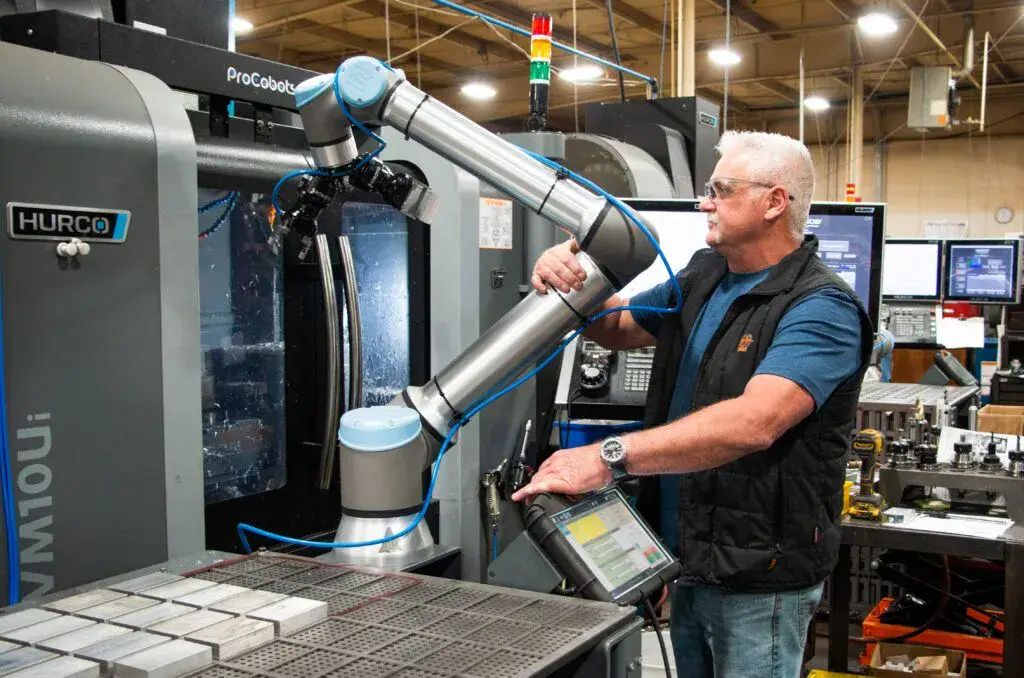
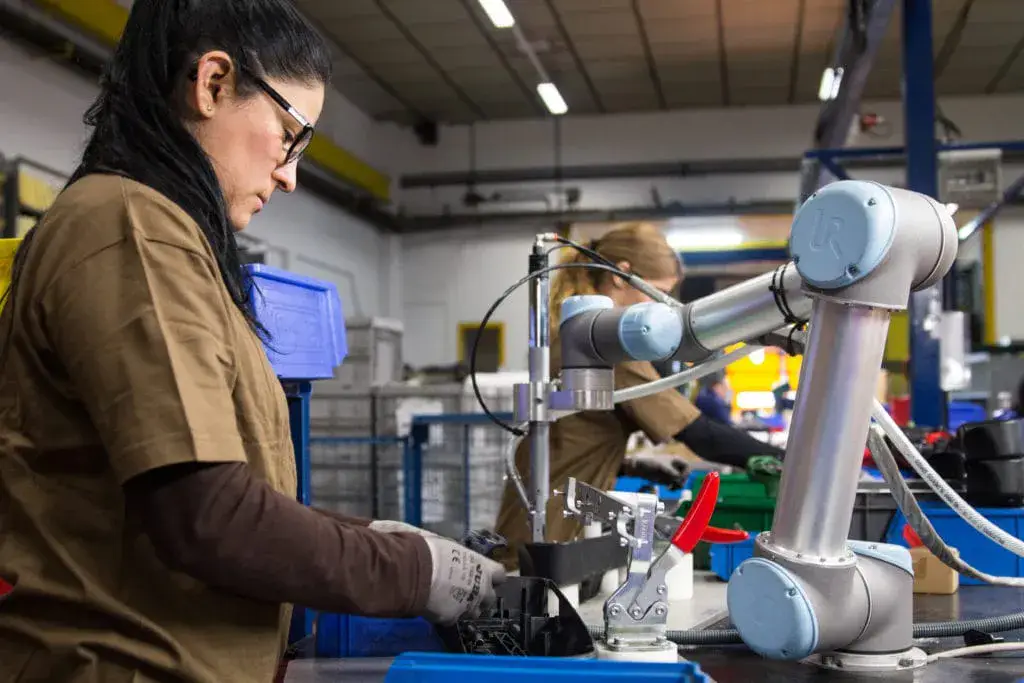
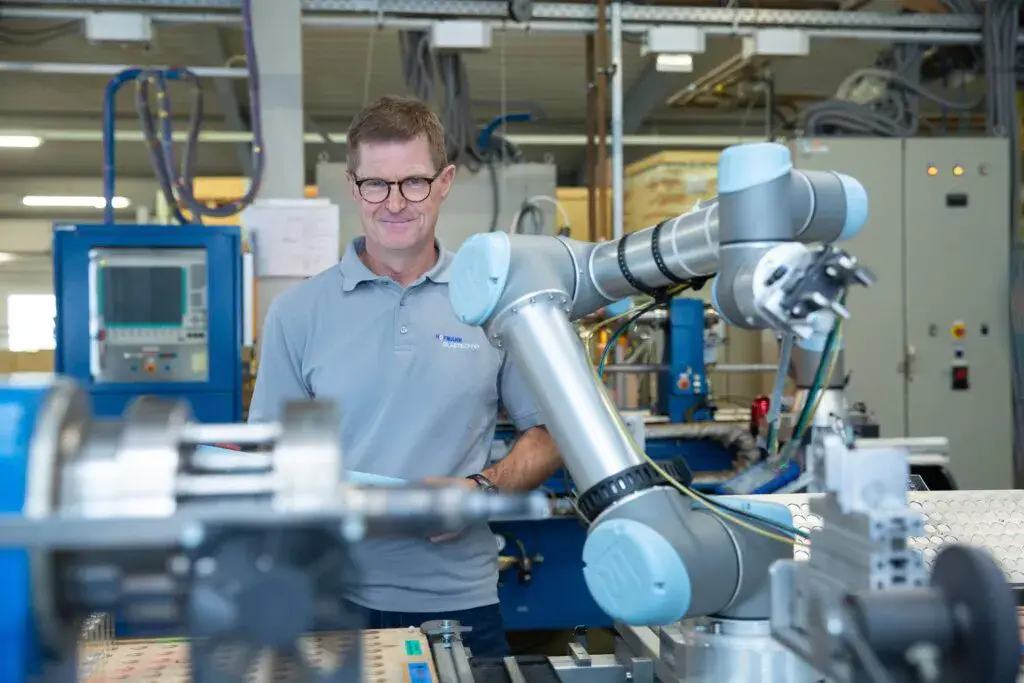
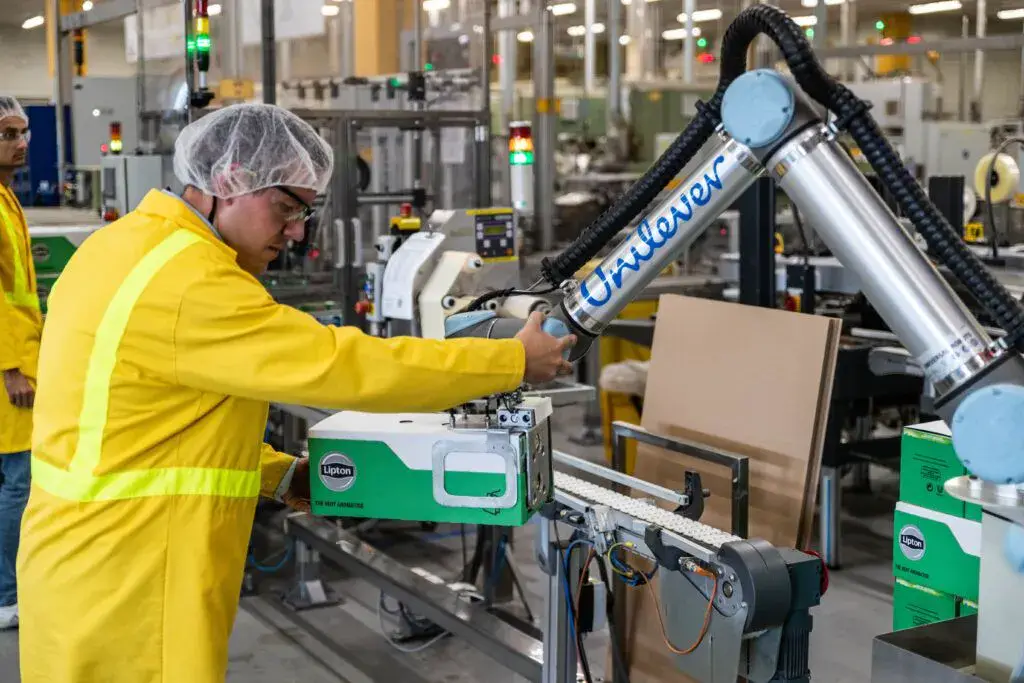
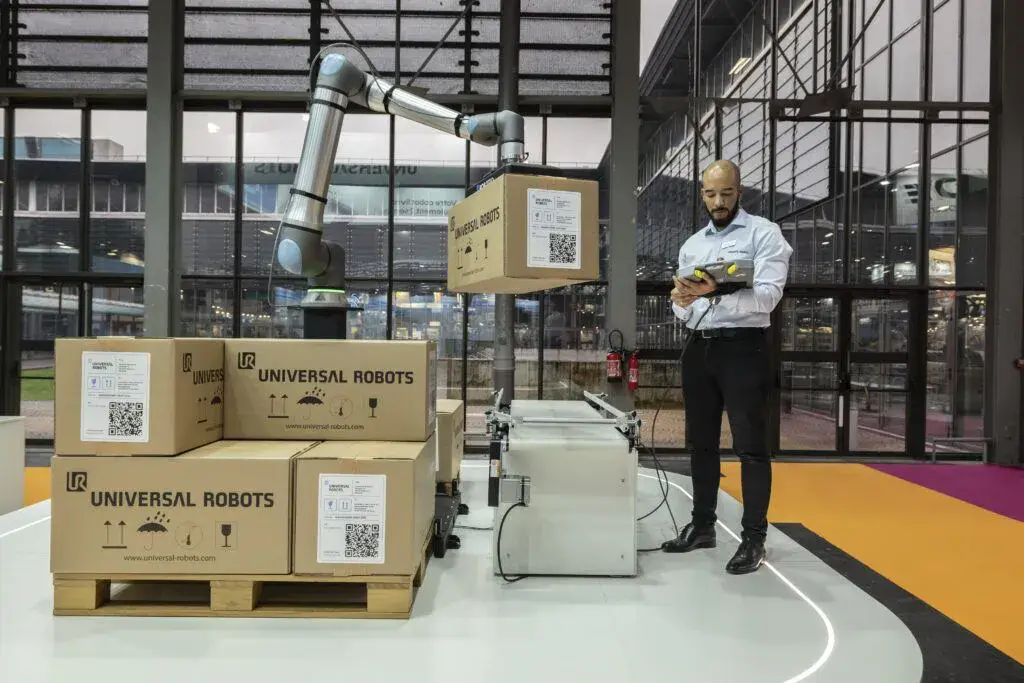
- Universal Robots (UR): The pioneer and market leader in collaborative robots (cobots). UR’s cobots (including the popular UR5, UR10, UR16e, and newer UR15/UR30 models) are designed for safe, direct human-robot collaboration without safety fencing. They are used for machine tending, assembly, pick-and-place, palletizing, welding, and quality inspection across industries. With over 75,000 cobots installed worldwide, UR remains the most widely adopted collaborative robot platform.
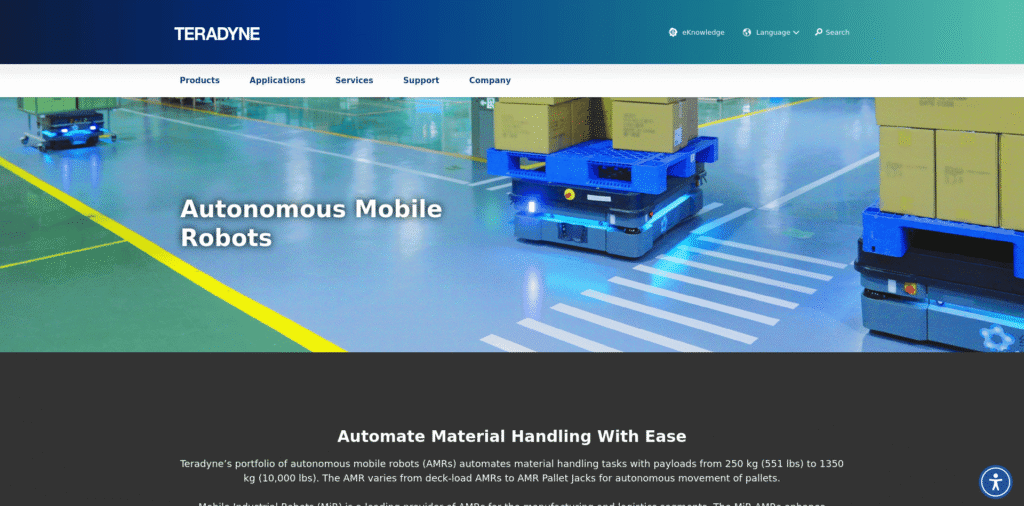
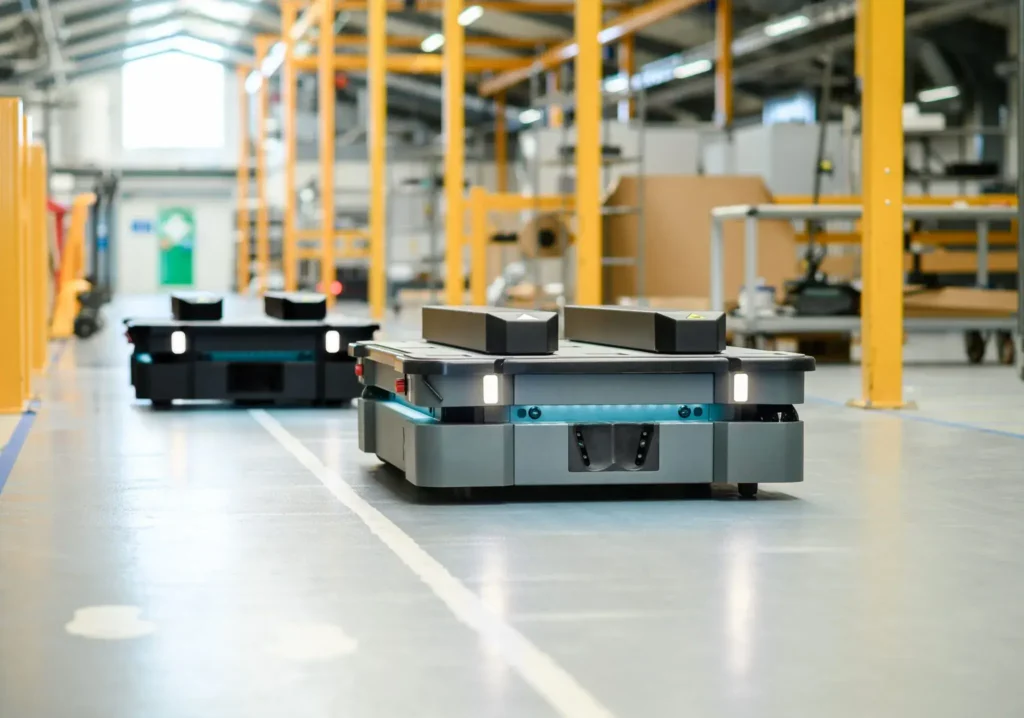
- Mobile Industrial Robots (MiR): A leader in Autonomous Mobile Robots (AMRs). MiR’s robots (ranging from 250 kg to 1,350 kg payload capacity) automate material transport in factories and warehouses. Models like the MiR250, MiR600, and MiR1200 Pallet Jack move goods efficiently between workstations, reducing manual handling and enabling flexible logistics. MiR robots are known for their ease of deployment, safety, and ability to operate in dynamic environments alongside people.
Teradyne Robotics provides an integrated AI-powered platform that combines cobots for work cells, AMRs for transport between cells or warehouses, and hybrid mobile cobots. This ecosystem allows manufacturers to scale automation flexibly and achieve significant productivity gains while improving worker safety. The division continues to grow through innovation in Physical AI, fleet management, and seamless integration across robot types.
Map
Sorry, no records were found. Please adjust your search criteria and try again.
Sorry, unable to load the Maps API.