Profile
Roboto (Roboto Technologies, Inc.) is a Seattle-based robotics data analytics company that provides a specialized analytics engine for Physical AI and robotics fleets. The platform is designed to help robotics teams manage, analyze, and extract value from the massive volumes of multimodal data generated by their robots (logs, video, sensor streams, etc.). Instead of drowning in raw data, teams use Roboto to automatically surface issues, identify root causes, curate training datasets, and track fleet-wide reliability metrics.
Roboto ingests virtually every robotics log format (ROS bags, PX4 ULog, ArduPilot, MCAP, Parquet, CSV, JSON, video files, and custom formats) and turns them into queryable, structured datasets. Users can search across their entire fleet by metadata, topics, signal patterns, or events. The platform supports powerful automation through Actions and Triggers — users define Python-based workflows that run automatically on every new upload (e.g., anomaly detection, grasp performance analysis, or QA checks).
Core capabilities include:
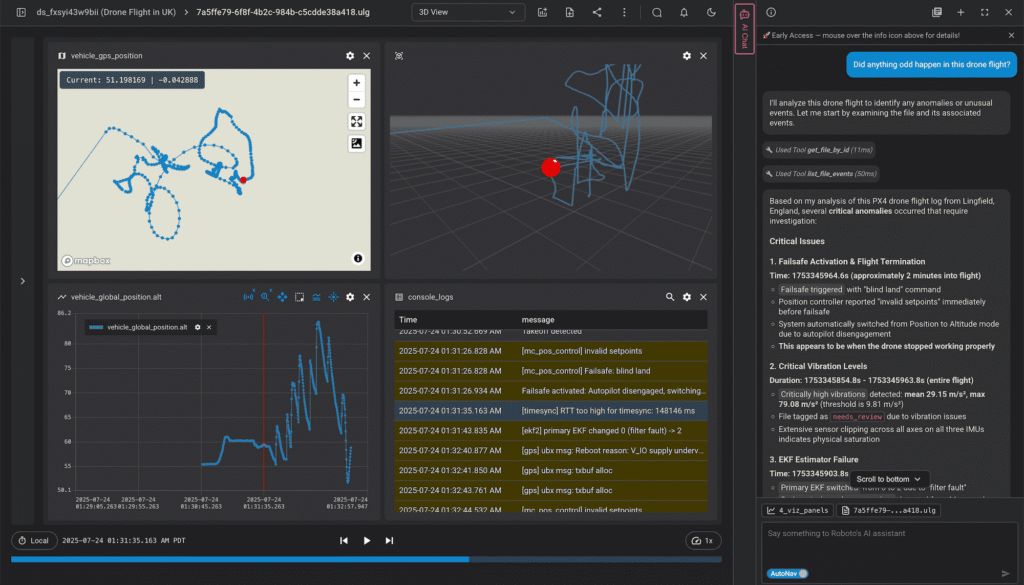
- Automated Analysis & Agents: Custom agents and deterministic health checks run on every log to flag vibration spikes, sensor failures, failsafes, GPS issues, and other anomalies. AI agents can even perform root-cause triage and suggest fixes.
- Fleet Query & Pattern Search: Users can query across millions of miles or thousands of flights (e.g., “find all Boston drives where vehicle speed exceeded 20 mph”) and match similar signal patterns across the fleet.
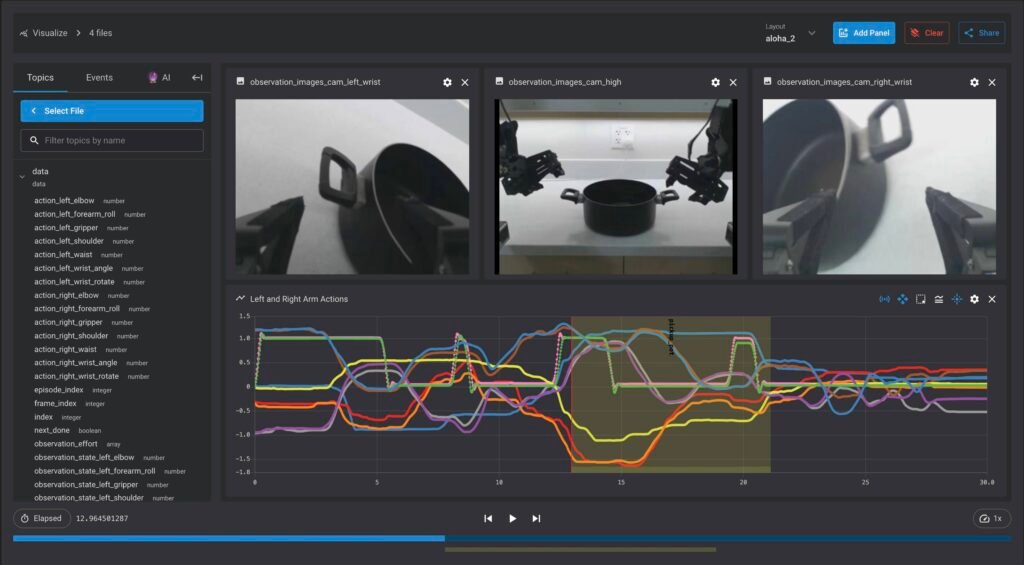
- Dataset Curation: Turn raw recordings into structured episodes and Collections ready for training pipelines (e.g., LeRobot, Hugging Face). This accelerates the data flywheel for improving AI models.
- Reliability Tracking: Create custom metrics and dashboards to monitor performance, detect regressions, and maintain audit trails for regulators (e.g., FAA Part 108).
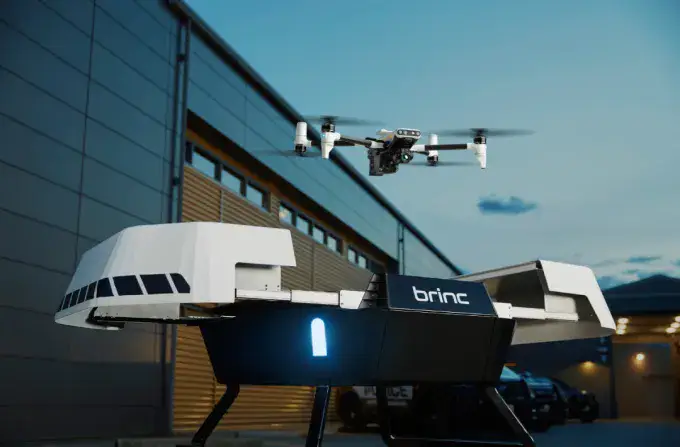
Roboto is already trusted by production robotics teams at companies like BRINC (drones), ANYbotics (quadrupeds), and Telos Health (surgical robotics). It significantly reduces manual investigation time and helps teams scale fleets with higher reliability. The platform is used across drones, autonomous vehicles, medical/surgical robots, and other Physical AI systems.
Map
Sorry, no records were found. Please adjust your search criteria and try again.
Sorry, unable to load the Maps API.