Profile
Ocean Infinity is a marine robotics and ocean technology company founded in 2017, with headquarters in Austin, Texas, and major operations in Southampton, United Kingdom. The company specializes in transforming traditional maritime operations through advanced robotics, autonomous vessels, AI, and remote command systems. Its mission is to make ocean operations safer, more efficient, sustainable, and environmentally responsible by drastically reducing the need for large crews offshore while delivering high-quality seabed and marine data at scale. Ocean Infinity serves industries including offshore energy (oil & gas and renewables), government, defense, search & rescue, and scientific research.
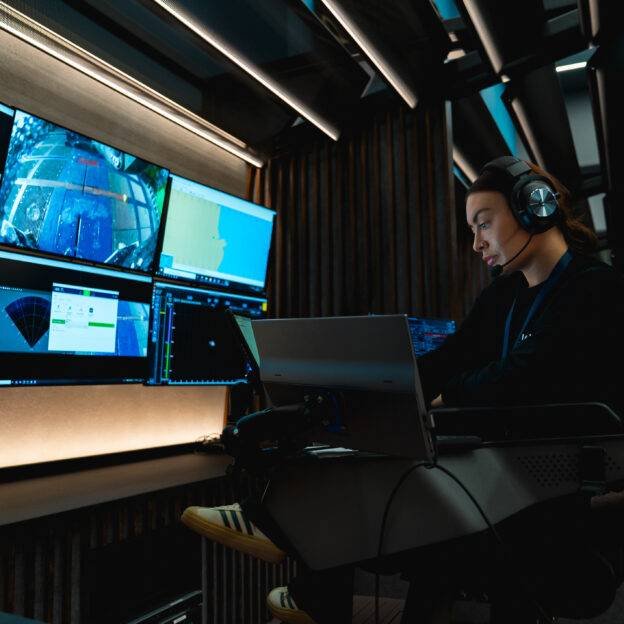
The company operates one of the world’s most advanced fleets of robotic marine systems, combining Uncrewed Surface Vessels (USVs) and Autonomous Underwater Vehicles (AUVs) controlled from onshore operation centers.
Key robot-based products and systems:
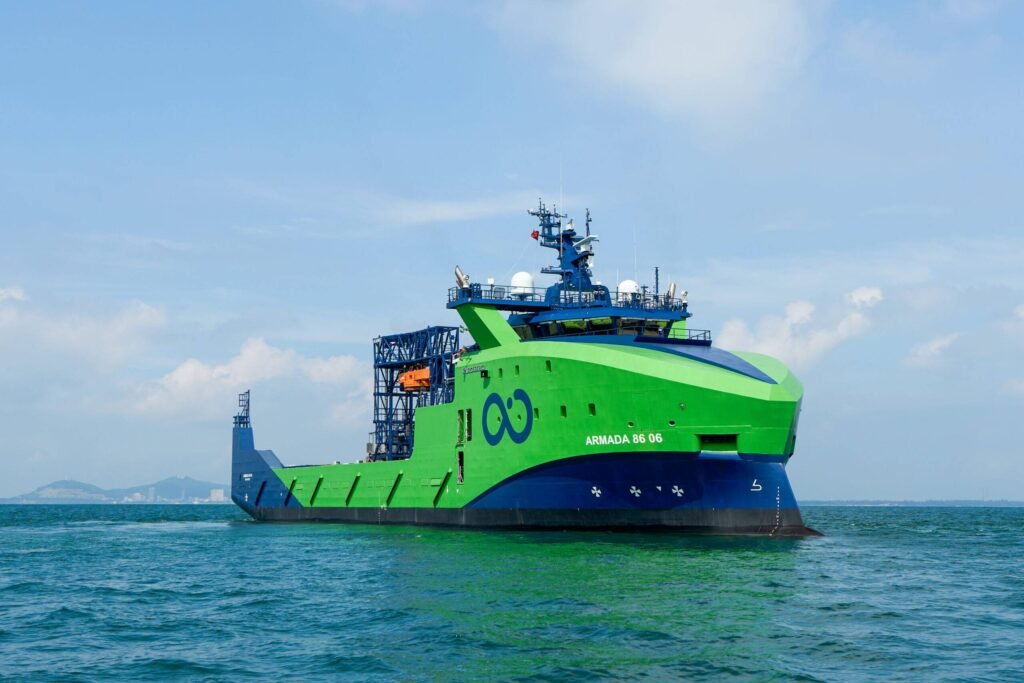
- Armada Fleet: Ocean Infinity’s flagship fleet of robotic surface vessels. This includes a completed series of 21m and 36m vessels, plus larger 78m optionally crewed/multi-purpose robotic vessels. These advanced USVs are designed for remote and autonomous operations, supporting extended missions with minimal crew. They act as motherships for deploying and recovering underwater robots while performing high-resolution seabed mapping, inspection, and data collection. The fleet represents a major milestone in commercial marine robotics, with the final vessel delivered in late 2025.
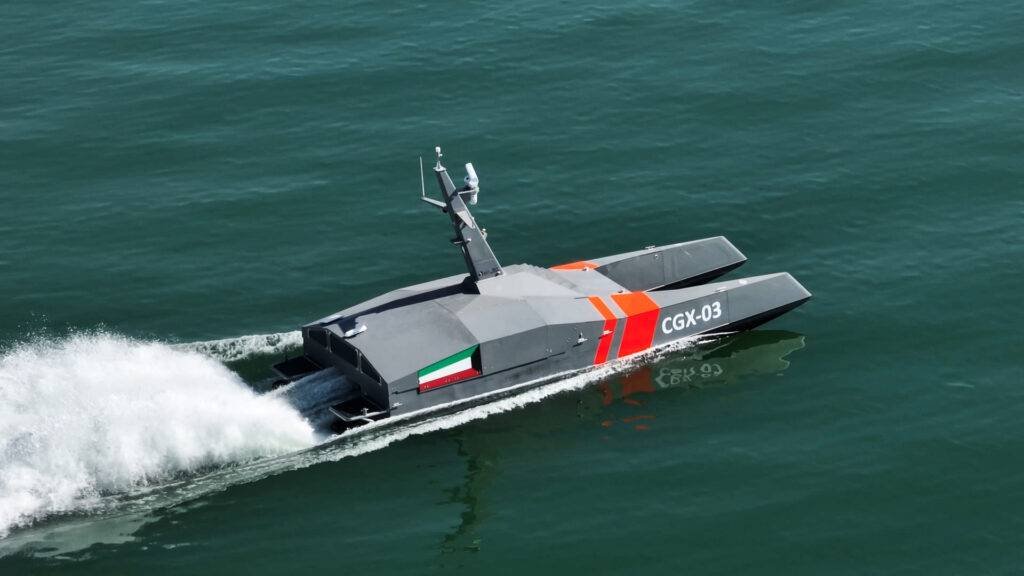
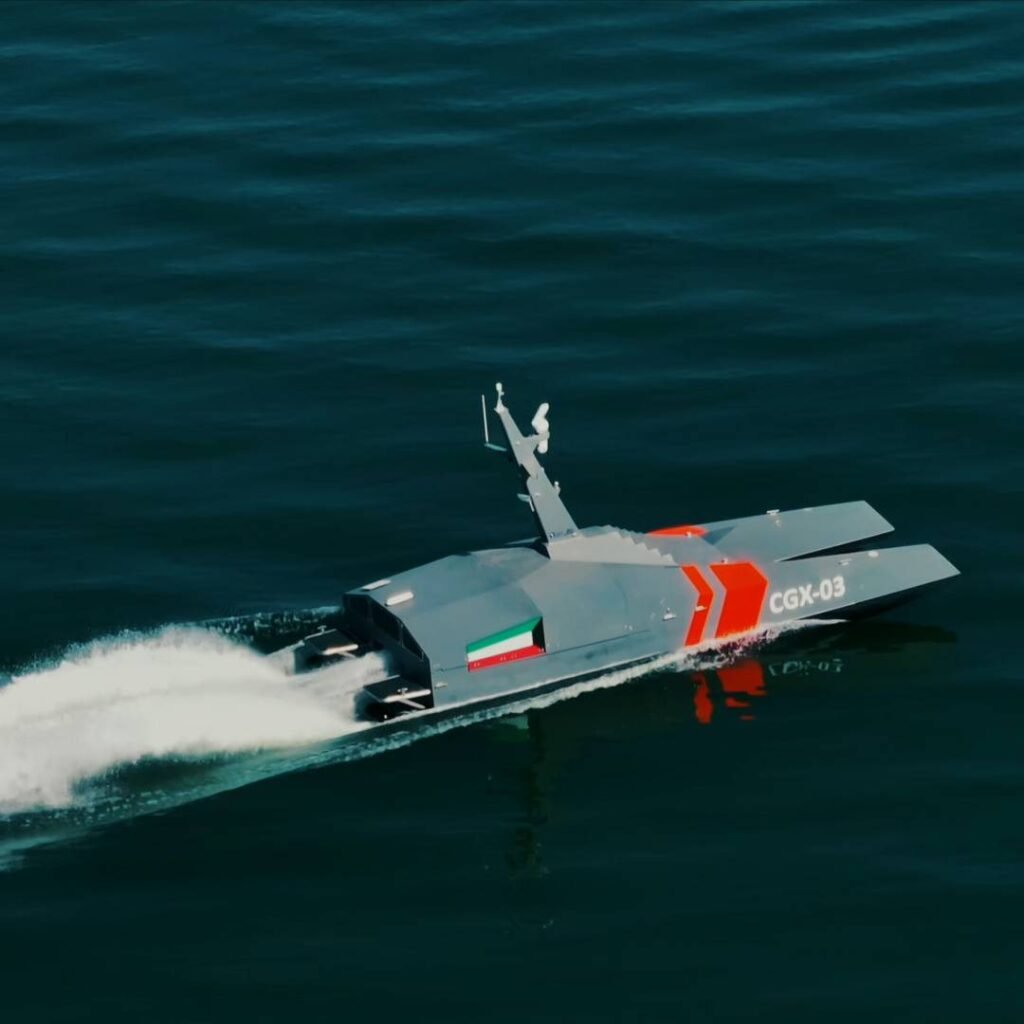
- NeedleFish USV: A smaller, agile autonomous surface vessel launched for applications such as maritime surveillance and coastal operations (e.g., deployed in Kuwait).
- Autonomous Underwater Vehicles (AUVs): A fleet of 14+ advanced AUVs capable of deep-ocean operations for high-resolution mapping, search operations (including the MH370 search), and detailed asset inspection. These robots work in coordination with the Armada surface vessels.
Ocean Infinity’s integrated technology stack includes custom robotic hardware, real-time remote command-and-control software, AI-driven data processing, and advanced sensors. This enables safer operations (fewer people at sea), lower emissions, and significantly faster data acquisition compared to traditional vessel-based methods. The company has conducted groundbreaking projects, including large-scale seabed searches and commercial surveys, while continuing to expand its robotic capabilities.
Map
Sorry, no records were found. Please adjust your search criteria and try again.
Sorry, unable to load the Maps API.