Profile
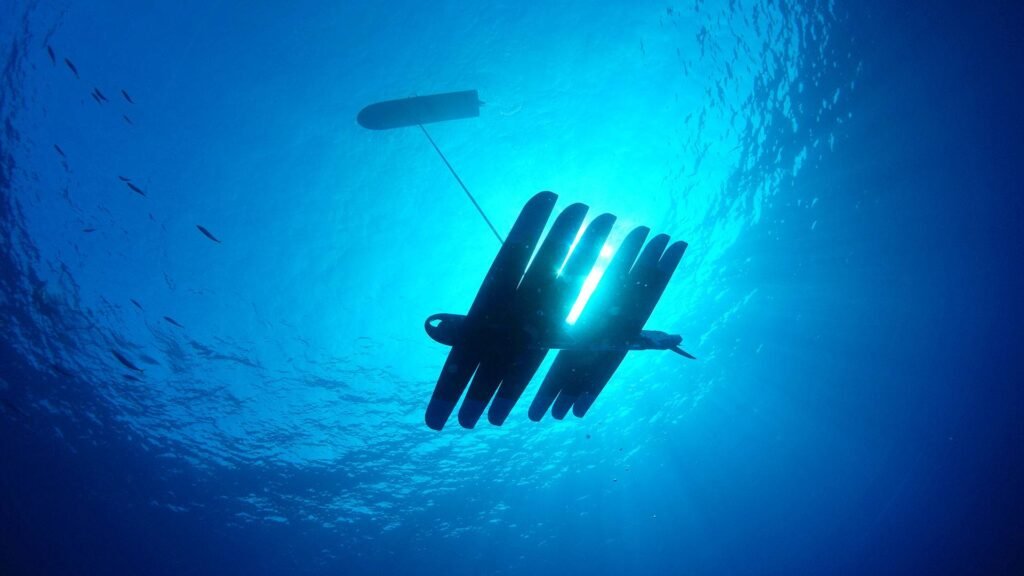
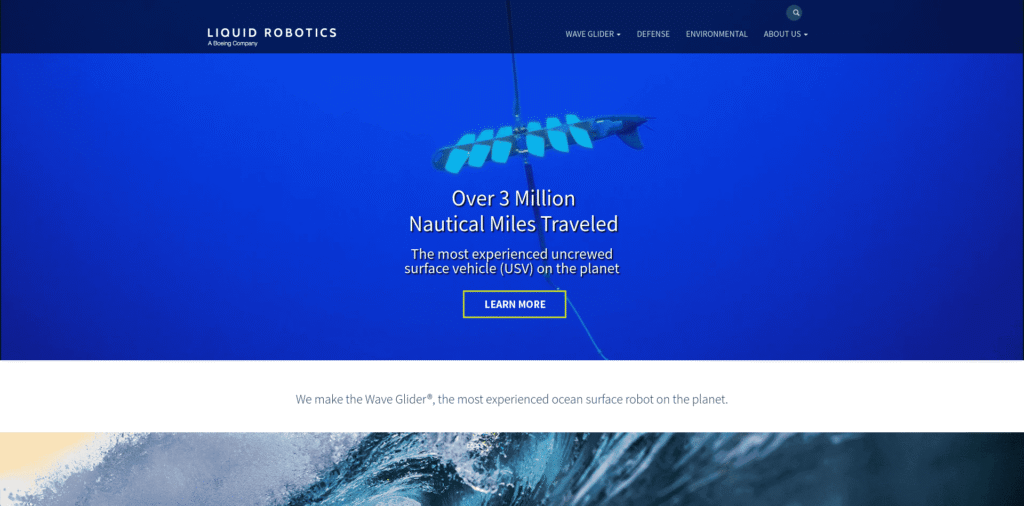
Liquid Robotics, a wholly owned subsidiary of The Boeing Company, is a pioneering developer of autonomous ocean surface vehicles (USVs). Founded in 2007 and headquartered in Herndon, Virginia, with marine operations in Hawai‘i, the company specializes in long-endurance, wave- and solar-powered unmanned systems designed for persistent maritime presence. Their core innovation, the Wave Glider, is recognized as the most experienced ocean surface robot, with a fleet that has collectively traveled over 3,000,000 nautical miles while operating in diverse and extreme conditions, including doldrums, hurricanes, and high latitudes.
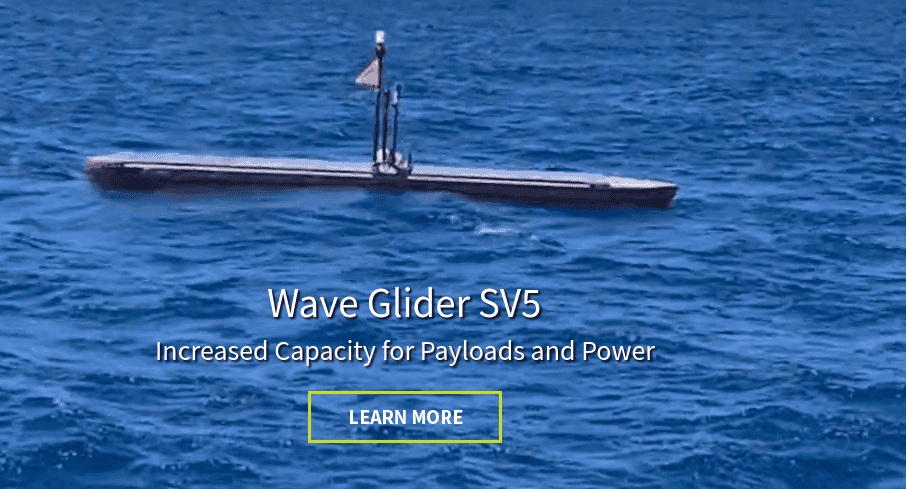
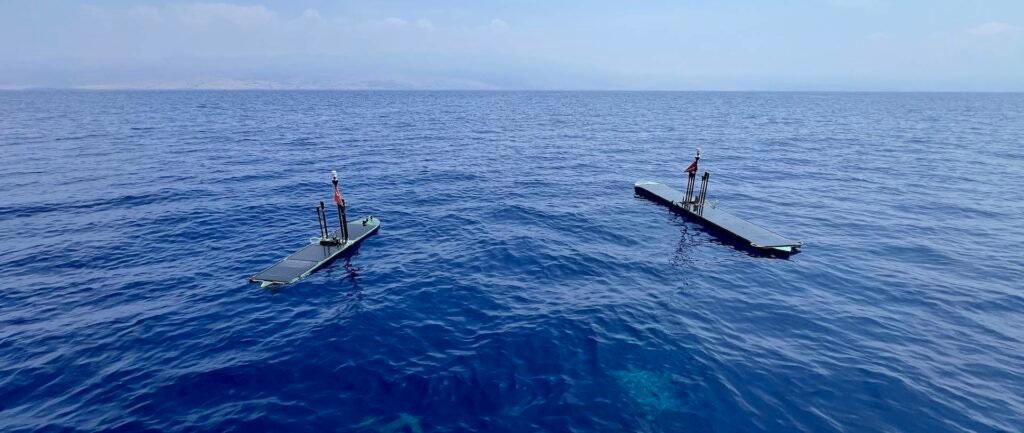
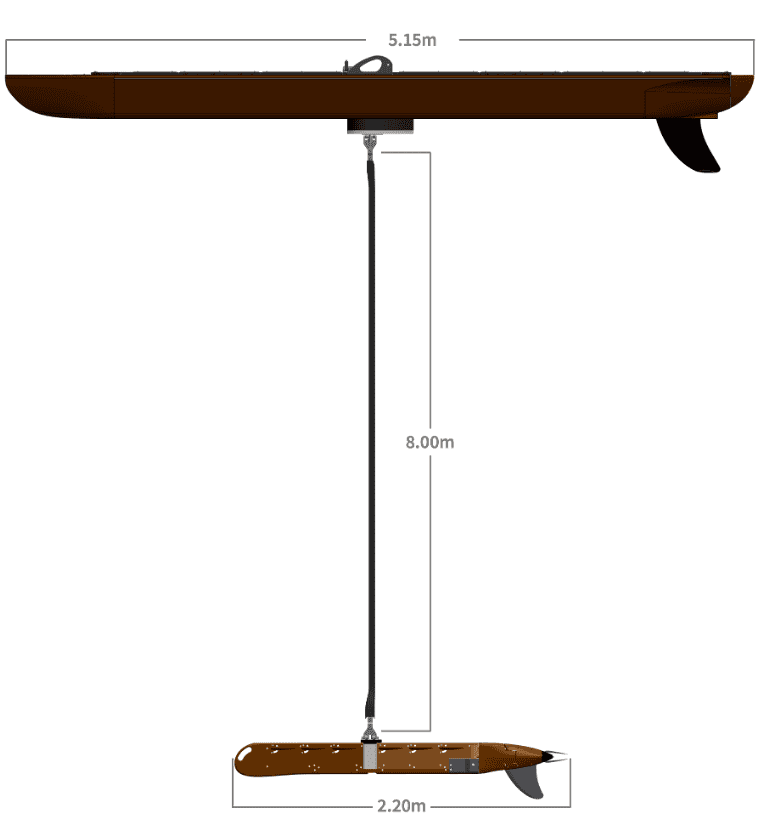
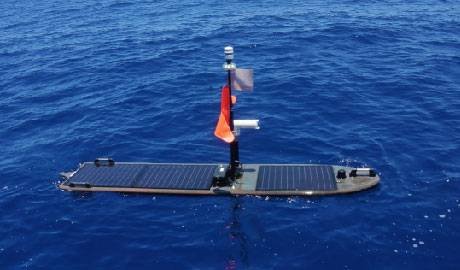
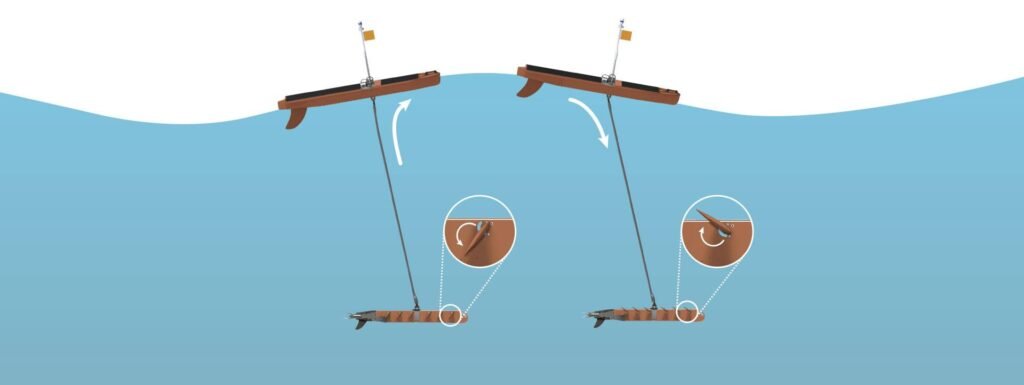
The Wave Glider features a unique two-part architecture: a surface float equipped with solar panels and payload bays, connected via a tether (umbilical) to a submerged “sub” or glider section with articulated fins. Wave motion propels the sub, converting vertical wave energy into forward thrust, enabling silent, fuel-free propulsion. Solar power supports onboard electronics, sensors, and communications. Newer models like the SV3 include an auxiliary electric thruster for enhanced maneuverability and station-keeping. The latest Wave Glider SV5 (launched in 2025) offers a larger platform (over 5 meters long) with increased payload capacity, greater power generation/storage, and support for high-power sensors in demanding environments.
Key advantages include up to 12 months of continuous 24/7 operation, real-time data transmission via satellite, cellular, or other links, and the ability to act as a communications gateway linking subsea assets to space-based systems. The open and extensible platform supports modular payloads for a wide variety of missions, including environmental monitoring (oceanography, climate, marine life), defense and security (surveillance, anti-submarine warfare support, maritime domain awareness), offshore energy operations, and scientific research such as seafloor geodesy.
Wave Gliders excel at persistent data collection above and below the surface, integrating sensors for meteorology, oceanography, acoustics, and more. They reduce costs and risks compared to crewed vessels while enabling scalable fleet operations for broader coverage. Customers include NOAA, research institutions, defense agencies, and commercial operators. The company also provides mission services such as planning, launch/recovery, piloting, and maintenance.
Liquid Robotics emphasizes sustainability, safety, and the vision of a “Digital Ocean” — a networked ecosystem of sensors, uncrewed systems, and satellites for continuous ocean intelligence. Their technology bridges the gap in ocean observation, supporting critical needs in climate understanding, resource management, and maritime security.

Map
Sorry, no records were found. Please adjust your search criteria and try again.
Sorry, unable to load the Maps API.