Profile
KinderLab Robotics is a Waltham, Massachusetts-based company specializing in screen-free educational robotics for young children. Focused on early childhood and elementary STEAM (Science, Technology, Engineering, Arts, and Math) learning, the company develops hands-on robot kits that make coding, engineering, and creative problem-solving accessible and playful without any tablets or computers. Founded in 2013 by Dr. Marina Umaschi Bers, a leading researcher in educational technology from the MIT Media Lab and Boston College, and Mitch Rosenberg, a robotics industry veteran from companies including Kiva Systems and Rethink Robotics, KinderLab Robotics translates decades of academic research into practical classroom and home tools.
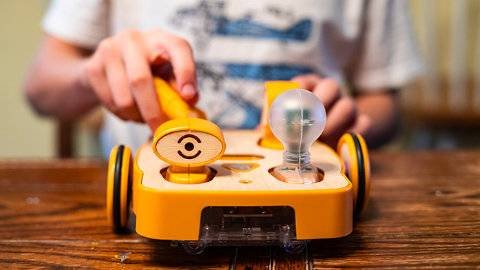
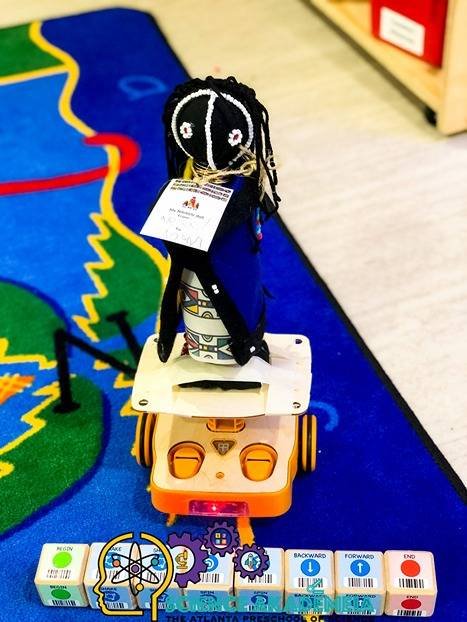
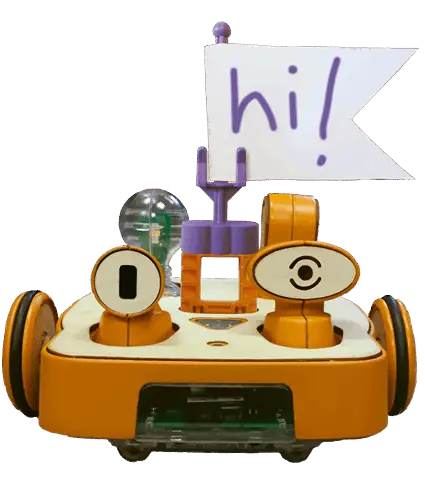
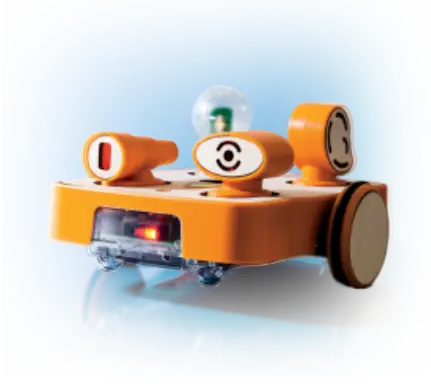
The company’s flagship and only main robot product line is KIBO, a durable wooden robot platform designed for PreK through fifth-grade students. Unlike tablet-based or app-controlled robots, KIBO uses tangible wooden programming blocks with barcodes. Children scan the blocks in sequence with the robot’s built-in scanner to create programs that control movement, lights, sounds, sensors, and more. This screen-free approach fosters physical engagement, trial-and-error learning, and collaboration while teaching foundational concepts such as sequencing, loops, conditionals, and cause-and-effect.
KIBO kits scale in complexity across four main models:
- KIBO 10 offers a basic introduction with core motion commands and a few sensors.
- KIBO 15 and KIBO 18 add advanced sensors (light, sound, distance), conditional programming (“if-then” logic), and more output options.
- KIBO 21, the most complete kit, includes sound recording and playback plus an expression module for visual and audio storytelling.
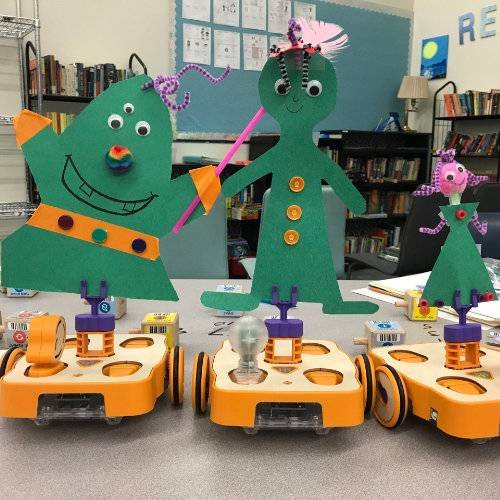
All robots feature two wheels and motors, with support for attaching art platforms. Children decorate the robot with crafts, markers, or building bricks (via optional extension sets) to turn it into anything from storybook characters to science-themed vehicles. Extension sets further expand capabilities with additional sensors, modules, Lego-compatible bricks, and art accessories.
KinderLab Robotics pairs its hardware with extensive, standards-aligned curricula. “Growing with KIBO” targets PreK–2nd grade with approximately 60 hours of lessons, while the newer “Exploring with KIBO” provides another 60 hours for grades 3–5. Additional resources include an AI-focused unit called “Thinking with KIBO,” literacy and arts integration activities, engineering journals, and assessment tools. Over 200 hours of curriculum are available across subjects. Professional development, classroom packages (bundling multiple robots, curricula, and training), and a Home Edition further support different environments.
Backed by more than 20 years of research and multiple NSF grants, KIBO has reached 70+ countries and thousands of classrooms. Studies highlight gains in computational thinking, creativity, persistence, social-emotional skills, and engagement across diverse learners.
Map
Sorry, no records were found. Please adjust your search criteria and try again.
Sorry, unable to load the Maps API.