Profile
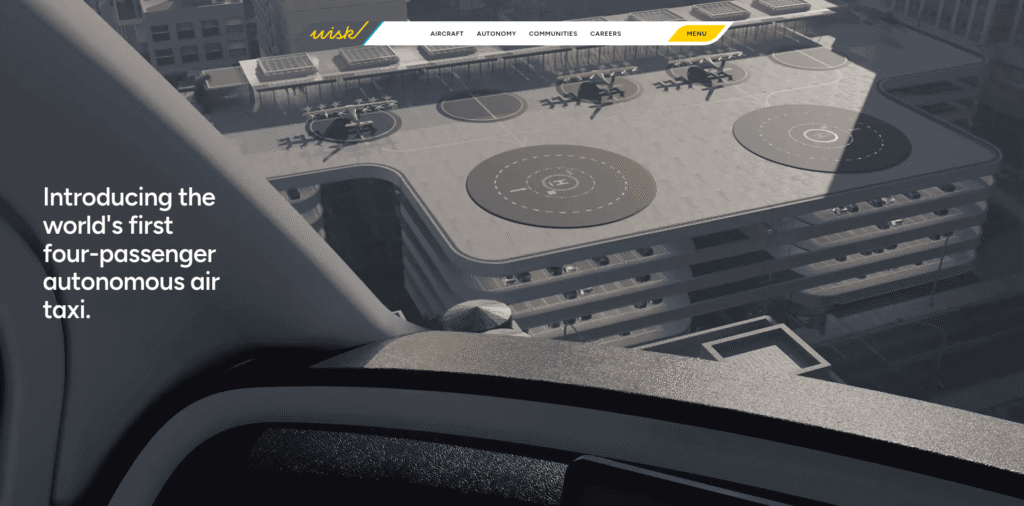
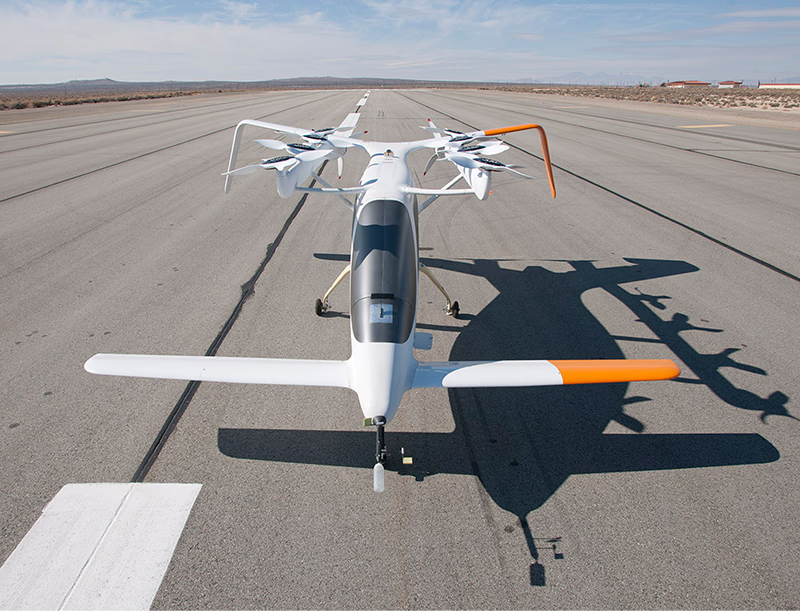
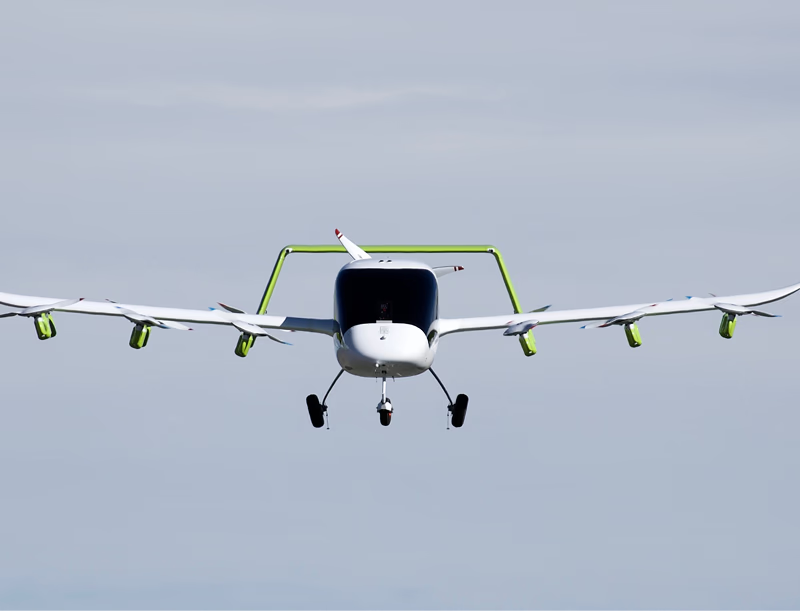
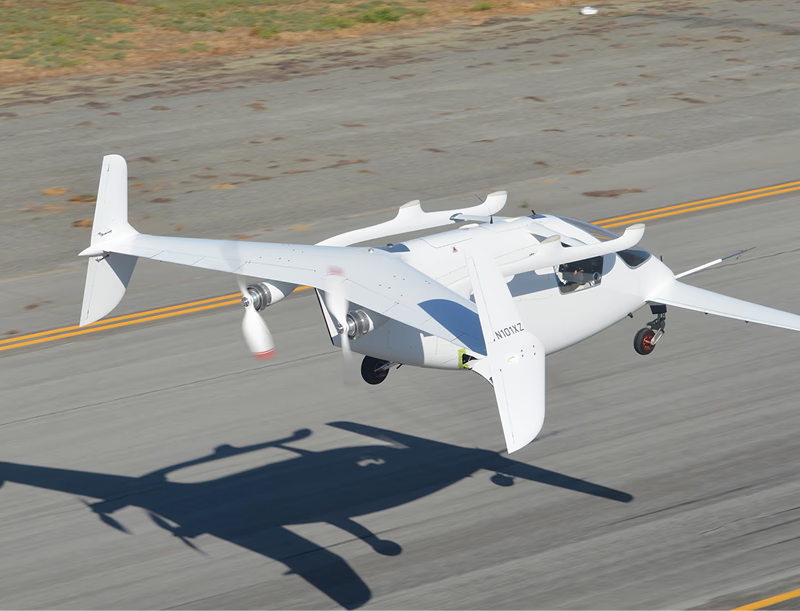
Wisk is a wholly owned subsidiary of Boeing focused on developing and commercializing autonomous electric vertical takeoff and landing (eVTOL) air taxis. Since its technology roots began in 2010, the company has evolved through six generations of aircraft prototypes and conducted more than 1,750 safe test flights. Wisk designs self-flying aircraft that use advanced autonomy to eliminate the need for an onboard pilot, relying instead on ground-based human oversight for supervision and safety. The goal is to create a scalable, accessible form of urban and regional air mobility that bypasses road congestion, reduces emissions, and meets or exceeds commercial aviation safety standards.
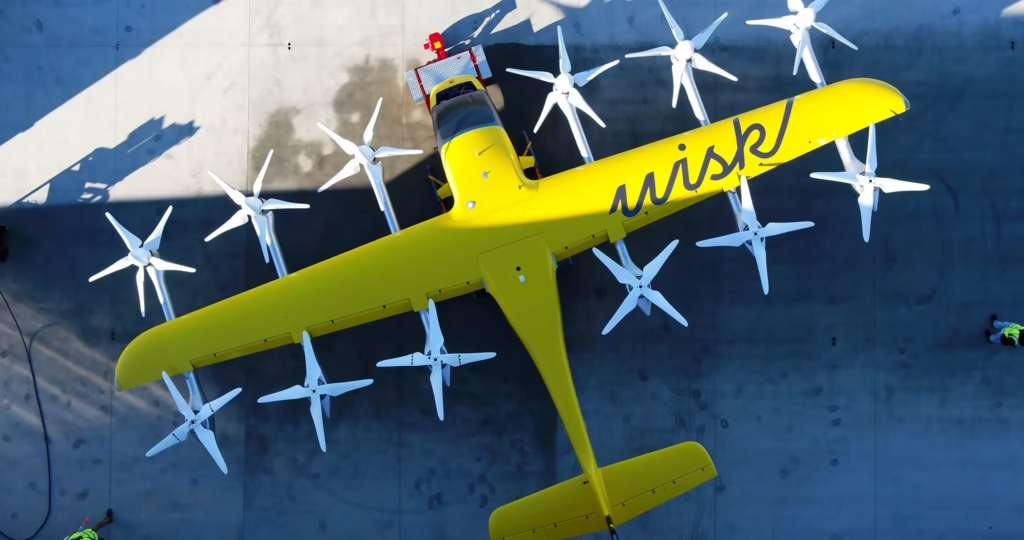
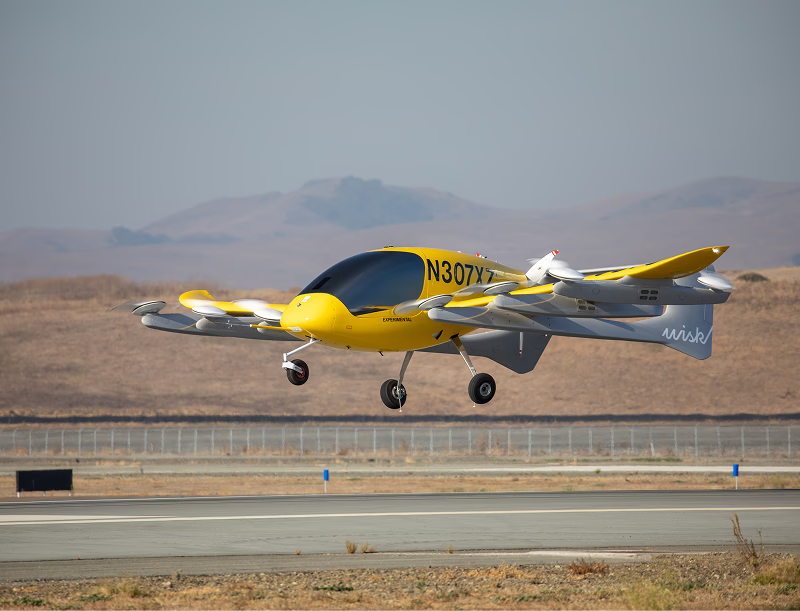
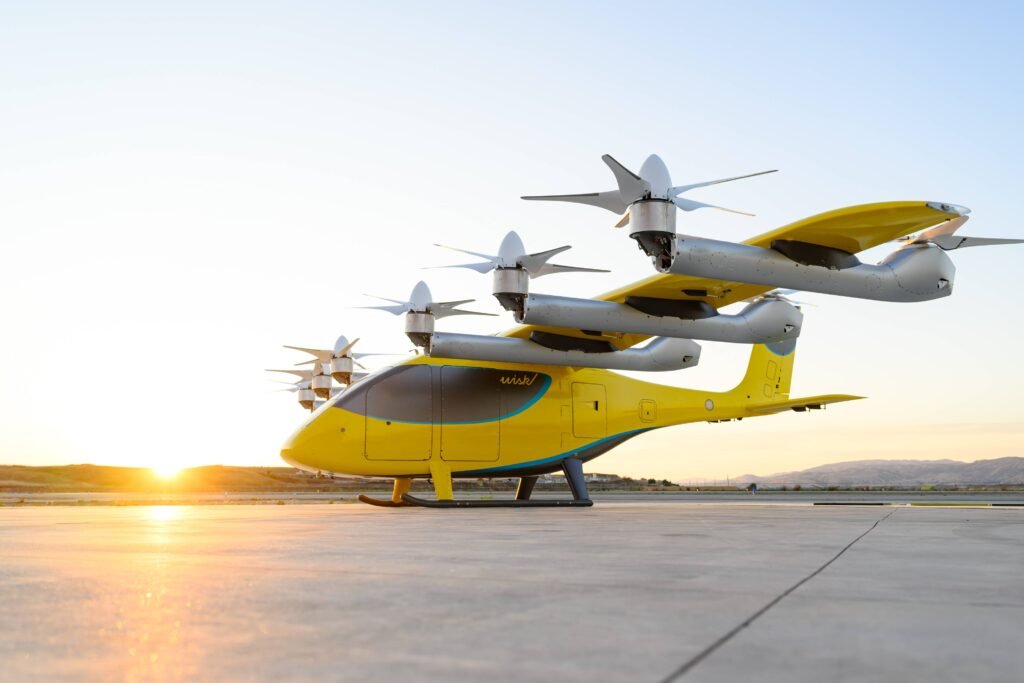
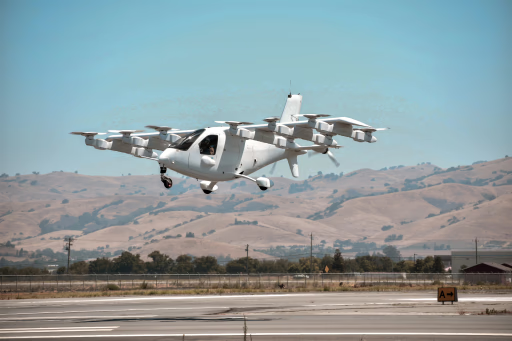
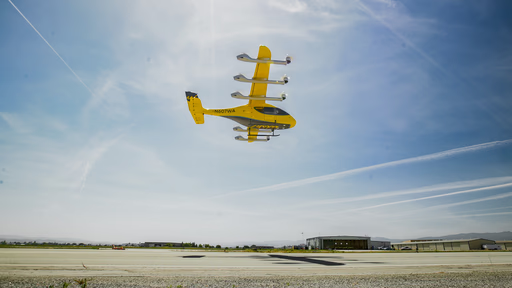
The company’s core robot-based products are its fully autonomous eVTOL aircraft. The current flagship is the Gen 6, a four-passenger, all-electric aircraft with a 50-foot wingspan and lift-plus-cruise configuration. It uses a proprietary 12-propeller design for vertical takeoff and landing combined with efficient wing-borne cruise flight. The aircraft is engineered for real-world operations with a target range of approximately 90 miles while carrying passengers and luggage. It includes extensive redundancy across critical systems, simplified mechanics with fewer moving parts, and advanced sensor suites for obstacle detection, navigation, and collision avoidance. Wisk recently flew its second Gen 6 aircraft, expanding its flight test capacity to accelerate validation of the full flight envelope, including transitions between hover and forward flight.
Safety is built into every layer. The system employs triple-redundant flight-critical components, high-fidelity simulation testing, surrogate aircraft flights, and iterative design processes. While the aircraft flies autonomously using on-board intelligence, a remote operations team provides layered oversight. This includes a Fleet Manager who ensures aircraft readiness, a Multi-Vehicle Supervisor who coordinates with air traffic control and monitors flights, ground crews for boarding, and a Hospitality Manager for passenger comfort. Wisk refers to this model as “autonomous flight with human oversight,” which it believes offers the best balance of safety, scalability, and operational efficiency by removing pilot-related limitations such as availability and cost.
Earlier generations (Gen 1 through Gen 5) served as stepping stones. Gen 1 proved basic transition flight concepts, while later versions refined autonomy architectures, sensors, and infrastructure elements such as airspace integration. Many lessons from these platforms directly informed Gen 6, including higher payload capacity, improved accessibility for passengers with disabilities, and stronger certification readiness. The aircraft are being tested in locations including Hollister, California, with active programs planned in Houston, Texas (in partnership with the Texas Department of Transportation under a White House-selected initiative) and Brisbane, Australia.
Beyond the hardware, Wisk develops the supporting autonomy software and operations ecosystem, collaborating with NASA, the FAA, and regulators on airspace design, procedures, and certification pathways. The company positions its solution as a practical path to everyday air travel that is safer than driving in many scenarios, more sustainable, and capable of creating new jobs in advanced air mobility infrastructure. As a Boeing subsidiary, Wisk benefits from deep aerospace manufacturing, testing, and certification expertise while operating independently. Its progress toward FAA type certification, production certification, and operational approval represents a major step toward the first commercial autonomous passenger-carrying air taxi service in the United States.
Map
Sorry, no records were found. Please adjust your search criteria and try again.
Sorry, unable to load the Maps API.