Profile
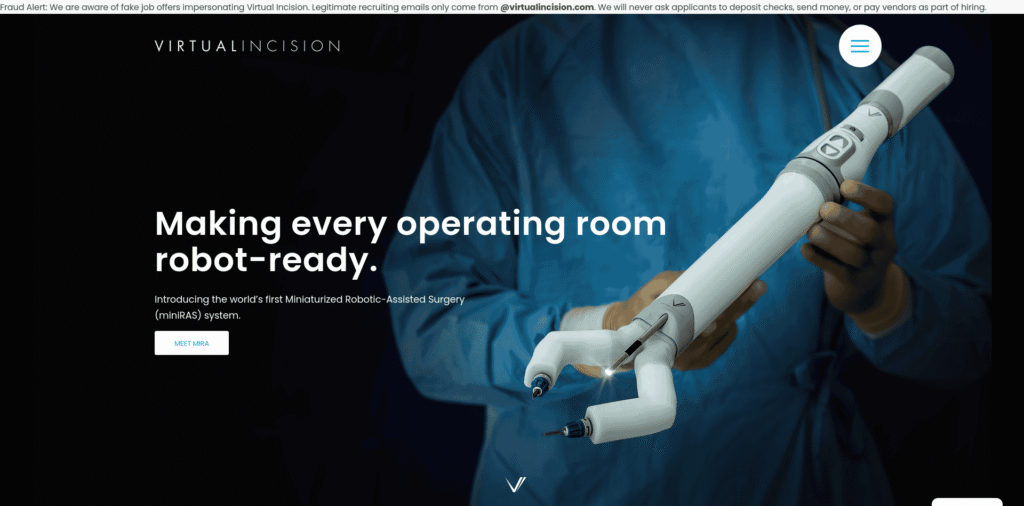
Virtual Incision is a medical robotics company founded in 2006 and headquartered in Lincoln, Nebraska. The company is pioneering a new category of surgical robotics with its miniaturized robotic-assisted surgery (miniRAS) platform. Unlike traditional large, cart-based “mainframe” robotic systems that require dedicated operating rooms, specialized staff, extensive draping, and long setup times, Virtual Incision has developed a compact, portable, and highly accessible alternative. Its mission is to make every operating room robot-ready by dramatically simplifying logistics, reducing costs, and expanding access to the proven benefits of robotic-assisted surgery (RAS) — including smaller incisions, fewer complications, shorter hospital stays, and faster recovery. With more than 200 patents and patent applications, Virtual Incision is transforming how hospitals and surgeons adopt advanced robotic technology across multiple specialties.
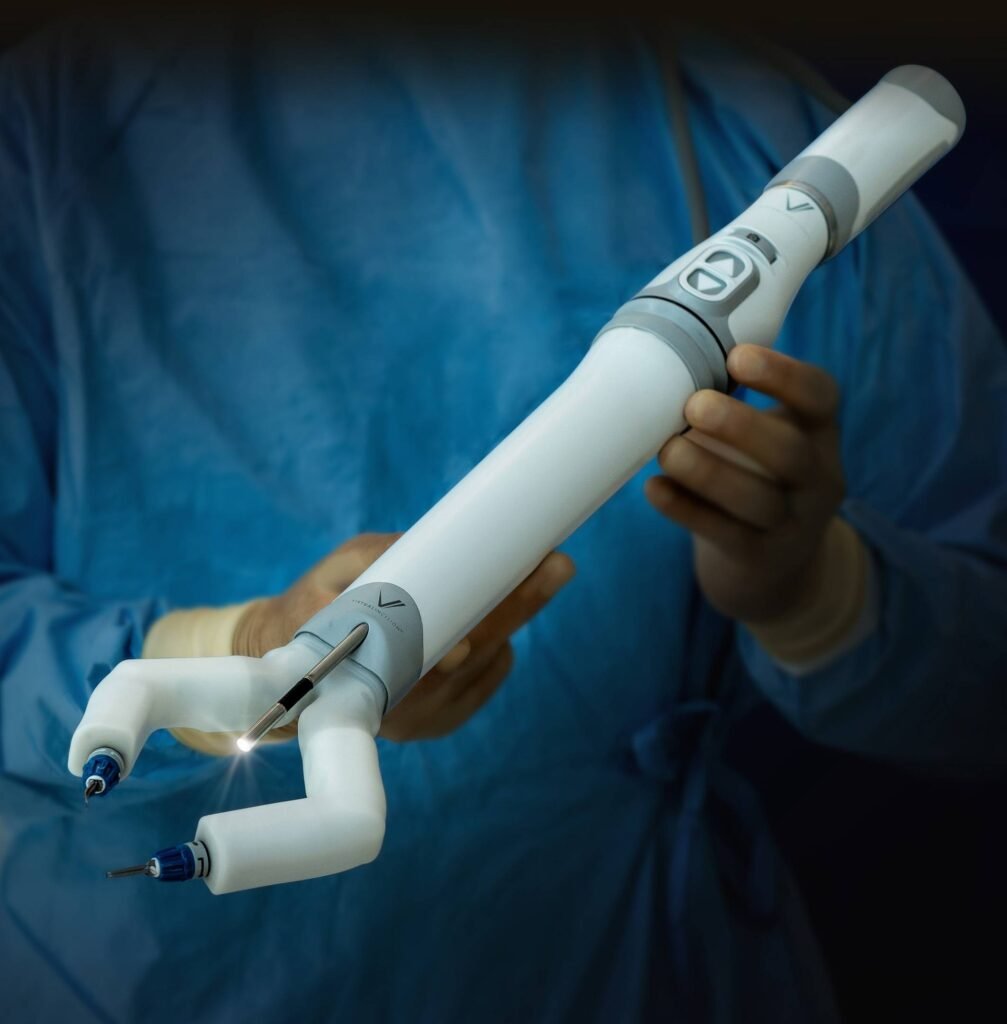
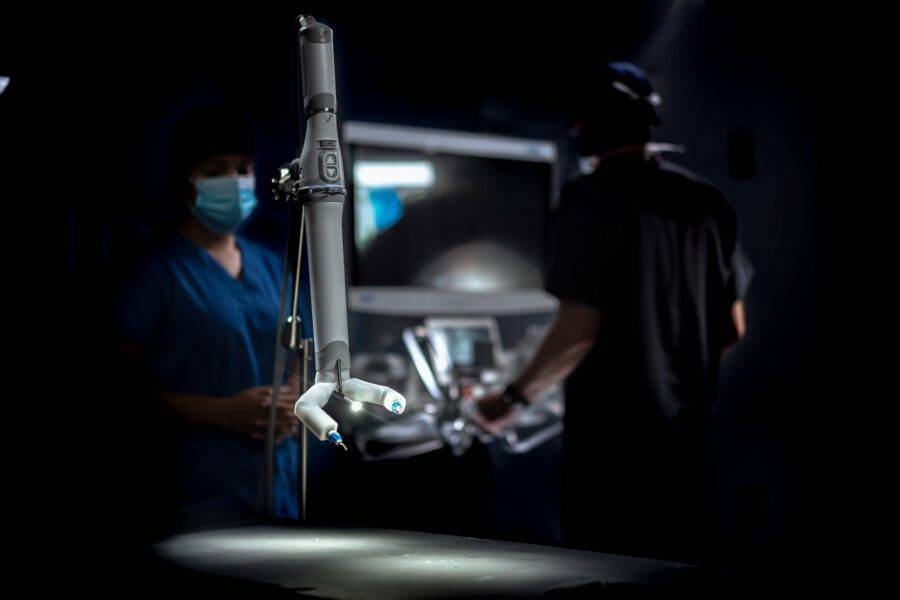
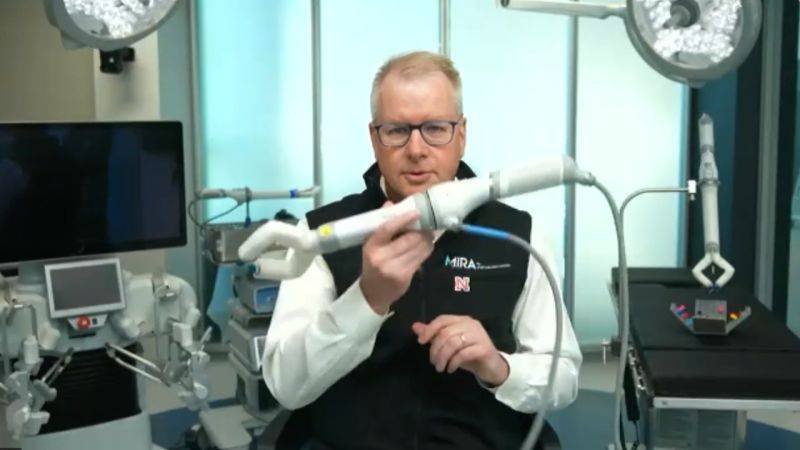
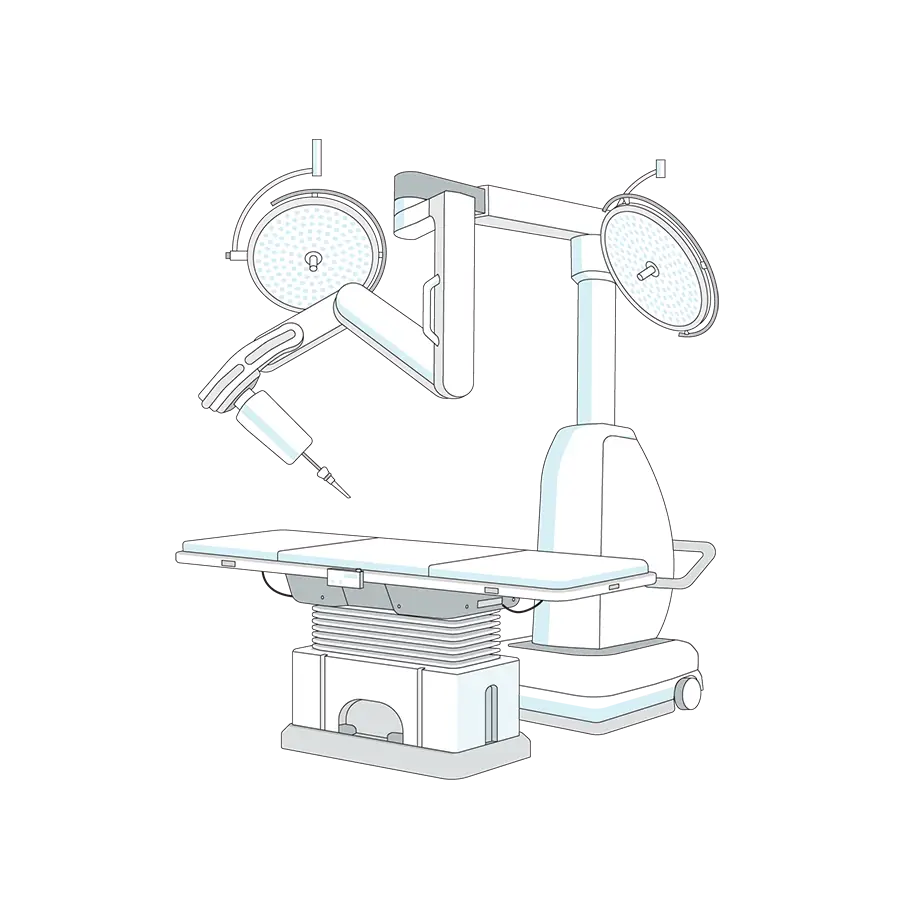
The central robot-based product from Virtual Incision is the MIRA Surgical System (also referred to as the MIRA minibot). MIRA is the world’s first FDA-authorized miniaturized robotic-assisted surgery device, having received marketing authorization in February 2024 through the agency’s rigorous De Novo pathway for use in adult colectomy procedures. The core robotic component weighs only about two pounds (less than one kilogram) and arrives sterile in a compact tray. This “tray-to-table” design eliminates the need for docking to a large cart or complex draping, enabling setup in minutes rather than the 30–60 minutes typical of mainframe systems. The minibot is inserted through a single small incision and provides internal triangulation with two fully articulated, wristed instrument arms and a flexible-tipped camera. These robotic arms deliver precise, surgeon-controlled movements for grasping, retracting, dissecting, and maintaining hemostasis with electrocautery. The system offers multi-quadrant abdominal access from a single position, internal reach of approximately 3,500 cm³, and 180-degree arm articulation with a 70-degree camera cone, allowing complex maneuvers without external collisions.
MIRA’s companion components include a portable surgeon console and a simple companion cart. The console features familiar hand controls and foot pedals to minimize the learning curve, an upright ergonomic seating position, a touchscreen display showing the robot’s 3D orientation, and excellent situational awareness of the patient, staff, and operating room. Only two cables are required — one for the camera and one for the minibot — making the entire system streamlined and easy to move between cases or ORs. The design is sustainable, using standard sterilization protocols and minimizing single-use waste. MIRA can function as a standalone RAS platform or as a complementary tool alongside existing mainframe robots, giving hospitals flexibility without major infrastructure investment. Recent clinical milestones include the successful completion of the first hysterectomy using the system, ongoing studies in gynecology and general surgery, and early exploration of next-generation M2 platforms with enhanced features.
Virtual Incision is also advancing remote and AI-enhanced capabilities. In 2024, the company collaborated on the first U.S.-based remote robotic-assisted surgery demonstration with Sovato, City of Hope, and the University of Illinois Chicago. It is actively exploring NVIDIA Isaac for Healthcare and Cosmos platforms to create digital twins, realistic surgical simulations, and accelerated AI-driven development for future iterations of MIRA. These efforts aim to improve training, safety, and performance while shortening the product development cycle. The company’s technology originated from University of Nebraska research and has been tested in challenging environments, including NASA-related studies for potential space applications. Commercialization is underway through a First Access Program at select U.S. hospitals, with plans to expand indications into urology, gynecology, and additional soft-tissue procedures.
By focusing on miniaturization, simplicity, and accessibility, Virtual Incision addresses the reality that roughly 90% of U.S. operating rooms still lack robotic capabilities due to cost, space, and workflow barriers. Its robot-based systems are designed to increase procedure volume, improve patient outcomes, reduce overall healthcare costs, and bring the precision of robotics to community hospitals and ambulatory settings. With strong clinical data from its IDE study, growing commercial traction, and partnerships with leading technology and healthcare organizations, Virtual Incision is positioned to accelerate the widespread adoption of robotic-assisted surgery worldwide.

Map
Sorry, no records were found. Please adjust your search criteria and try again.
Sorry, unable to load the Maps API.