Profile
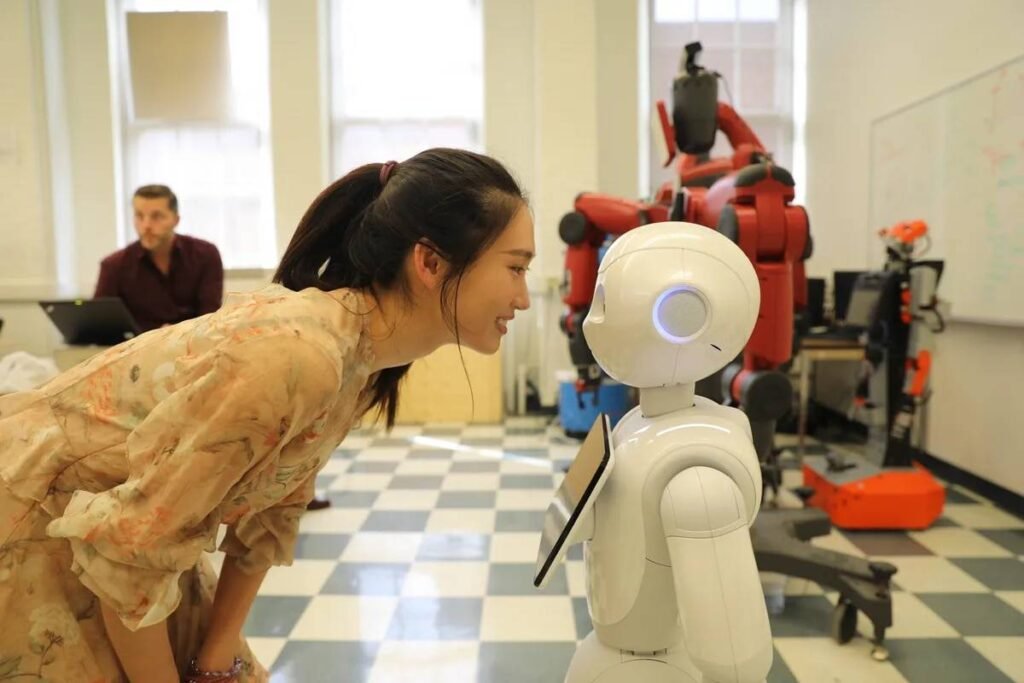
University of Toronto Robotics Institute is Canada’s leading hub for robotics research and innovation, headquartered at the University of Toronto. Established as a multidisciplinary institute, it brings together faculty, students, and researchers from across engineering, computer science, and related fields to advance AI-robotics technologies. It is recognized as the largest and most diversified robotics program in Canada, located in downtown Toronto within the Myhal Centre for Engineering Innovation & Entrepreneurship.
The institute fosters collaboration across key research areas, including Field Robotics, Healthcare Robotics, and Advanced Manufacturing. In field robotics, researchers like Professors Tim Barfoot (Autonomous Space Robotics Lab), Steve Waslander (TRAIL Lab), and Jonathan Kelly (STARS Lab) develop technologies for autonomous navigation in unknown environments, computer vision for perception, and robust “power-on-and-go” systems suitable for space, autonomous vehicles, and real-world deployment.
Healthcare robotics features pioneering work on micro- and nano-robots for cell surgery (Professor Yu Sun), assistive and social robots for aging populations and patient care (Professor Goldie Nejat), robotic gloves for stroke rehabilitation (Professor Alex Mihailidis), and soft robotics with stretchable e-skin (Professor Xinyu Liu). In advanced manufacturing, projects explore smart materials (Professor Hani Naguib), microrobotics for confined spaces (Professor Eric Diller), continuum/snake-like robots (Professor Jessica Burgner-Kahrs), and automated inspection systems.
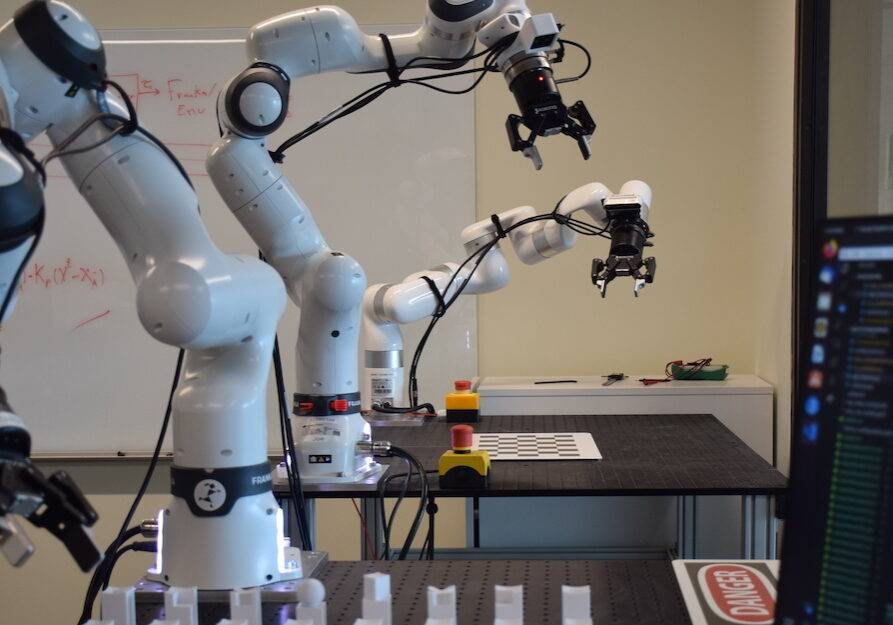
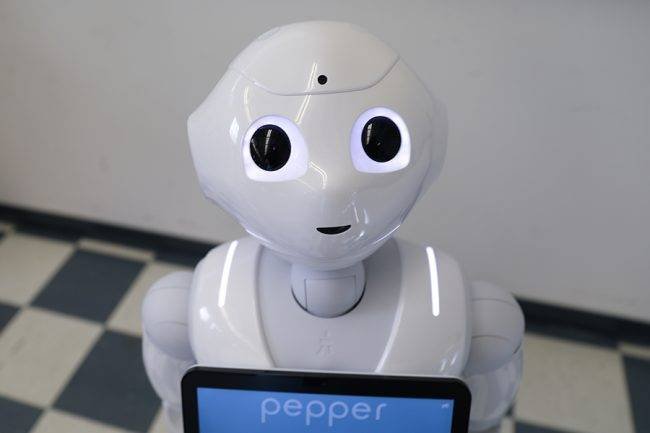
While not a commercial manufacturer, the University of Toronto Robotics Institute develops foundational robot-based technologies, prototypes, and algorithms that influence industry. Labs focus on dexterous manipulation, human-robot interaction, swarm robotics, continuum mechanisms, and AI integration for safer, more intelligent systems. The institute hosts events like the Toronto Robotics Conference, seminar series, and outreach initiatives, while collaborating with industry partners to translate research into applications in healthcare, space exploration, manufacturing, and autonomous systems. It emphasizes innovation, talent development, and Canada’s role in global AI-robotics leadership.
Map
Sorry, no records were found. Please adjust your search criteria and try again.
Sorry, unable to load the Maps API.