Profile
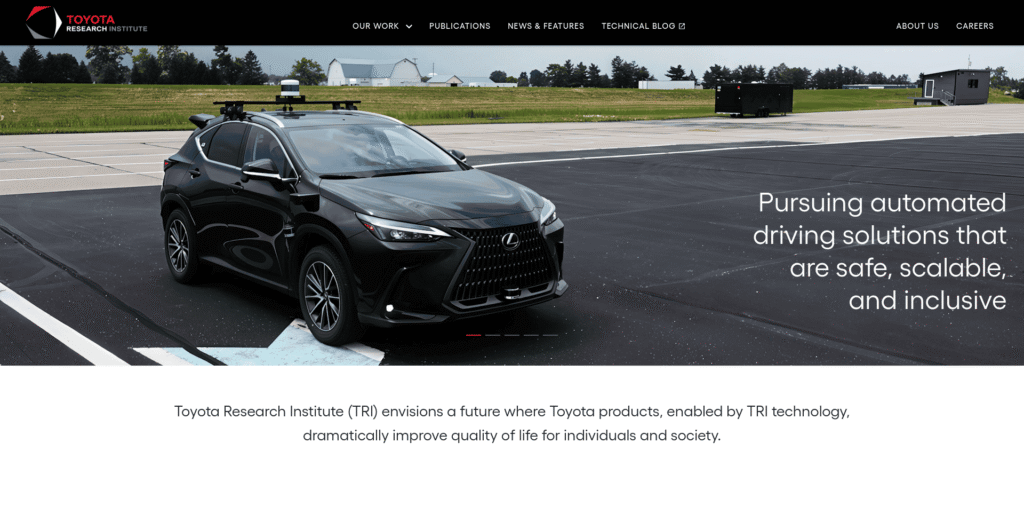
Toyota Research Institute (TRI) is a research and development subsidiary of Toyota Motor Corporation, established in 2016 with headquarters in Los Altos, California. TRI focuses on advancing artificial intelligence, robotics, automated driving, energy and materials science, and human-centered technologies to amplify human capabilities and improve quality of life. Its mission is to create new tools and capabilities that enhance the human condition, while its vision emphasizes Toyota products enabled by TRI technology dramatically improving society.
TRI operates across multiple research pillars: Automated Driving, Human-Centered AI, Energy & Materials, and Robotics. The institute collaborates with leading academic institutions like Stanford and MIT and maintains a strong emphasis on translating fundamental research into practical innovations for Toyota’s future mobility solutions.
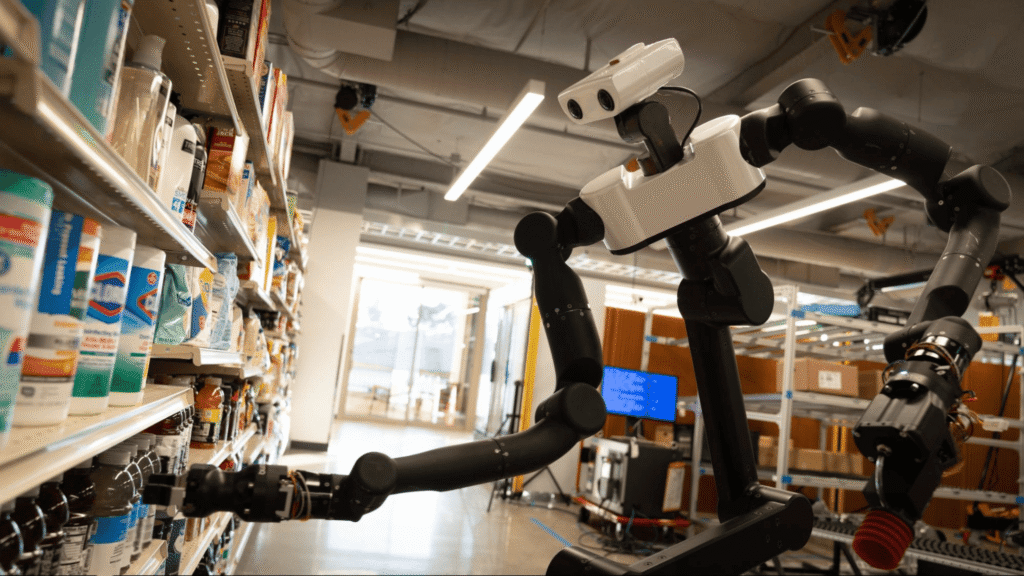
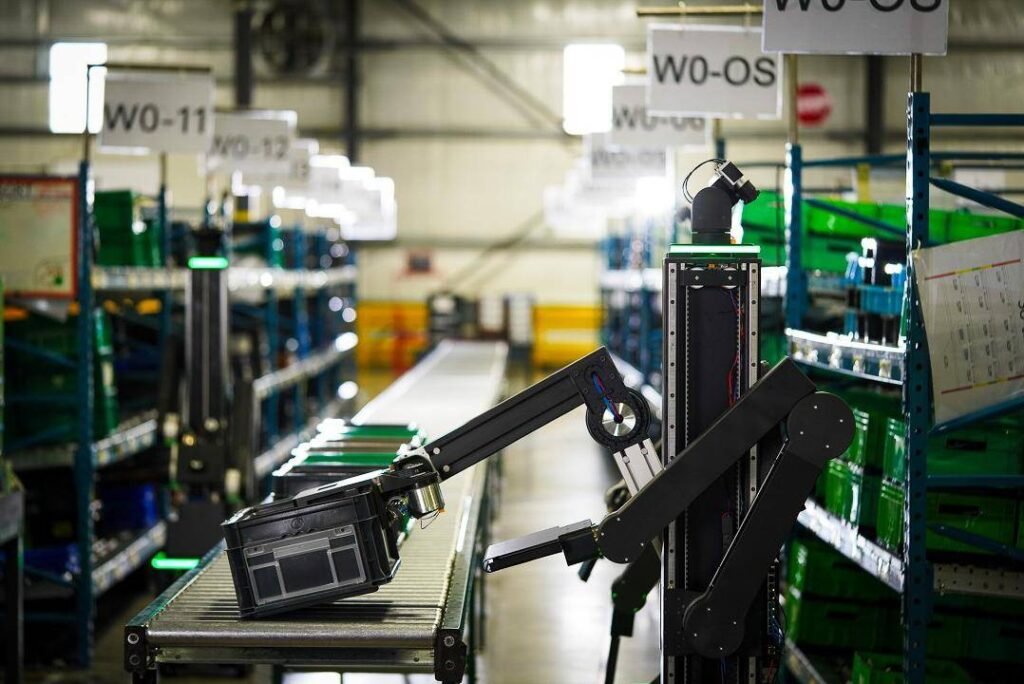
In robotics, TRI is actively developing technologies to create a future where robotics amplifies the human experience. This includes advanced humanoid robotics research, focusing on improving dexterity, intelligence, and real-world applicability. Key efforts involve large behavior models (LBMs) for multitask dexterous manipulation, vision-language-action (VLA) models, and failure detection systems like SAFE for safe robot operation. TRI explores robot learning from any images (RoLA framework), GPU-accelerated motion planning, and generating synthetic robotic data for training. These technologies aim to support applications in caregiving, manufacturing, and mobility, particularly addressing aging populations and labor shortages.
TRI’s robotics work integrates AI for better decision-making, perception, and interaction. Projects emphasize safety, generalization across tasks, and human-robot collaboration. While TRI is primarily a research organization rather than a commercial product manufacturer, its innovations feed into Toyota’s broader ecosystem, including potential integration into vehicles, home robots, and industrial applications. Recent advancements highlight progress in humanoid “brains” (AI capabilities) catching up with hardware, enabling more capable and reliable robotic systems.
The institute also contributes to open-source robotics initiatives and publishes extensively on topics ranging from robot manipulation to energy materials that could power future robotic platforms. With a collaborative, interdisciplinary culture, TRI continues to push boundaries in creating technology that serves humanity.
Map
Sorry, no records were found. Please adjust your search criteria and try again.
Sorry, unable to load the Maps API.