Profile
Relativity Space is an American aerospace manufacturing and launch services company founded in 2015 and headquartered in Long Beach, California. The company is pioneering a new approach to space access by leveraging additive manufacturing (3D printing), artificial intelligence, and autonomous robotics to dramatically simplify rocket production, reduce costs, and accelerate development timelines. With a long-term vision of building humanity’s multiplanetary future — including an industrial base on Mars — Relativity aims to make space more accessible for science, exploration, national security, and commercial missions. Under the leadership of former Google CEO Eric Schmidt (who joined as CEO in 2025), the company has raised substantial funding (including a $650 million Series E round) to scale production of its fully reusable, medium-to-heavy-lift rocket, Terran R.
Relativity does not sell standalone robots. Instead, it integrates autonomous robotics and AI-driven manufacturing systems throughout its production process. This “software-defined manufacturing” approach allows the company to build rockets with approximately 100x fewer parts than traditional methods and in dramatically shorter timeframes (under 60 days for major structures). Their flagship manufacturing tool is the Stargate series of large-scale metal 3D printers — some of the largest in the world — that use wire arc additive manufacturing to print massive rocket components (including entire engine chambers and vehicle structures) with minimal waste and high structural integrity. These printers work in tandem with fleets of autonomous robotic arms and material handling systems that perform welding, finishing, inspection, and assembly tasks with high precision and repeatability.
Key manufacturing robotics capabilities include:
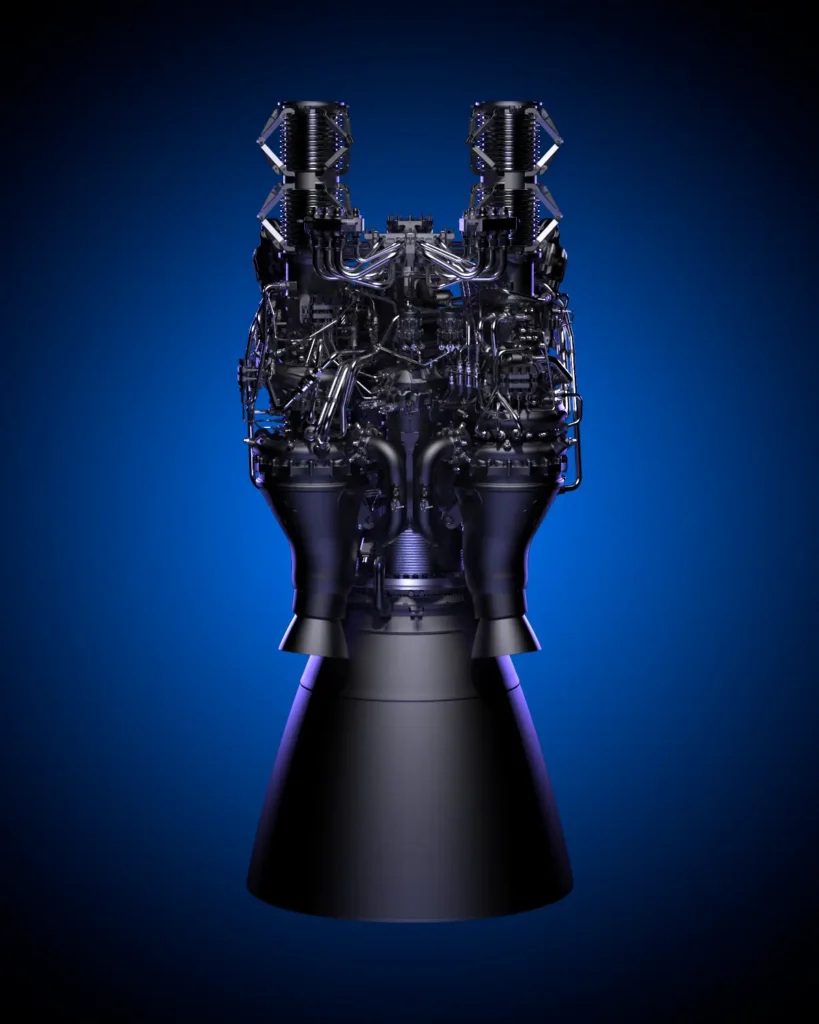
- Stargate Printers: Fourth-generation systems that print large-scale metal structures (e.g., Terran R’s body and engines) using robotic deposition heads. These printers enable rapid iteration and near-zero tooling costs compared to traditional forging or casting.
- Autonomous Robotic Assembly Lines: Robotic arms and mobile platforms that handle welding, machining, quality inspection, and component integration with minimal human intervention. This creates a highly automated, data-driven production environment.
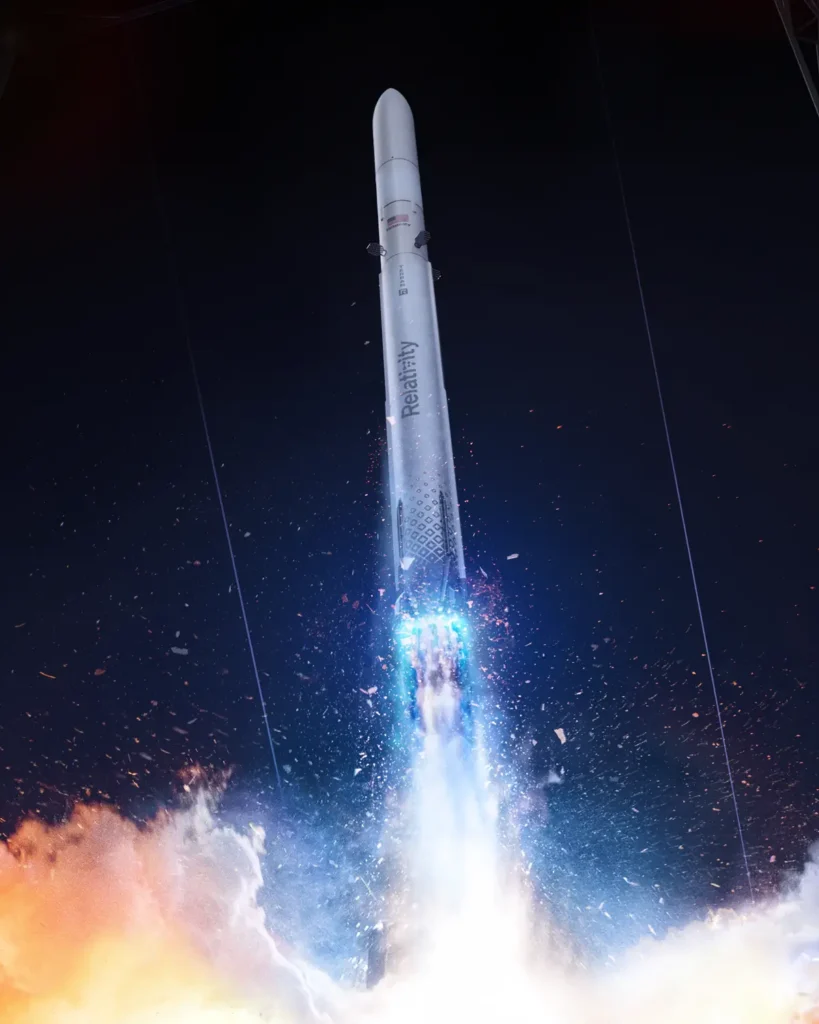
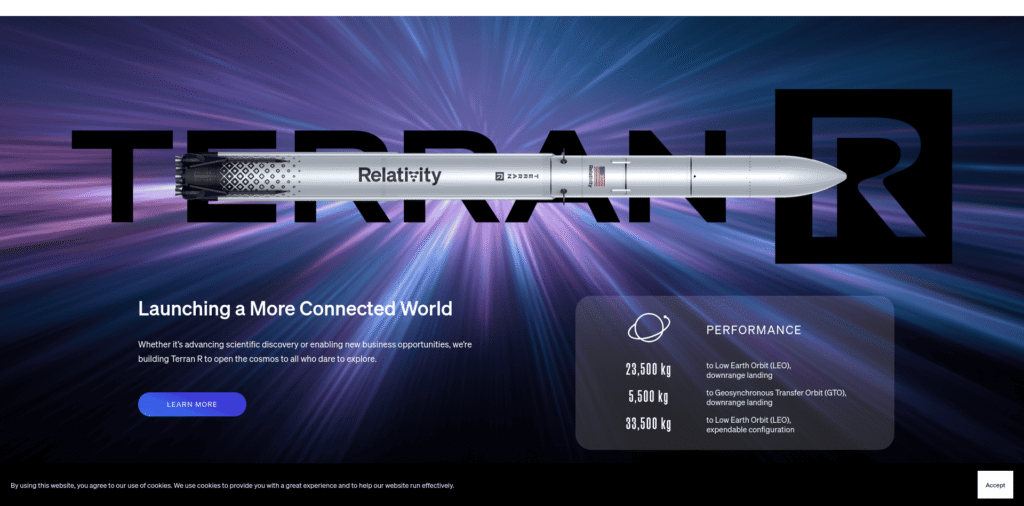
- Terran R Rocket: Their primary launch vehicle (fully reusable, 3D-printed, medium-to-heavy lift). It is designed for high reliability, rapid reusability, and cost efficiency, with first launch targeted for late 2026. The vehicle itself incorporates advanced manufacturing robotics in its construction.
Relativity’s approach has already demonstrated success with Terran 1 (the world’s first 3D-printed rocket to reach space in 2023) and is now scaling for high-cadence operations. The company’s robotics-heavy manufacturing model is a key differentiator, enabling faster innovation cycles and lower costs than legacy aerospace methods. With over 2,200 employees, Relativity continues to push boundaries in additive manufacturing, AI optimization, and autonomous production systems to support both Earth orbit and future Mars missions.
Map
Sorry, no records were found. Please adjust your search criteria and try again.
Sorry, unable to load the Maps API.