Profile
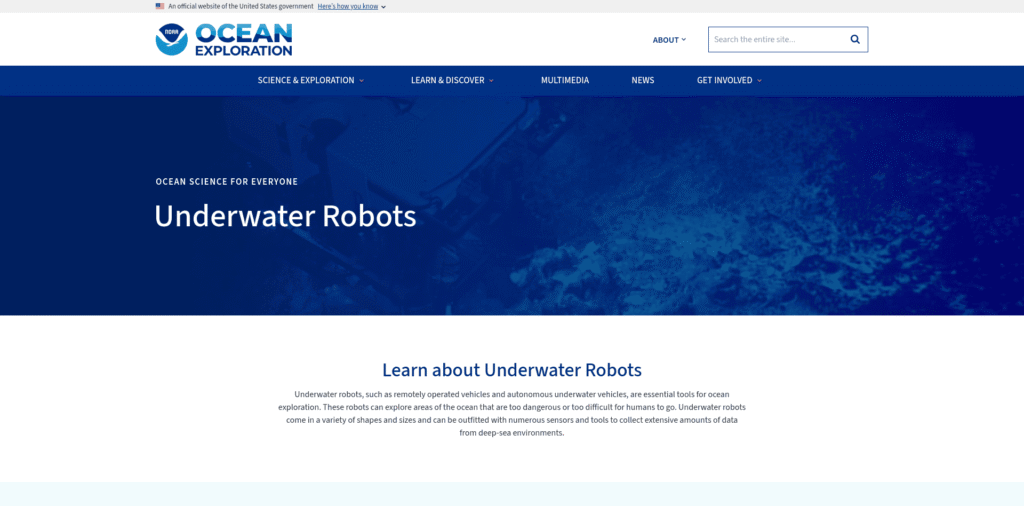
NOAA’s Ocean Explorer program, part of the National Oceanic and Atmospheric Administration, is a leading U.S. government initiative dedicated to advancing ocean science, exploration, and education. Established under the U.S. Department of Commerce, NOAA leverages underwater robotic technologies to enhance understanding of marine environments, including deep-sea ecosystems, climate change impacts, and natural resource management. The education page on underwater robots serves as a comprehensive resource, targeting students, educators, and the public to foster awareness of how robotics revolutionizes oceanography. By showcasing tools like Remotely Operated Vehicles (ROVs) and Autonomous Underwater Vehicles (AUVs), NOAA emphasizes accessible learning through interactive content, such as videos, infographics, and lesson plans, making complex concepts engaging for K-12 and beyond.
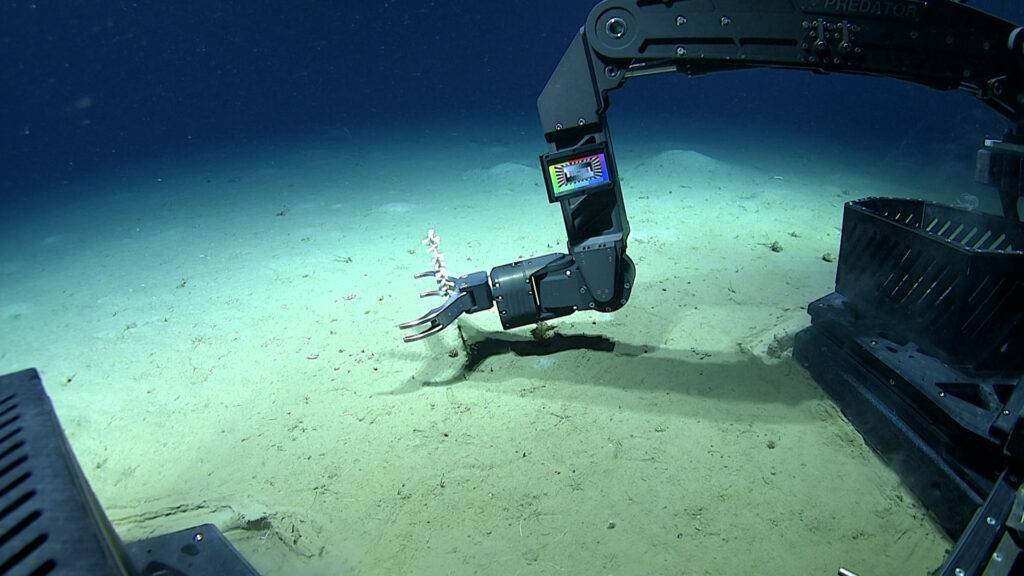
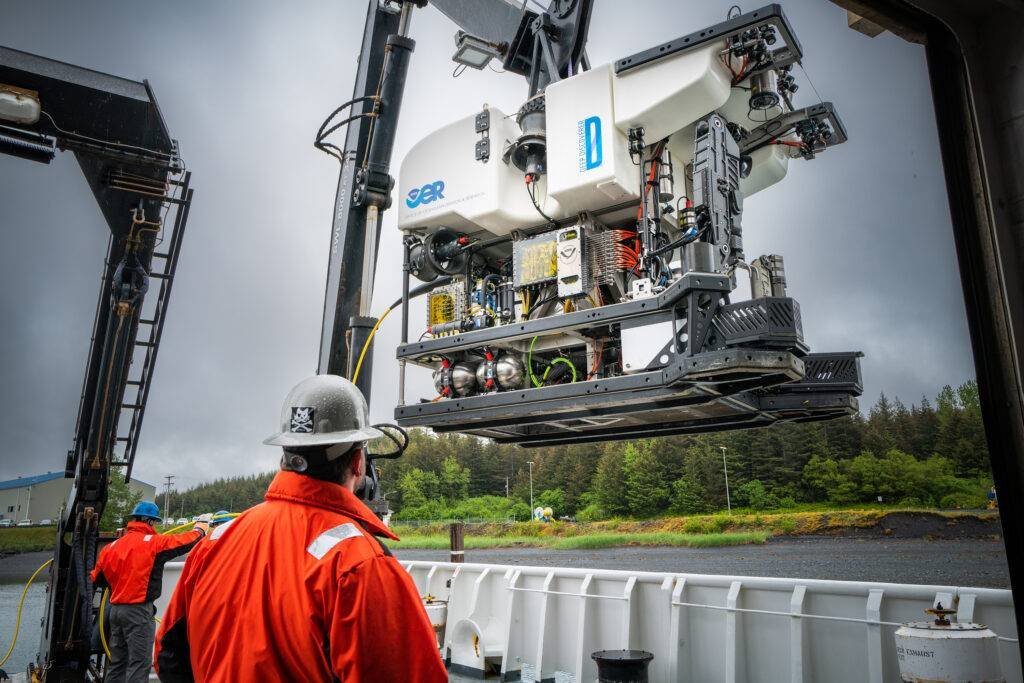
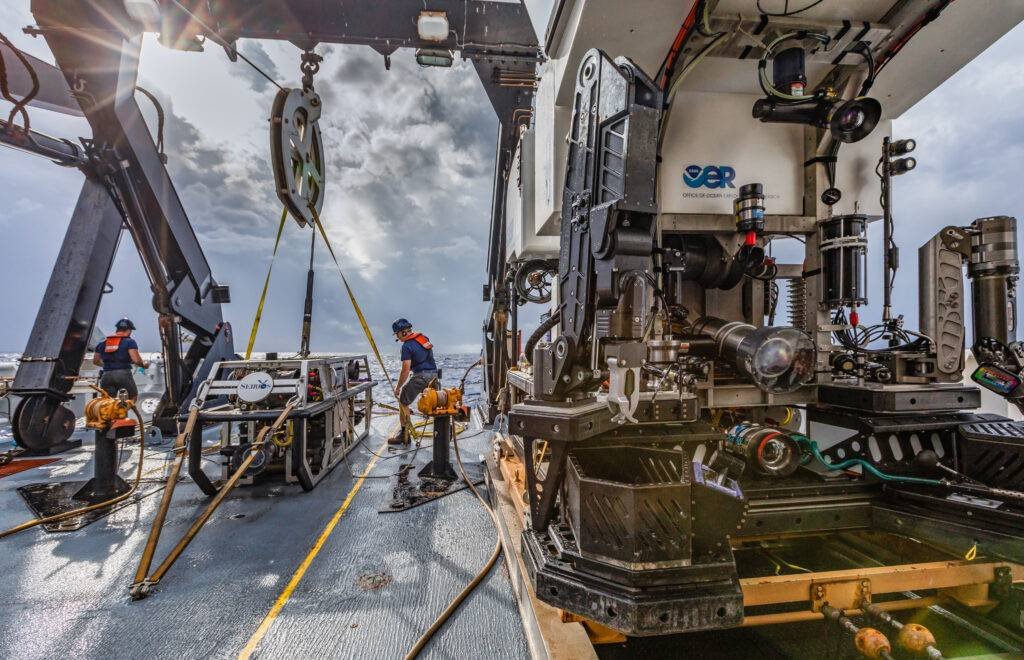
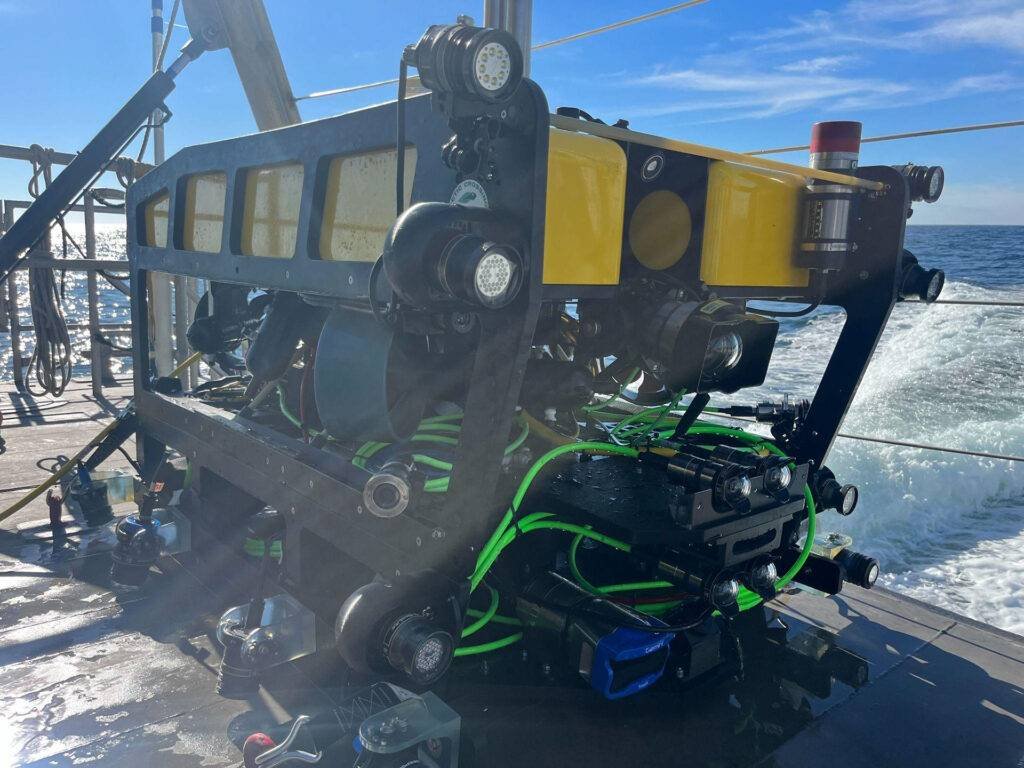
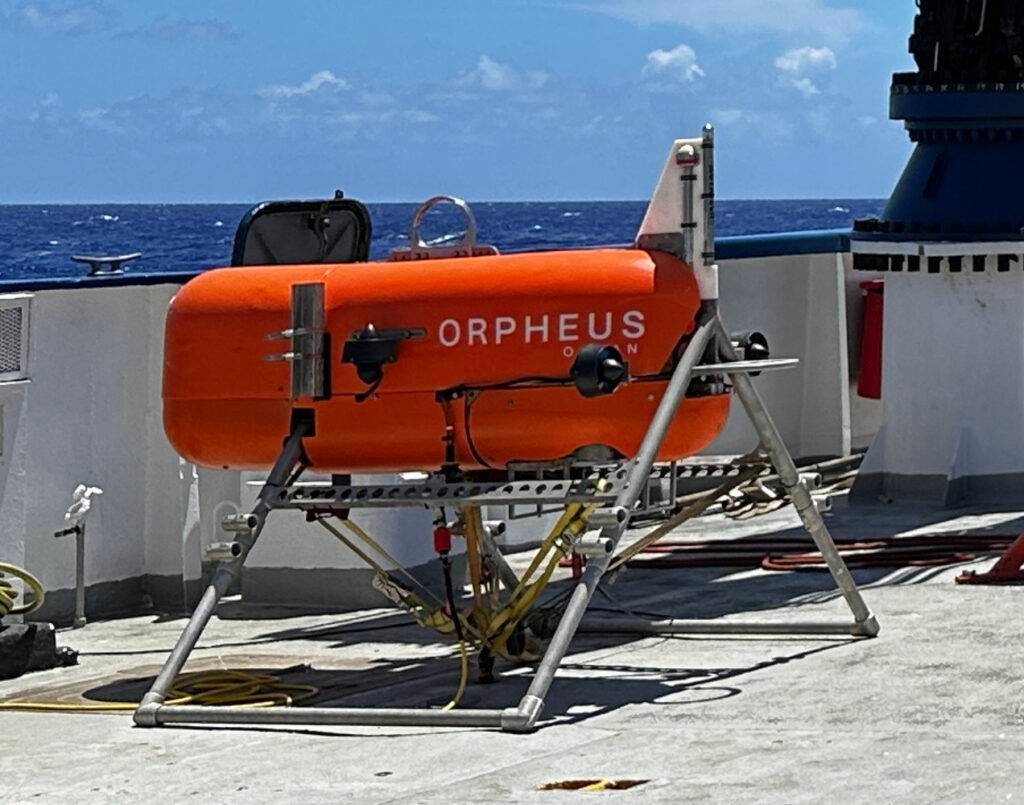
The page highlights various robot-based technologies instrumental in NOAA’s missions. ROVs, like those deployed on NOAA research vessels, are tethered systems equipped with cameras, lights, and manipulators, allowing real-time control from the surface for tasks such as collecting samples, mapping seafloor topography, and inspecting underwater infrastructure. For example, the page describes ROVs used in expeditions to hydrothermal vents or coral reefs, where they help gather data on biodiversity and environmental changes without human risk. AUVs, on the other hand, are untethered and operate independently using pre-programmed paths or AI algorithms for navigation, enabling long-duration surveys in remote areas. NOAA’s Glider AUVs, for instance, can drift with ocean currents while periodically adjusting buoyancy, collecting data on temperature, salinity, and pollutants over vast distances.
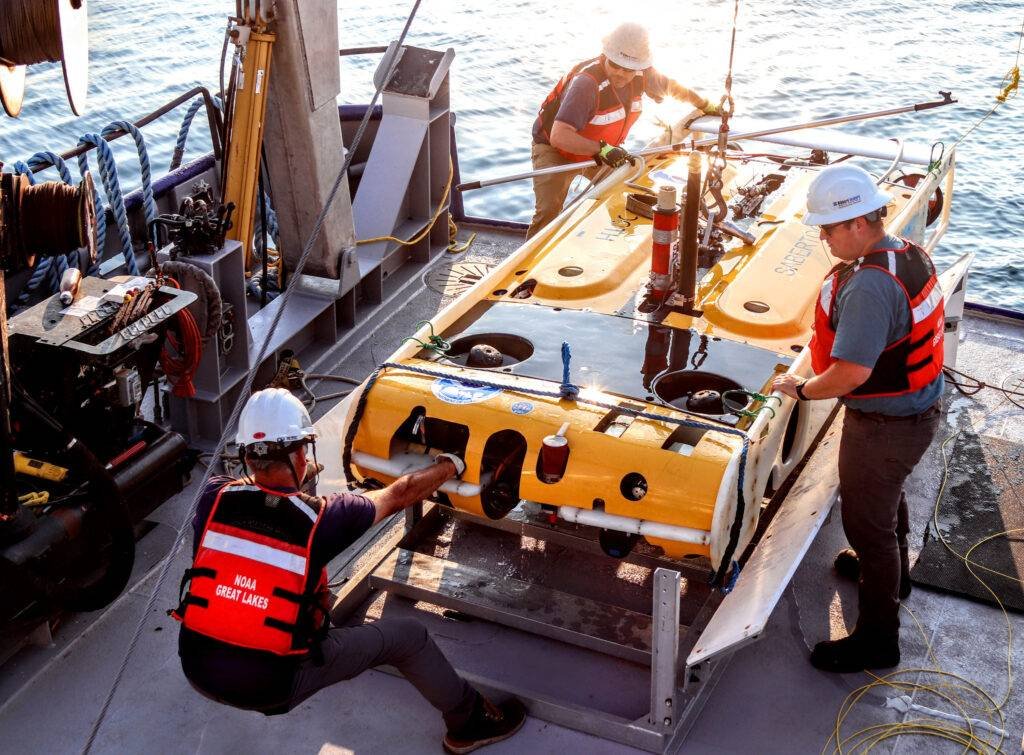
These robotic systems integrate advanced sensors, such as sonar for 3D mapping, acoustic modems for communication, and AI for autonomous decision-making, supporting NOAA’s goals in fisheries management, disaster response, and climate monitoring. The site also covers hybrid vehicles like the Sentry AUV, which combines features for detailed seafloor imaging, and discusses emerging technologies like benthic crawlers for precise sampling on the ocean floor. Through case studies from real NOAA expeditions, such as those in the Gulf of Mexico or the Arctic, the page illustrates how these robots contribute to scientific discovery, helping to uncover new species, assess natural disasters, and track ocean health.
NOAA’s educational materials extend the reach of these initiatives, offering downloadable resources, virtual field trips, and classroom activities that teach principles of robotics, engineering, and marine science. This not only inspires future STEM professionals but also highlights the interdisciplinary nature of ocean robotics, involving collaboration with institutions like universities and other agencies.
In summary, NOAA’s Ocean Explorer program demonstrates the government’s commitment to advancing underwater robotics for exploration and education, fostering innovation that benefits science and society alike.
Map
Sorry, no records were found. Please adjust your search criteria and try again.
Sorry, unable to load the Maps API.