Profile
Mitsubishi Electric Industrial Robots: Precision, Integration, and the Pursuit of Smart Manufacturing
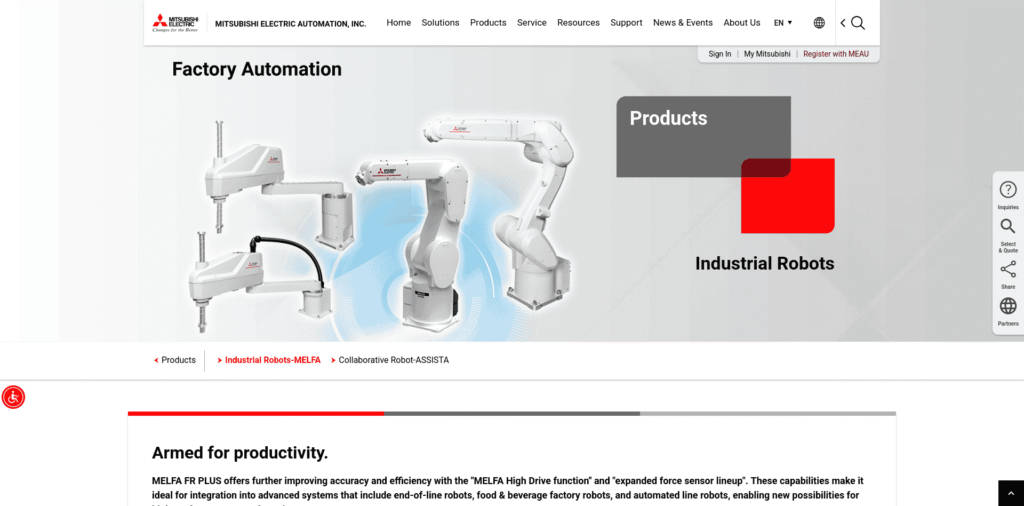
Within the global arena of industrial automation, Mitsubishi Electric has long stood as a titan of reliability and precision. While the conglomerate is widely celebrated for its dominance in power systems, HVAC, and semiconductor manufacturing equipment, its robotics division represents a critical pillar in the evolution of modern “smart factories.” Mitsubishi Electric industrial robots are engineered not merely as standalone mechanical arms, but as highly integrated nodes within a comprehensive ecosystem of factory automation (FA). They are designed to solve complex manufacturing bottlenecks, offering unmatched repeatability, speed, and adaptability across a vast spectrum of heavy, light, and precision industries.
A Diverse Portfolio for Universal Applications
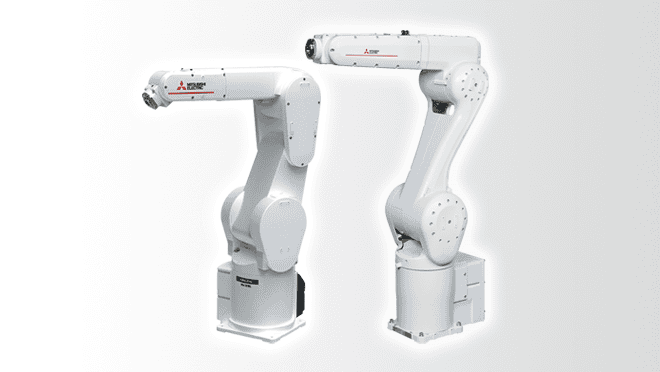
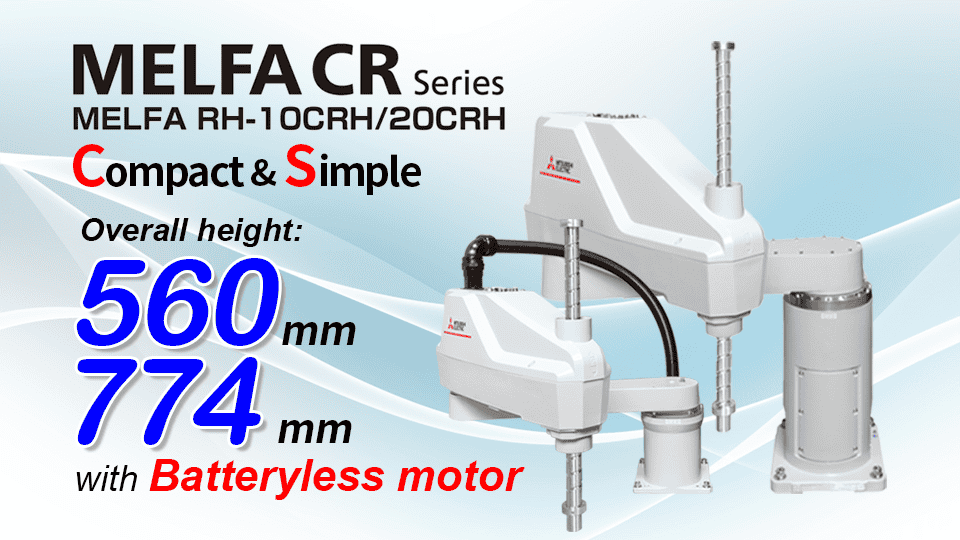
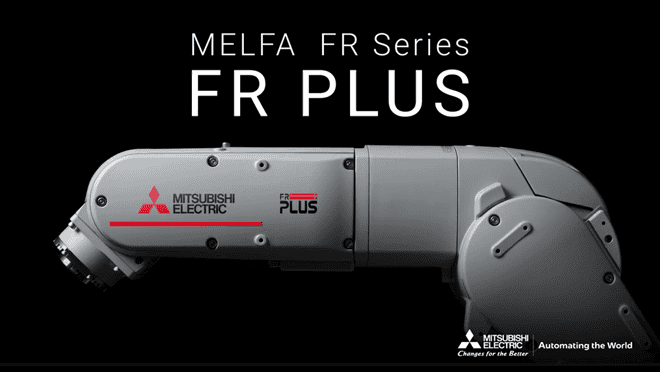
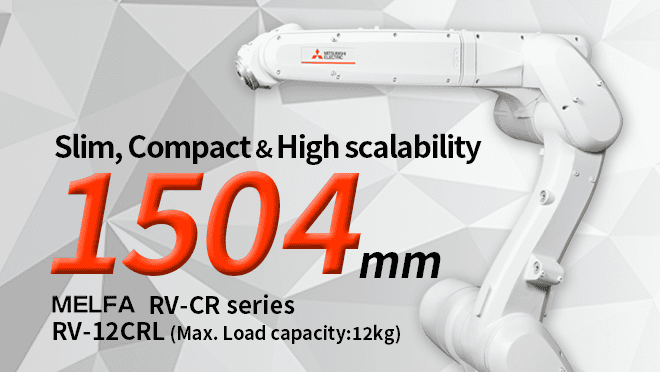
Mitsubishi Electric’s robotic lineup is remarkably expansive, catering to virtually every conceivable industrial need. At one end of the spectrum are their high-payload, multi-axis articulated robots and palletizing systems, capable of maneuvering massive automotive chassis or heavy industrial components with absolute precision. At the other end are their ultra-compact, high-speed “Delta” and “SCARA” robots, which operate with blistering velocity in confined spaces. These smaller robots are the unsung heroes of consumer electronics, pharmaceuticals, and food packaging, executing delicate tasks—such as placing microscopic surface-mount devices on circuit boards or sorting fragile food items—at rates of thousands of cycles per hour.
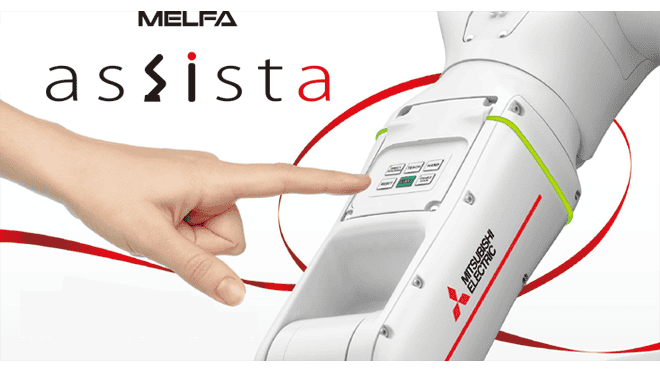
Furthermore, their collaborative robots (cobots) and dedicated arc/welding robots demonstrate the company’s commitment to specialized manufacturing. These machines bring human-like Mitsubidexterity and path-following accuracy to dangerous or ergonomically challenging environments, such as automotive body shops and heavy pipe welding, ensuring consistent quality while removing human workers from harm’s way.
The Power of Seamless Integration
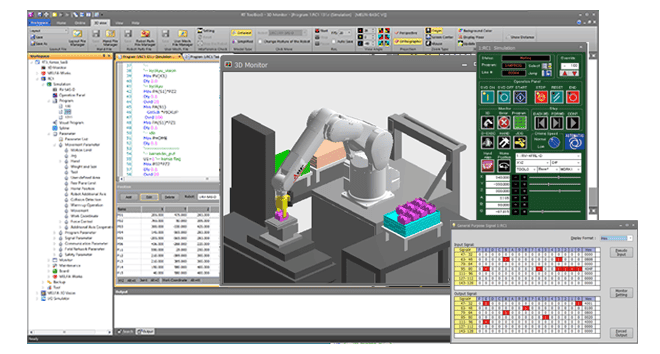
The defining differentiator of Mitsubishi Electric’s robotics philosophy is its native, holistic integration. In many factories, robots are purchased from one vendor, vision systems from another, and Programmable Logic Controllers (PLCs) from a third, resulting in “siloed” operations that require complex middleware and specialized programmers to synchronize. Mitsubishi Electric bypasses this friction entirely. Because their robots utilize the same underlying network protocols (such as CC-Link IE TSN) and software architecture as their PLCs, servo drives, and CNC machines, they achieve unified motion control.
This deep synergy means that a Mitsubishi robot does not just receive a command to pick up a part; it communicates in real-time with the conveyor’s servo motors to dynamically adjust its trajectory based on the exact, live speed of the assembly line. This “hardware handshake” minimizes latency, drastically reduces system commissioning times, and allows manufacturers to scale their automation with plug-and-play fluidity.
Advanced Sensing and AI Trajectory
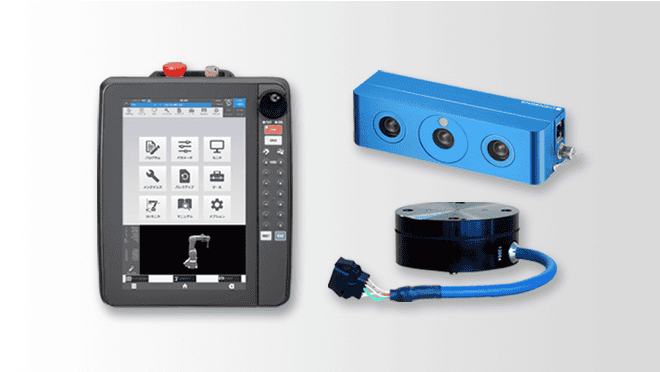
To remain competitive in an era of mass customization, Mitsubishi Electric has heavily invested in sensory intelligence. Their robots increasingly feature integrated, AI-enhanced vision systems and force-sensing capabilities. By equipping robotic arms with 3D vision, the machines can accurately locate and manipulate randomly oriented parts in chaotic bin-picking scenarios—a task that historically required highly structured, expensive fixtures.
Through force control, the robots can “feel” their way through assembly tasks, inserting delicate pins into tight slots with sub-millimeter precision by dynamically compensating for mechanical tolerances on the fly. This shift from blind, pre-programmed movements to reactive, adaptive intelligence allows manufacturers to rapidly pivot production lines to accommodate new product designs without costly hardware overhauls.
Conclusion
Mitsubishi Electric industrial robots represent the convergence of brute mechanical capability and digital finesse. They are not just tools for moving objects; they are sophisticated, interconnected systems that drive the backbone of Industry 4.0. By prioritizing native ecosystem integration, operational reliability, and cutting-edge sensory feedback, Mitsubishi Electric empowers manufacturers to build agile, efficient, and highly automated facilities capable of meeting the relentless, evolving demands of the global supply chain.
Map
Sorry, no records were found. Please adjust your search criteria and try again.
Sorry, unable to load the Maps API.