Profile
Lynxmotion: Veteran‑Driven Modular Robotics for Education, Research, and Hobbyists
Overview and History
Lynxmotion is a long‑standing robotics company known for making modular, metal‑based kits and components that bridge the gap between hobbyist tinkering and serious prototyping. Founded in the mid‑1990s and now operating under the umbrella of Robot Zone (which also owns Actobotics), Lynxmotion has cultivated a reputation for rugged mechanical designs and accessible electronics that make motion systems easier to build, iterate, and scale. Rather than pursuing fully integrated “closed” robots alone, Lynxmotion emphasizes component ecosystems—frames, servos, controllers, and software—that can be mixed to create everything from simple wheeled rovers to multi‑legged walkers and articulated arms.
Core Hardware Ecosystem
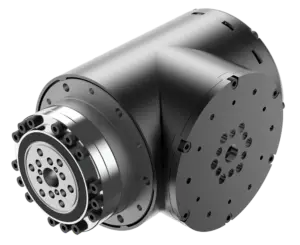
The heart of Lynxmotion’s offering lies in its modular construction systems, most notably channel‑based mechanics that use standardized hole patterns, brackets, and hubs. This approach lets designers assemble rigid chassis quickly, reconfigure payloads, and bolt together subsystems without custom machining. Alongside mechanical parts, Lynxmotion supplies smart servos and controllers optimized for robotics. Many products feature serial communication, feedback sensing, and daisy‑chainable addressing, enabling multi‑joint coordination without excessive wiring complexity.
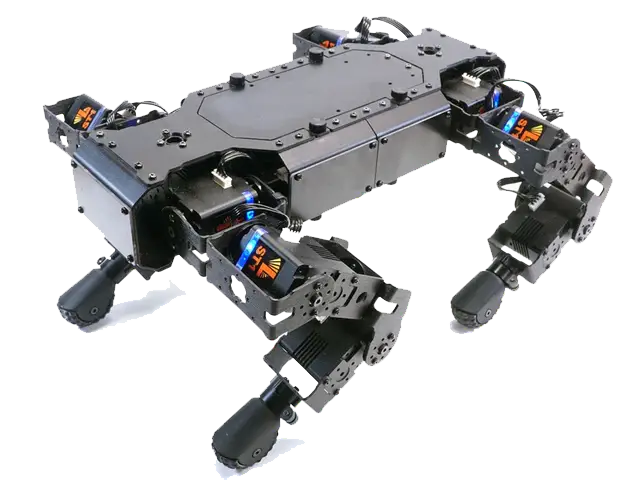
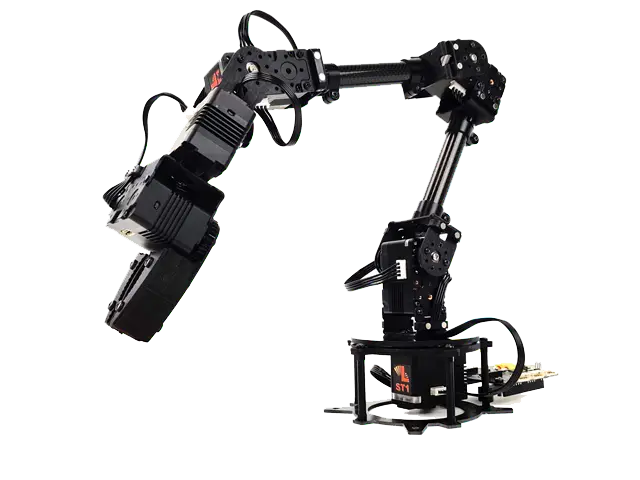
Robotic kits range from beginner‑friendly wheeled platforms to advanced walking machines. Quadruped and hexapod walker kits demonstrate Lynxmotion’s specialty in legged locomotion, with gait‑engine software that abstracts the inverse‑kinematics needed for stable, insect‑like movement. For manipulators, Lynxmotion offers robotic arm kits that prioritize repeatability and payload capacity over ultra‑high precision, making them practical for education, pick‑and‑place demos, and light research tasks.
Electronics, Sensors, and Software
Lynxmotion pairs its mechanics with purpose‑built electronics, including microcontroller‑based SSC (serial servo controller) modules and more advanced brains that support autonomous operation or remote control via Bluetooth, XBee, or wired interfaces. Sensor integration is straightforward: distance, environmental, and inertial sensors slot into the same modular philosophy, allowing robots to react to their environment without deep embedded‑systems expertise.
On the software side, Lynxmotion historically emphasizes accessible programming through graphical or scripted interfaces, while still allowing low‑level C/C++ or Arduino‑style development for power users. For walking robots, their gait‑sequencing software is a hallmark—users can design, test, and refine walking patterns on a computer and then download coordinated servo moves to the robot, collapsing months of kinematics work into iterative visual editing.
Education, Research, and Hobbyist Appeal
Lynxmotion occupies a pragmatic niche between toy‑grade kits and high‑cost research platforms. Its metal frames and industrial‑style fasteners signal durability and precision, yet pricing remains within reach for schools, makerspaces, and small labs. Engineering programs often use Lynxmotion robots to teach fundamentals of mechanisms, sensor fusion, and embedded control, while researchers appreciate the ability to rapidly prototype legged or manipulator concepts without reinventing hardware each iteration.
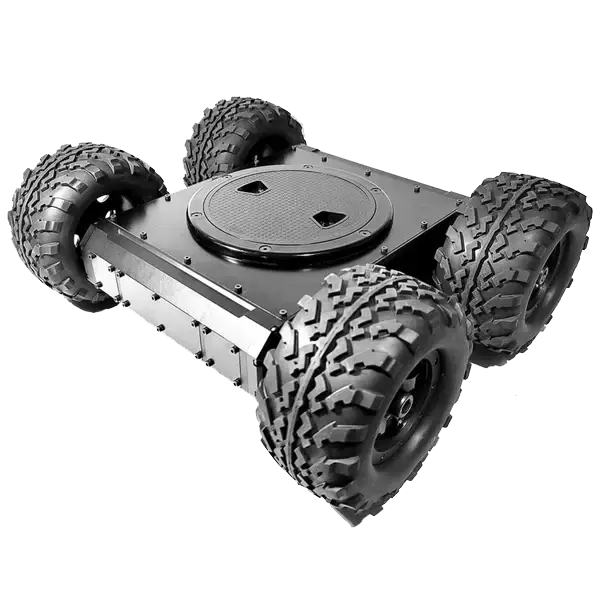
In the hobbyist world, Lynxmotion retains a loyal following because projects can grow in sophistication over time—a beginner can start with a wired wheeled rover and evolve it into an autonomous, sensor‑rich platform with modular upgrades rather than starting from scratch.
Position in the Robotics Landscape
Compared to high‑volume educational brands focused on quick classroom adoption or cutting‑edge research platforms priced for labs, Lynxmotion stakes out a middle ground: serious mechanics for serious experimentation. Its channel‑based building system shares DNA with other modular industrial prototyping tools, while its robotics kits add the sensors, controllers, and walking algorithms needed for motion. As robotics education and personal automation continue to expand, Lynxmotion’s blend of rugged frames, practical electronics, and gait‑engineered legged robots ensures it remains a go‑to resource for anyone who wants to build machines that do more than roll in a straight line.
Map
Sorry, no records were found. Please adjust your search criteria and try again.
Sorry, unable to load the Maps API.