Profile
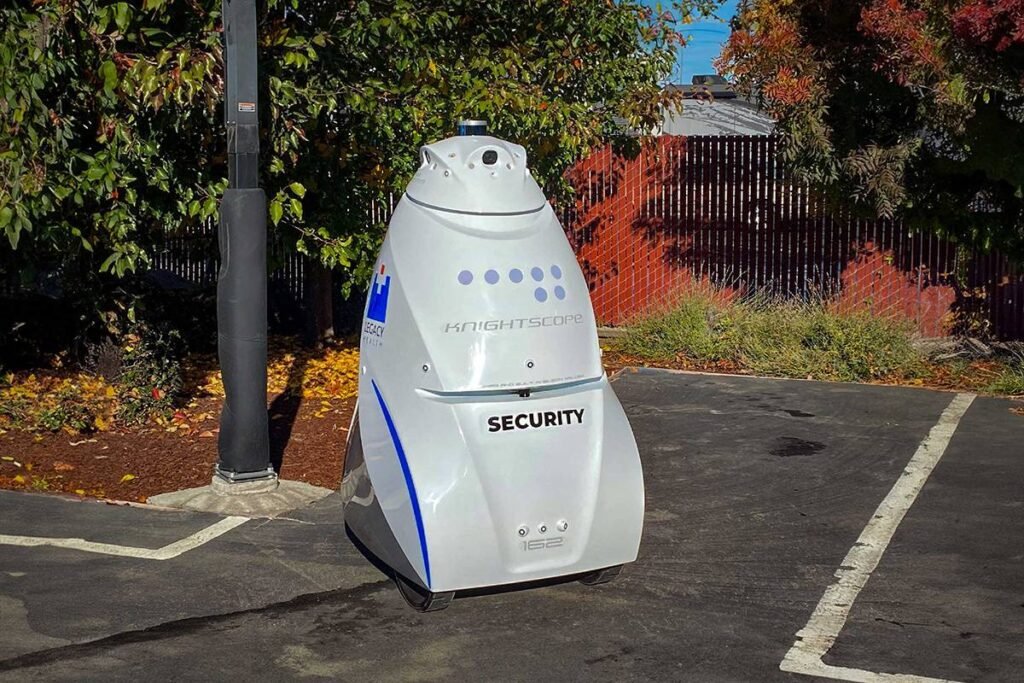
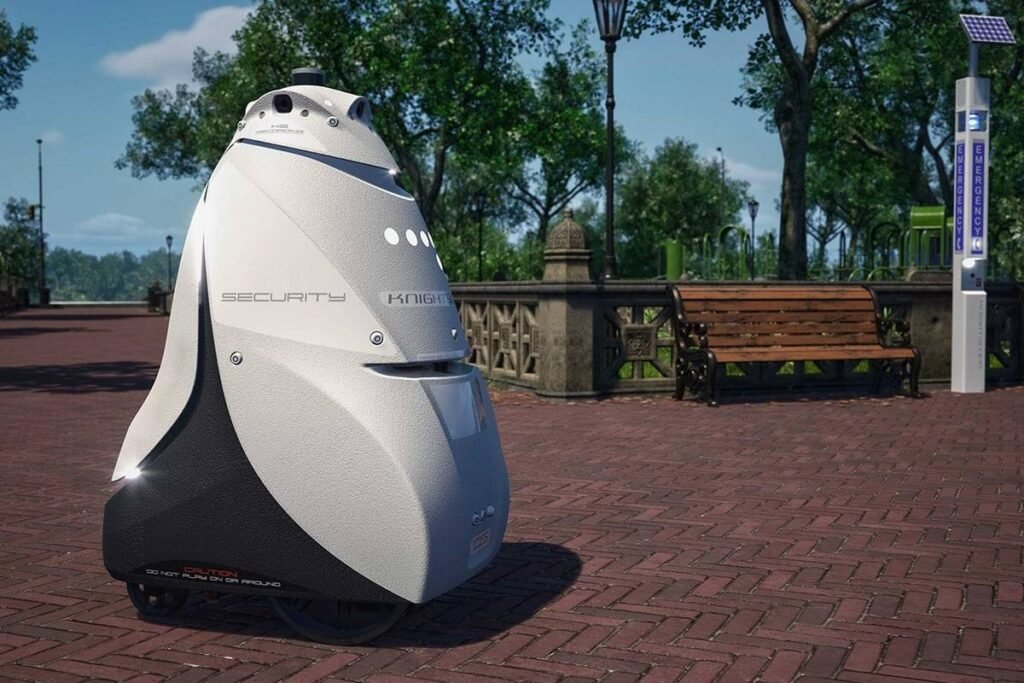
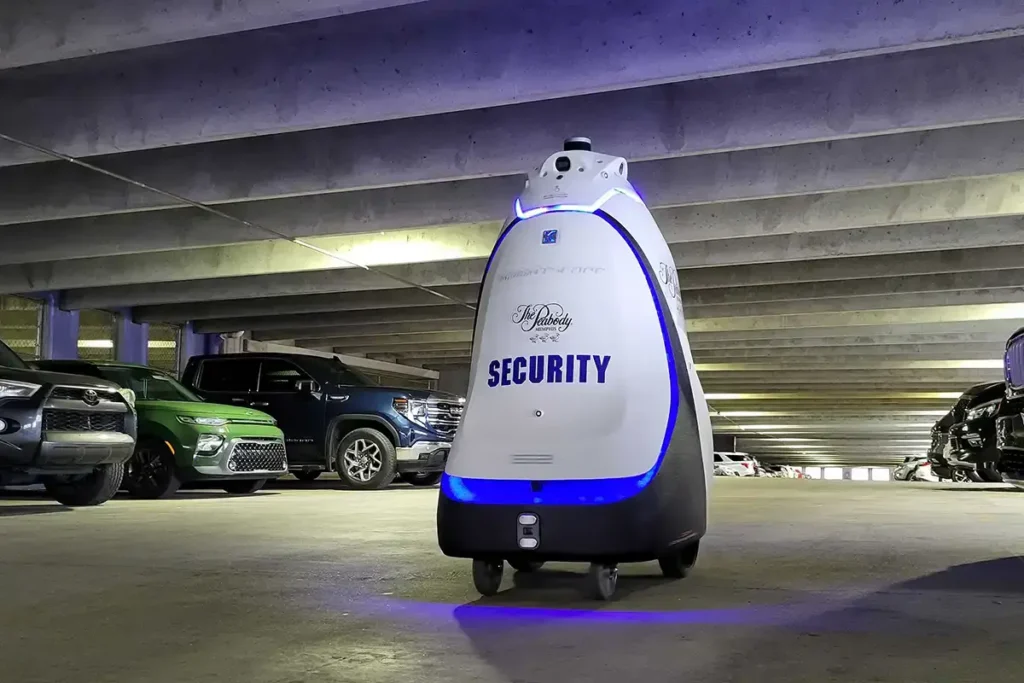
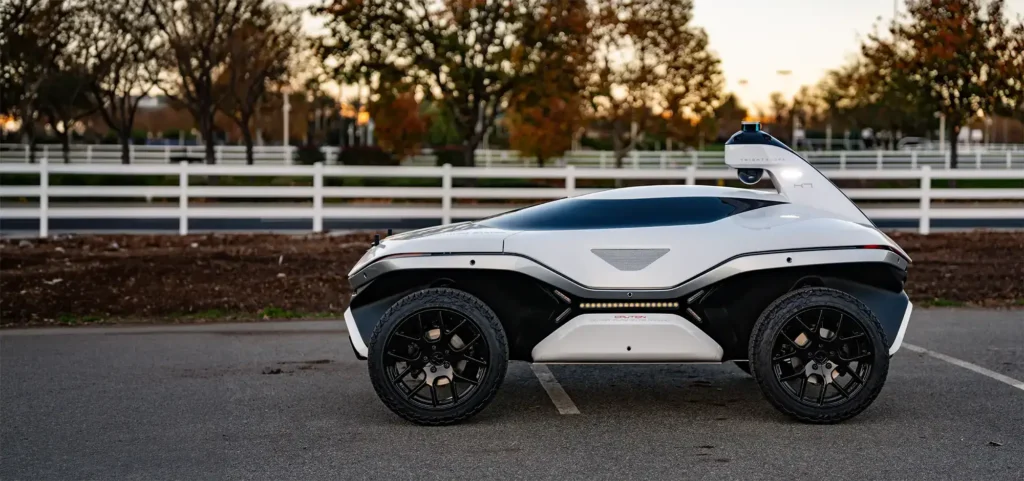
Knightscope, Inc. (NASDAQ: KOP) is a San Francisco‑based technology firm that designs, builds, and operates autonomous security‑robot platforms for a variety of public‑ and private‑sector environments. Founded in 2013 by a team of former NASA engineers and Stanford graduates, the company’s mission is “to make the world a safer place by providing data‑driven, autonomous security that works 24 hours a day, 365 days a year.”
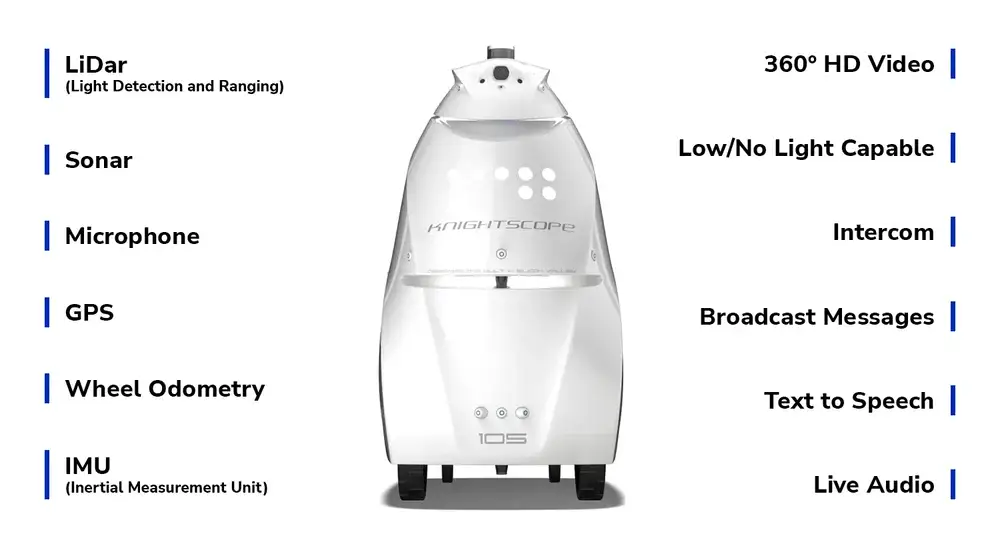
The core of Knightscope’s value proposition is its fleet of self‑driving, AI‑enabled robots that collect and analyze environmental data in real time, integrating video, thermal imaging, LiDAR, and acoustic sensors. By fusing these data streams with proprietary machine‑learning algorithms, the robots can detect anomalous behavior, identify safety hazards, and alert human security personnel or local authorities instantly. The robots operate completely autonomously, navigating sidewalks, parking structures, and indoor corridors while obeying local traffic laws and accessibility standards.
Primary Robot Models
| Model | Typical Deployments | Key Sensors & Capabilities | Typical Use‑Case |
|---|---|---|---|
| K1 | Indoor office buildings, campuses, hospitals | 4‑K HD cameras, 360° LiDAR, thermal array, proximity radar | Patrols low‑traffic indoor spaces, provides real‑time video feeds and “virtual presence” for remote security teams |
| K3 | Parking lots, university campuses, commercial districts | 4‑K cameras, 360° LiDAR, thermal, acoustic sensor suite, 2‑axis robotic arm for deterrence | Detects vehicle theft, vandalism, and crowd‑density anomalies; can issue audible warnings and flash lights |
| K5 | Large outdoor campuses, mixed‑use districts | Dual‑camera (visible/thermal), 360° LiDAR, ambient sound array, pollutant sensors | Monitors perimeters, performs crowd‑flow analysis, reports environmental hazards (e.g., gas leaks) |
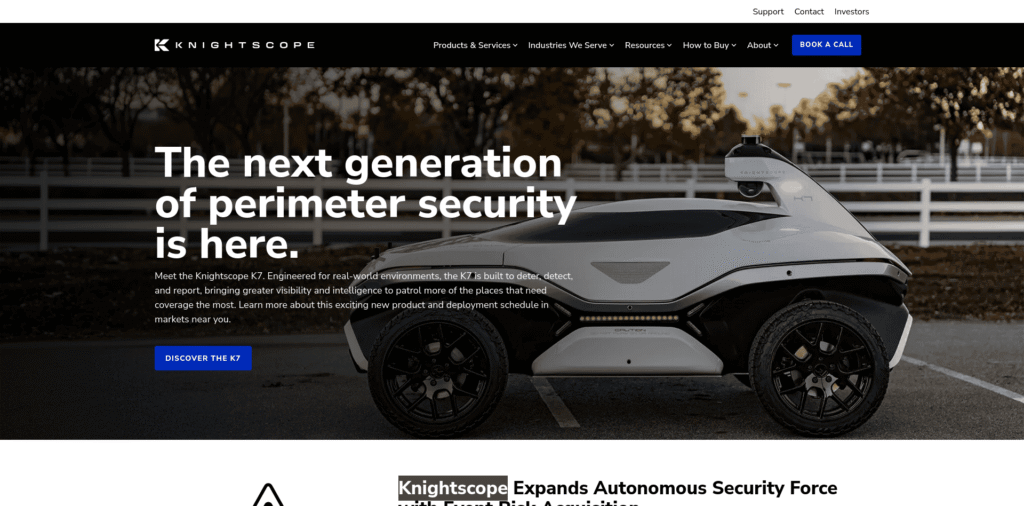
| K7 | High‑traffic public spaces (airports, stadiums, city streets) | 4‑K cameras, 360° LiDAR, 8‑mic array, radar, weather‑resistant chassis | Handles high‑density foot traffic, provides crowd‑management analytics, can integrate with municipal traffic‑control systems |
| K9 | Specialized missions (critical‑infrastructure, disaster response) | Ruggedized LiDAR, IR thermal, chemical/biological sensors, optional payload bay | Operates in hazardous environments, performs remote inspections, supports emergency‑response teams |
All models share a common software stack:
- Autonomous Navigation – Simultaneous Localization and Mapping (SLAM) combined with path‑planning algorithms that adapt to dynamic obstacles.
- Perception AI – Deep‑learning pipelines that classify objects (people, vehicles, packages), detect suspicious gestures, and flag safety violations (e.g., loitering, unattended bags).
- Cloud‑Based Analytics – Data is streamed to Knightscope’s secure cloud platform where dashboards provide heat‑maps, incident timelines, and predictive risk scores for security managers.
- Human‑in‑the‑Loop – Live video and alerts are delivered to a dedicated security operations center (SOC) staffed by Knightscope analysts who can remotely control the robots or dispatch human responders.
Business Model
Knightscope sells its robots on a subscription‑as‑a‑service (SaaS) basis. Clients pay an upfront hardware fee plus a monthly recurring charge that covers maintenance, software updates, data storage, and SOC monitoring. The subscription model encourages continuous improvement of AI models through federated learning across the global fleet, ensuring that every robot benefits from the collective experience of the network.
Market Traction & Partnerships
Since its first commercial deployment in 2017, Knightscope has installed more than 2,000 robots across the United States, Canada, and select international markets. Notable customers include:
- Universities – Stanford, University of California system, and several community colleges use K1/K3 robots for campus safety and parking enforcement.
- Corporate campuses – Google, Apple, and several Fortune 500 headquarters employ K5 robots for perimeter monitoring and visitor management.
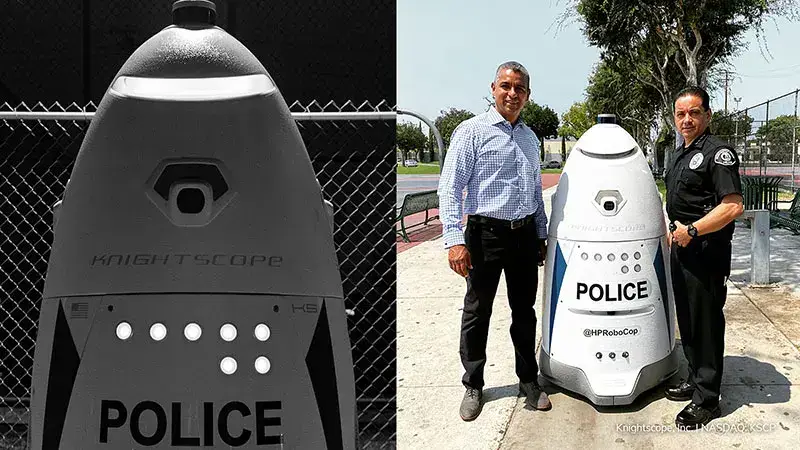
- Municipalities – The City of San Francisco, Dallas, and Chicago have piloted K7 units for public‑space security and traffic‑flow optimization.
Knightscope has secured $150 M+ in venture financing, with investors such as Lux Capital, Bessemer Venture Partners, and Samsung Next. The company also collaborates with law‑enforcement agencies to integrate its alerts directly into Computer‑Aided Dispatch (CAD) systems, streamlining the response workflow.
Impact & Future Directions
Independent studies commissioned by Knightscope indicate a 30‑40 % reduction in property‑theft incidents and a 20 % improvement in response times at sites using its robots. By continuously collecting anonymized sensor data, the platform also contributes to urban‑planning insights, such as identifying high‑risk “heat‑spots” for future infrastructure investment.
Looking ahead, Knightscope is expanding its robot lineup with modular payload bays that can host autonomous delivery lockers, EV‑charging stations, and environmental‑monitoring kits. The company is also piloting edge‑AI chips to perform more inference locally, reducing latency and bandwidth usage.
In summary, Knightscope combines autonomous robotics, AI perception, and cloud analytics to deliver a scalable, 24/7 security solution. Its diversified robot portfolio—ranging from indoor K1 patrols to rugged K9 units—allows the firm to serve a broad spectrum of customers, from campuses to municipal districts. Through a subscription model that couples hardware with continuous software enhancements, Knightscope aims to set a new standard for data‑driven public safety.

Map
Sorry, no records were found. Please adjust your search criteria and try again.
Sorry, unable to load the Maps API.