Profile
iRobot: Pioneering the Practical Robot for Everyday Living
Overview and Origins
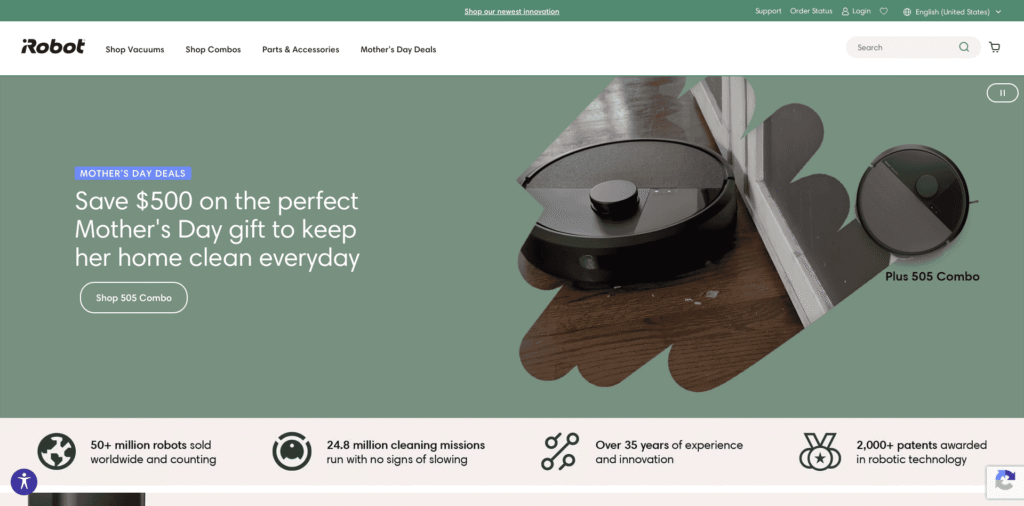
iRobot is one of the most recognizable consumer brands in the robotics industry, best known for turning the concept of autonomous home cleaning from science fiction into a daily reality. Founded in 1990 by Rodney Brooks, Helen Greiner, and Colin Angle—MIT roboticists with roots in artificial intelligence and space exploration—the company initially focused on defense and research contracts. However, it was the launch of the Roomba in 2002 that catapulted iRobot into the consumer mainstream. Today, headquartered in Bedford, Massachusetts, iRobot operates as a defining force in home robotics, shifting the paradigm from manual chores to intelligent, automated home maintenance.
Core Product Ecosystem
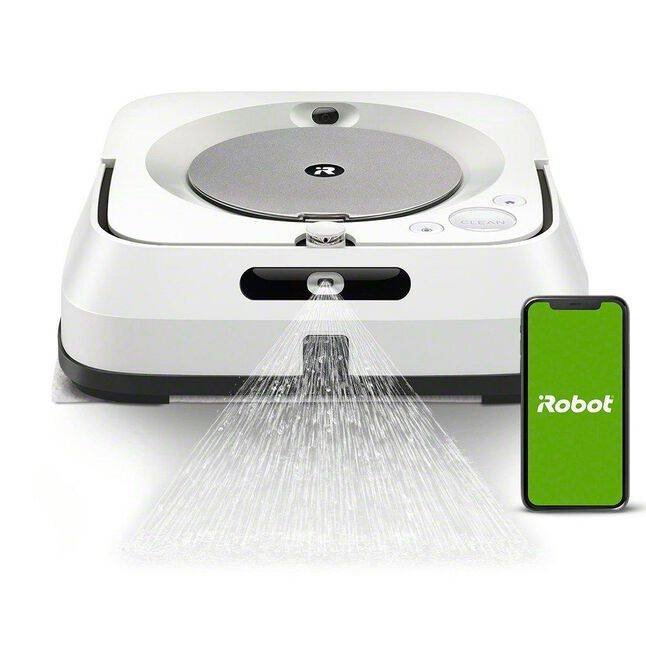
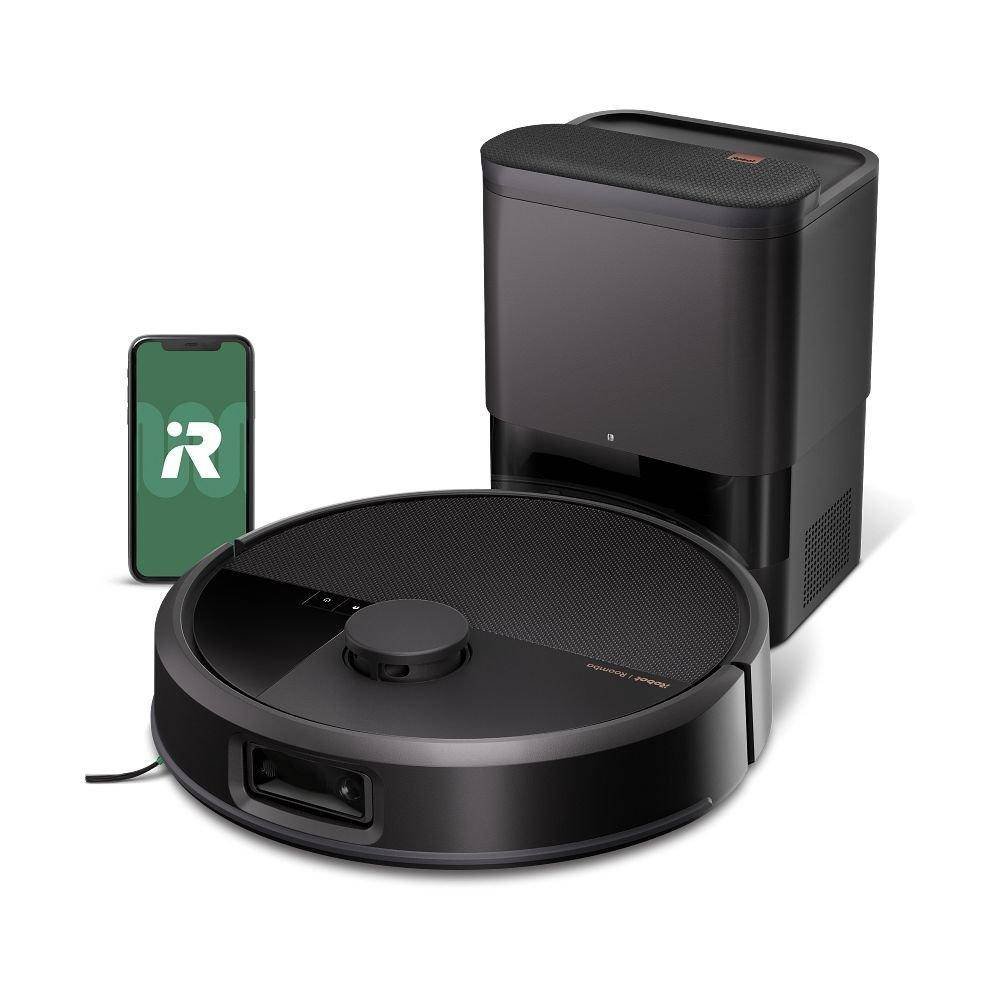
The cornerstone of iRobot’s success is its Roomba robot vacuum line. Evolving from early random-bounce navigation to sophisticated spatial awareness, modern Roombas utilize vSLAM (visual Simultaneous Localization and Mapping), advanced acoustic sensors, and obstacle avoidance cameras to map homes, clean in systematic rows, and dodge pet waste, cords, and shoes. Beyond vacuuming, the ecosystem includes the Braava jet mopping robots, the Terra robotic lawn mower (in select markets), and the flagship s9+ and j7+ models, which feature automatic dirt disposal, powerful suction, and precision navigation around complex furniture layouts.
Software and Intelligence
Hardware is only part of the story. iRobot’s Imprint Smart Mapping technology allows devices to create detailed, multi-floor maps of a home, enabling users to designate specific rooms for cleaning, set virtual barriers (Keep Out Zones), and schedule cleanings with app-based precision. The Clean Base Automatic Dirt Disposal system epitomizes the company’s push toward “zero-touch” maintenance, where the robot empties itself into a sealed bag for weeks at a time. Recently, iRobot has leaned into machine learning and AI-driven object recognition (as seen in the j7 series) to distinguish between obstacles and hazards, ensuring robots adapt to dynamic, lived-in environments rather than treating every object as a barrier.
Beyond the Floor: Strategy and Business
While cleaning remains the flagship, iRobot’s architecture is designed for broader home intelligence. The company envisions its robots as “3D sensors on wheels” that understand home layouts, air quality, and object placement—a potential platform for future smart home integration, security monitoring, and personalized automation. This vision has driven strategic shifts, including a recent sale of its military and consumer robot division (which produced the PackBot used in bomb disposal and disaster response) to focus entirely on the high-volume consumer market. iRobot has also explored subscription models, service networks, and partnerships, aiming to transition from a hardware vendor to a comprehensive smart-home service provider.
Market Impact and Competition
iRobot effectively invented the robot vacuum category and continues to hold significant mindshare, though it faces intense pressure from competitors like Roborock, Shark, and Dyson, who often offer more powerful suction or advanced mopping at competitive price points. Nevertheless, iRobot’s strength lies in its ecosystem integration, reliable navigation software, and brand trust. The company’s emphasis on durability, repairability (in a largely disposable tech market), and customer support has cultivated a loyal user base willing to pay a premium for a product that “just works.”
Future Trajectory
Looking ahead, iRobot represents the bridge between narrow-purpose appliances and general home intelligence. As artificial intelligence and spatial computing mature, the company is positioned to leverage its fleet of millions of deployed robots—each collecting unique data on human living spaces—to refine not just how machines clean, but how they assist, monitor, and secure the modern home. In an era where smart homes often lack physical agency, iRobot’s philosophy remains simple but powerful: the most useful robot is the one that lives in your home, knows its layout, and works quietly while you live your life.
Map
Sorry, no records were found. Please adjust your search criteria and try again.
Sorry, unable to load the Maps API.