Profile
Fabric (formerly known as SoftWear Automation) is an American robotics company revolutionizing the $2.5 trillion global apparel industry through fully automated, robotic sewing and garment manufacturing systems. Founded in 2012 and headquartered in Atlanta, Georgia, Fabric has developed one of the world’s most advanced computer vision-guided robotic sewing platforms — commonly known as Sewbots. The company’s mission is to transform “cut and sew” manufacturing, which has remained largely manual for over 200 years, by creating flexible, adaptive robotic production lines that can produce high-quality garments at scale in proximity to consumers, dramatically reducing lead times, inventory waste, and carbon footprint associated with global shipping.
At the core of Fabric’s robot-based products is a proprietary system that combines high-speed industrial sewing machines with advanced robotics, multi-camera computer vision, AI, and intelligent material handling. Unlike rigid automation used in automotive or electronics, sewing flexible, stretchy, and slippery fabrics is extremely difficult for robots. Fabric solved this using real-time adaptive control — their robots can “see” the fabric edges, compensate for material variation, and make thousands of micro-adjustments per second to sew straight seams, attach pockets, hems, and even complex decorative stitching with precision that rivals or exceeds skilled human operators.
Key products include complete robotic production cells capable of manufacturing t-shirts, polo shirts, denim jeans, workwear, and medical garments at commercial volumes. A single Fabric robotic line can produce hundreds of garments per shift with minimal human intervention. The latest generation systems feature improved dexterity, faster changeover between styles, and integration with digital design software for on-demand manufacturing. This enables “lot size of one” production — producing a single customized garment economically.
Major achievements include partnerships with leading apparel brands (including Adidas and PVH Corp), U.S. Department of Defense contracts for domestic production of military uniforms, and successful commercial deployments. The technology offers compelling economic and strategic advantages: faster time-to-market (weeks instead of months), reduced labor dependency, improved quality consistency, and the ability to manufacture near-shore or on-shore in high-wage markets like the United States and Europe.
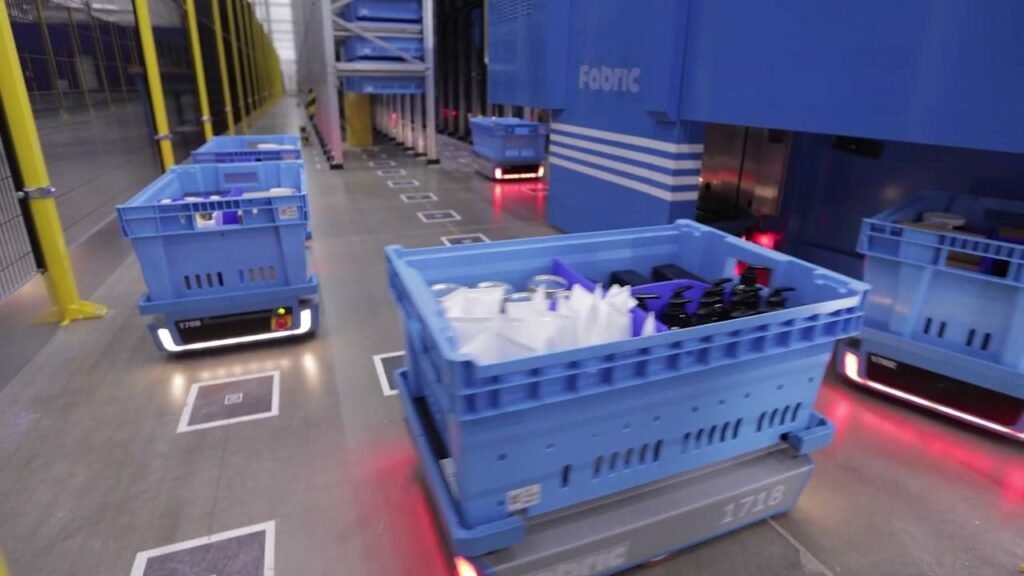
Fabric combines three core technologies: (1) Vision-guided robotics that track fabric movement in 3D, (2) Adaptive control software that adjusts sewing parameters dynamically, and (3) Intelligent material transport systems that move cut pieces between multiple sewing stations autonomously. This end-to-end automation is considered a breakthrough in “soft goods” robotics.
The company continues to scale its technology, expand the range of garments it can produce, and improve cost economics. As supply chain resilience and sustainability become higher priorities for global brands, Fabric is positioned as a critical innovator enabling the future of localized, automated apparel manufacturing. By making robotic sewing commercially viable, the company is not only disrupting a massive industry but also bringing advanced robotics into one of the last major categories of manufacturing still dominated by human hands.

Map
Sorry, no records were found. Please adjust your search criteria and try again.
Sorry, unable to load the Maps API.