Profile
Arduino: The Cornerstone of Modern Electronics Education and Accessible Innovation
Born in 2005 as a thesis project at the Interaction Design Institute Ivrea in Italy, Arduino has grown from a niche open-source hardware experiment into the undisputed global leader in electronics prototyping and embedded computing education. Headquartered in Turin, Italy, Arduino is much more than a simple microcontroller board; it is a comprehensive, open-source ecosystem that has fundamentally democratized the fields of physical computing, robotics, and the Internet of Things (IoT). By stripping away the steep financial and technical barriers historically associated with hardware engineering, Arduino has empowered a generation of students, hobbyists, artists, and professional engineers to seamlessly blend the digital and physical worlds.
The Philosophy of Open-Source Hardware
At the heart of Arduino’s enduring success is its unwavering commitment to open-source principles. Unlike proprietary microcontroller platforms that lock users into closed ecosystems, Arduino releases all its hardware design files (EAGLE CAD schematics and PCB layouts) and software libraries to the public domain. This transparency allows anyone to study, modify, clone, and manufacture the boards, fostering a massive global community of contributors and derivative manufacturers. This philosophy ensures that the tools remain affordable, highly accessible, and continuously improved by a decentralized network of brilliant minds, while guaranteeing long-term availability and backward compatibility for industrial and educational institutions alike.
Streamlined Development for All Skill Levels
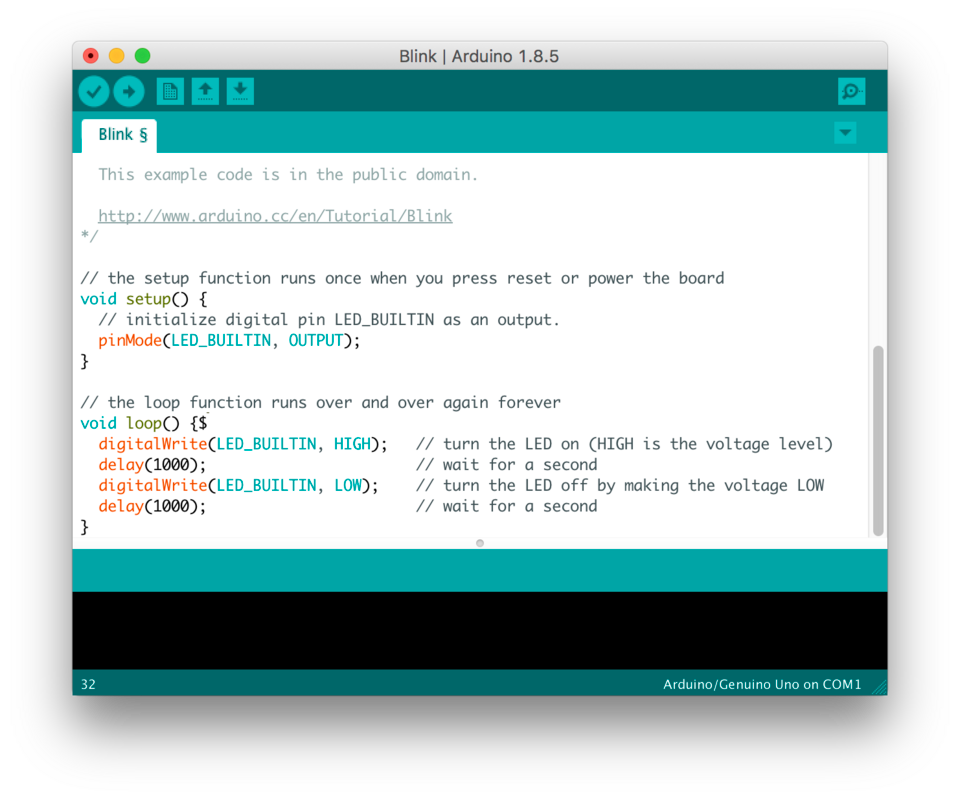
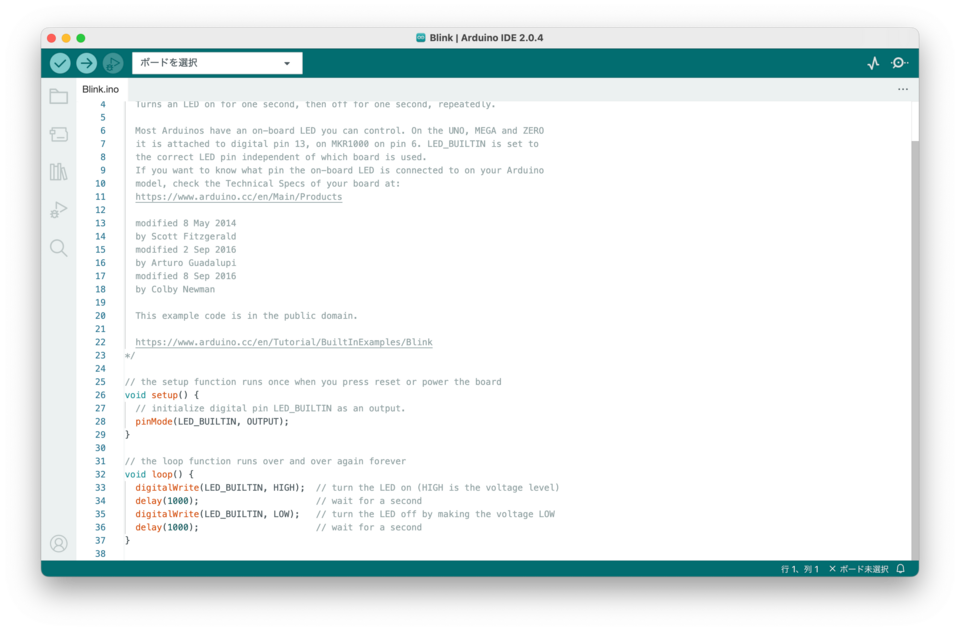
Arduino’s defining characteristic is its user-friendly, integrated development environment (IDE). Built on a streamlined version of C/C++, the Arduino IDE abstracts away the tedious low-level machine code and complex register configurations traditionally required to program microcontrollers. Instead, developers interact with intuitive functions like digitalWrite() or analogRead(), allowing them to focus entirely on the logic and functionality of their projects rather than the microcontroller’s internal architecture. Combined with an intuitive, standardized pin layout that easily interfaces with breadboards, actuators, and sensors, Arduino turns the daunting task of embedded programming into an accessible, creative endeavor. A user can wire a temperature sensor, write a few lines of code, and have a working digital thermostat operational in mere minutes.
A Vast and Versatile Hardware Ecosystem
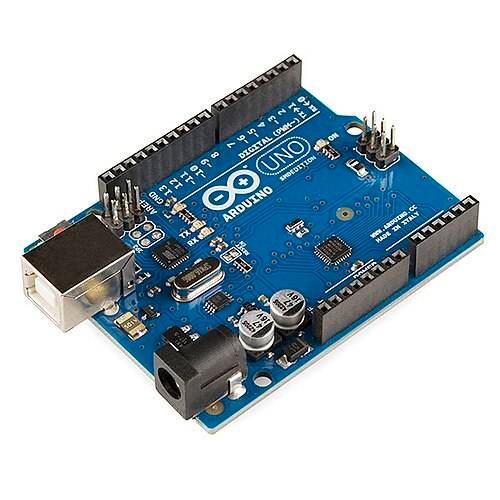
While the classic Arduino Uno remains the iconic standard for beginners, the company’s hardware catalog spans an astonishing range of computational needs. Boards like the Arduino Mega offer vast numbers of input/output pins for complex robotics and CNC machines, while the Nano provides a compact footprint for wearable tech. Simultaneously, high-performance boards like the Arduino Portenta and the groundbreaking Arduino Opta are engineered for heavy-duty industrial automation, PLC (Programmable Logic Controller) integration, and machine-learning edge computing. Furthermore, the Arduino ecosystem embraces wireless connectivity through boards like the Nano 33 IoT and the Nano RP2040 Connect, which feature built-in Wi-Fi, Bluetooth, and dedicated cryptographic chips for secure IoT deployments.
Educational Impact and Professional Integration
Arduino plays an unparalleled role in global STEM (Science, Technology, Engineering, and Mathematics) education. By allowing students to see immediate, tangible results of their code—a blinking LED, a spinning motor, or a reading on an LCD screen—it cultivates deep, practical problem-solving skills and a lifelong passion for engineering. Simultaneously, Arduino has earned its place in the professional world. Engineers frequently utilize Arduino boards for rapid proof-of-concept prototyping, validating complex hardware designs before transitioning to custom, mass-produced Printed Circuit Boards (PCBs).
Conclusion
Arduino has irrevocably altered the trajectory of modern technology. By marrying open-source ideology with exceptional ease of use, it has transformed hardware development from an esoteric, highly specialized discipline into a universal language of creativity. Whether utilized in a high school classroom, an art installation at a museum, or a cutting-edge factory automating global supply chains, Arduino continues to serve as the foundational gateway that turns imagination into tangible, interactive reality.


Map
Sorry, no records were found. Please adjust your search criteria and try again.
Sorry, unable to load the Maps API.