Profile
3D WASP (World’s Advanced Saving Project) operates at the fascinating intersection of sustainability, open-source philosophy, and digital fabrication. Located at https://3dwasp.com, the company serves as the central hub for one of the most ambitious and distinctive initiatives in the modern additive manufacturing landscape: building large-scale, environmentally conscious 3D printers capable of utilizing locally sourced, natural, and recycled materials. Unlike many commercial 3D printing enterprises focused on plastics or high-tech metals, WASP dedicates itself to democratizing construction technology while radically reducing the carbon footprint of manufacturing and building.
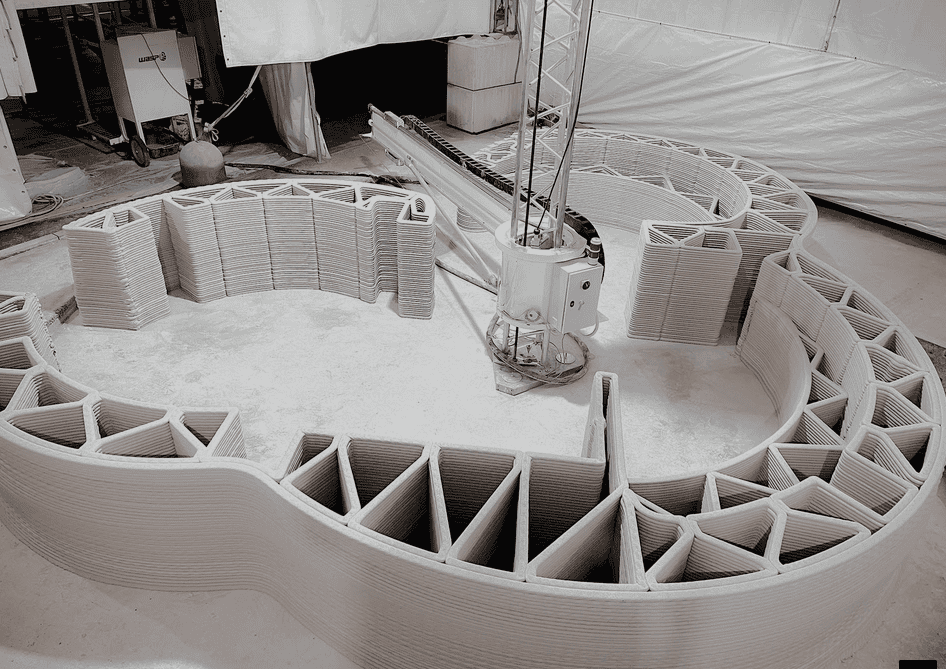
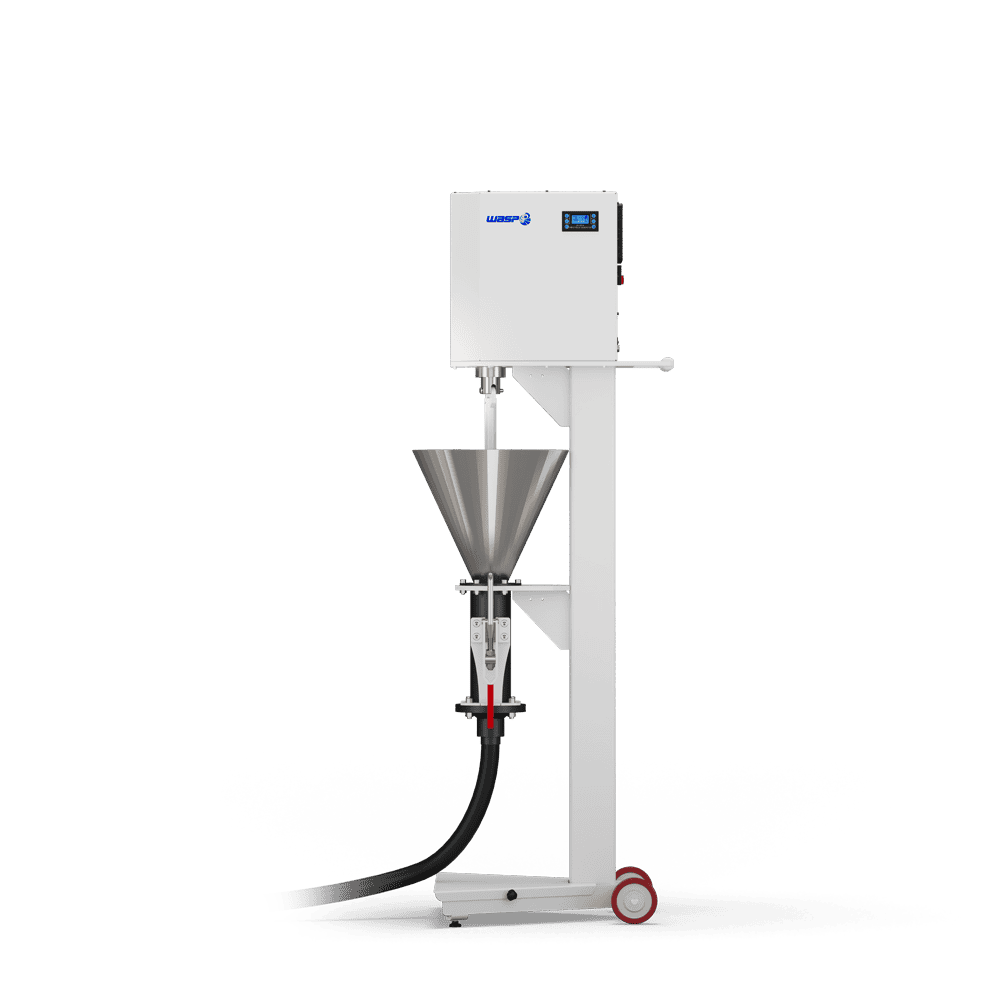
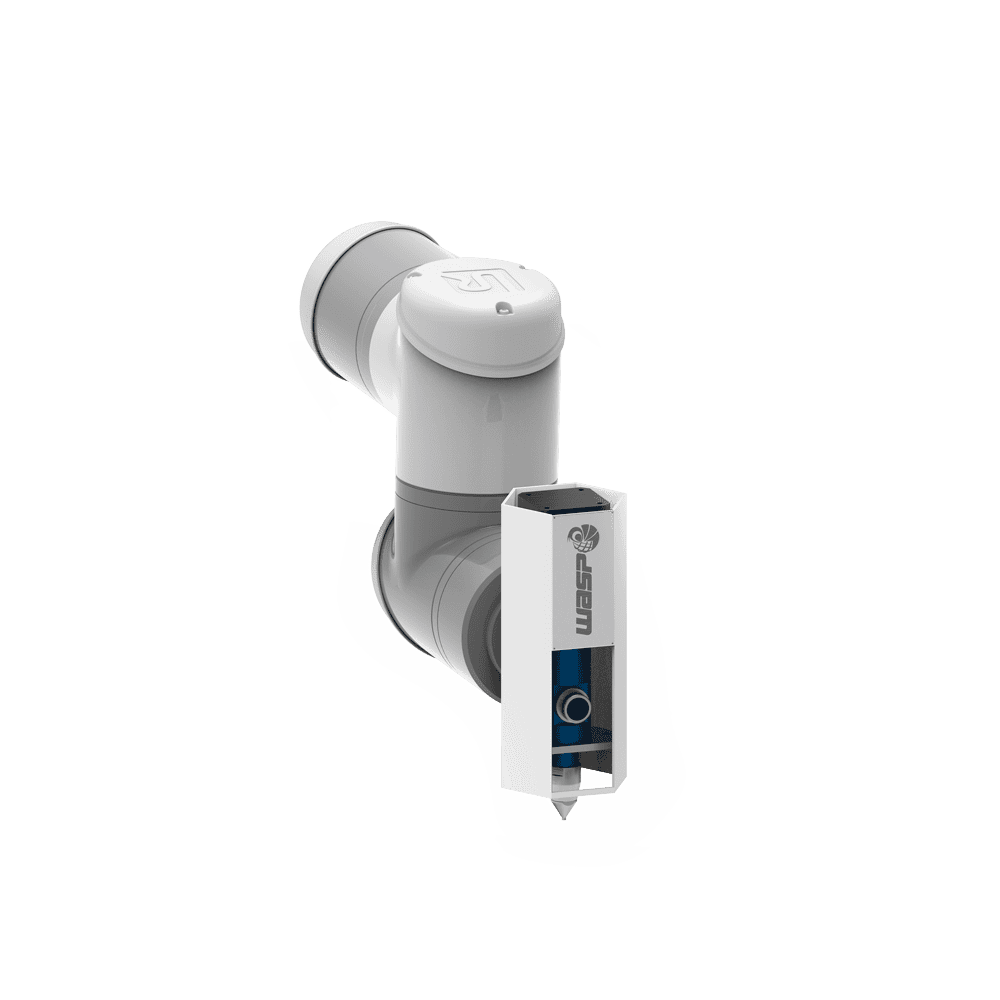
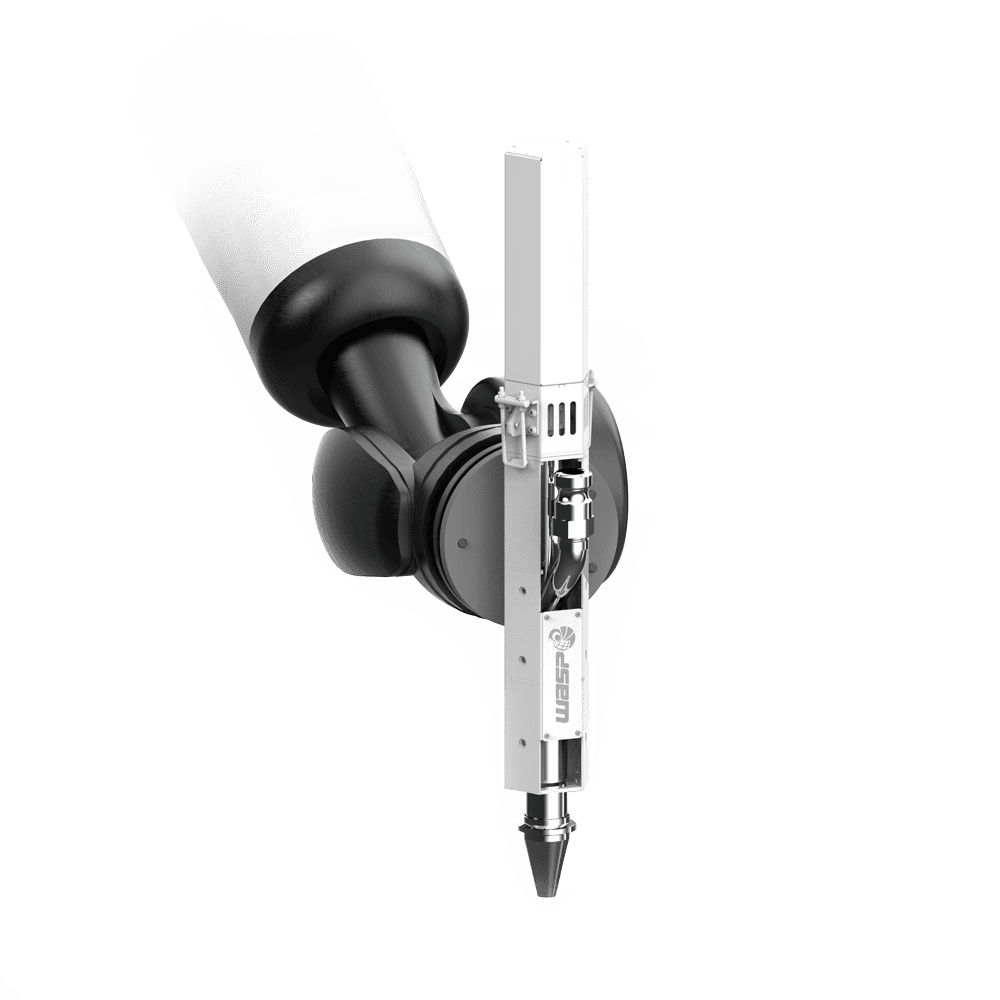
At the heart of the company’s identity is its modular Delta 3D printer ecosystem. The website details a range of machines—from desktop units to massive, multi-meter-tall industrial rigs—unified by a core architectural philosophy: configurability. WASP printers are designed as “open-source” projects, often allowing users to study, modify, and scale the hardware to suit specific needs. This approach lowers the barrier to entry for researchers, artisans, and developing communities who lack the capital for proprietary systems but possess the ingenuity to adapt technology to local constraints. The printers feature sophisticated software and mechanical systems capable of handling the inconsistent textures and viscosities inherent in raw, unprocessed matter, a significant technical challenge that WASP has largely overcome.
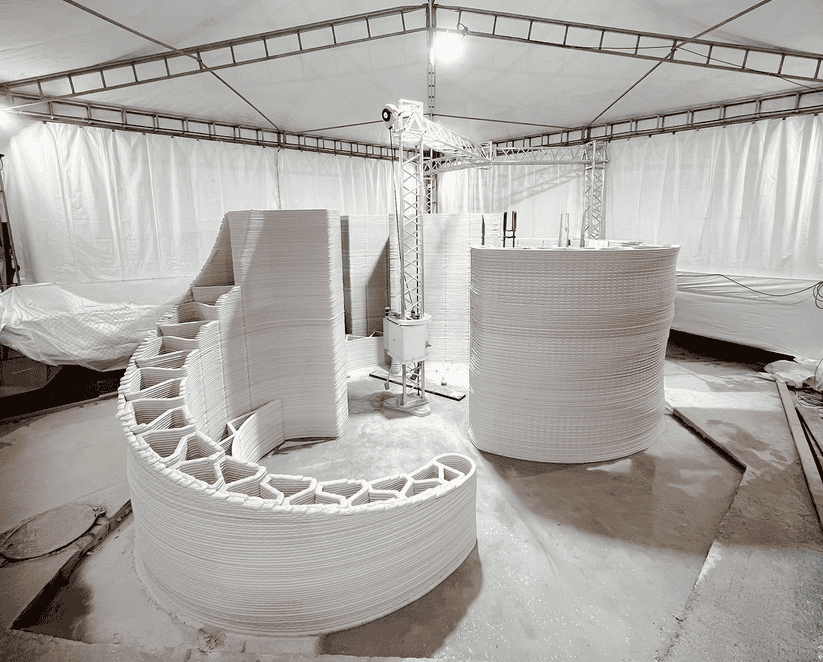
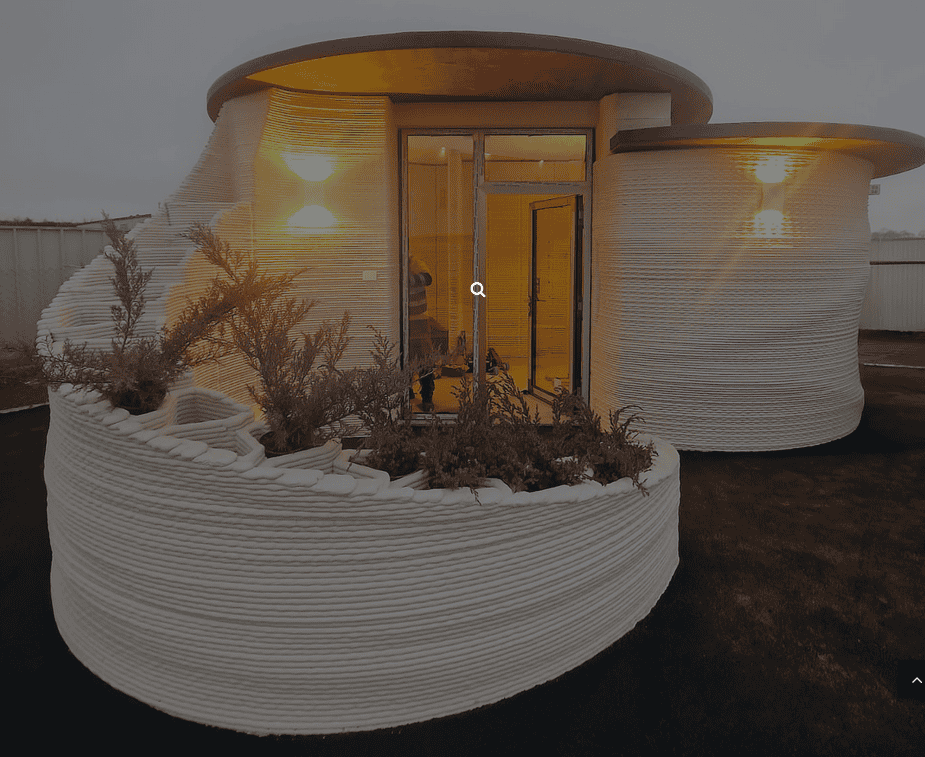
The true differentiator, however, lies in the materials. 3DWasp.com places immense emphasis on what it calls “zero-mile” production. The company actively develops and deploys printing filaments and extrusion systems that bypass petroleum-based polymers entirely. Instead, they utilize clay, soil, straw, rice husk, lime, and recycled plastics. By championing these “earth-native” materials, WASP attempts to decouple the act of creation from global supply chains. The website frequently highlights projects where buildings are printed using dirt extracted directly from the construction site, effectively minimizing transportation emissions and costs while ensuring the resulting structures are biodegradable or easily recyclable.
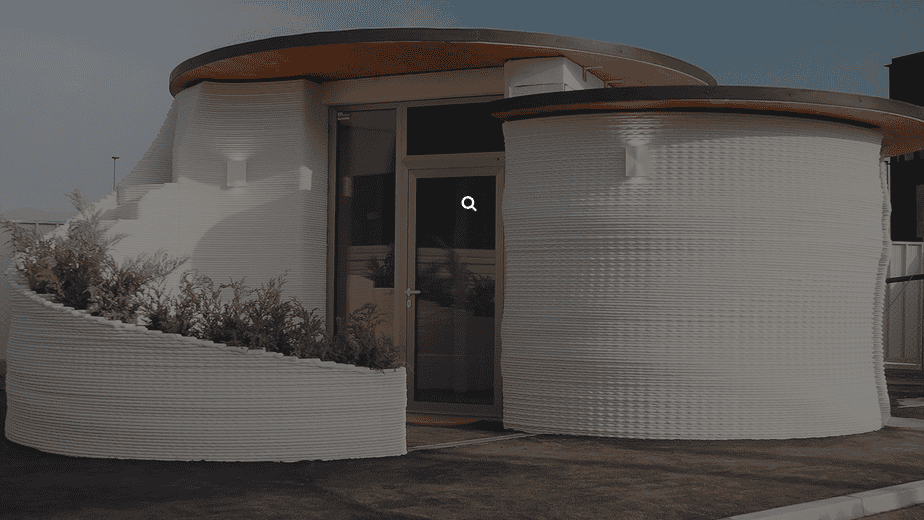
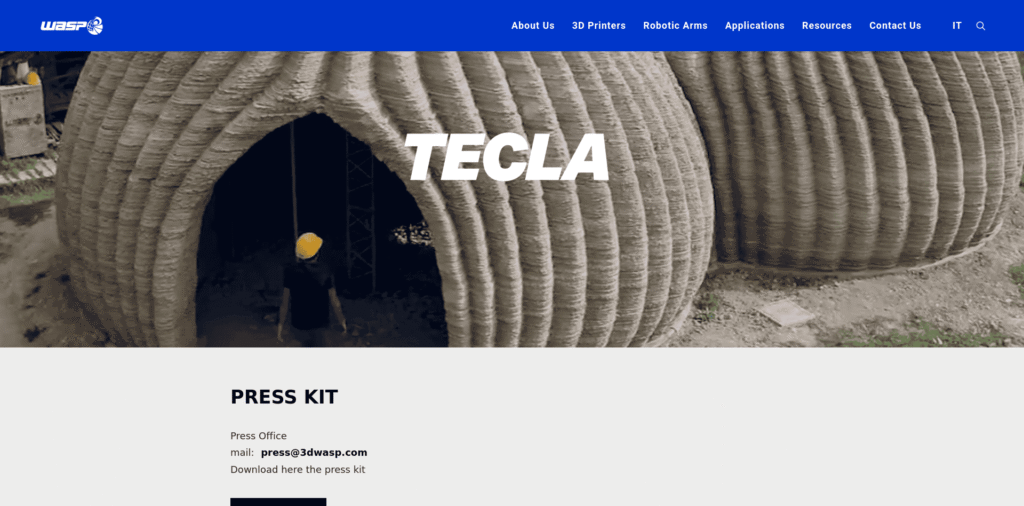
Beyond the hardware, the website functions as a portfolio of visionary applications. It documents the construction of emergency shelters, eco-habitats, and artistic installations across the globe. WASP’s Tecla project—a prototype eco-house printed entirely from local earth—stands as a flagship achievement, demonstrating that sustainable living does not require sacrificing aesthetic complexity or structural integrity. The site illustrates how these machines can empower off-grid communities to build dignified housing autonomously, using resources beneath their feet rather than imported concrete.
Ultimately, 3DWASP.com represents a paradigm shift in how we think about manufacturing and shelter. It reframes 3D printing not merely as a tool for rapid prototyping, but as a viable pathway to ecological stewardship. By merging open-source transparency with a deep respect for the planet’s resources, WASP positions itself not just as a printer manufacturer, but as a catalyst for a future where technology heals the environment rather than depleting it.
Map
Sorry, no records were found. Please adjust your search criteria and try again.
Sorry, unable to load the Maps API.