Profile
The Center for Robot-Assisted Search and Rescue (CRASAR), established in 2001, is a 501(c)(3) nonprofit organization dedicated to advancing the use of unmanned systems in emergency management and public safety. Based in the United States, CRASAR focuses on deploying ground, marine, and aerial robots—such as drones and unmanned vehicles—to assist in disaster response scenarios. These robot-based products are not manufactured or sold by CRASAR but are integral to their mission, serving as tools for real-time data collection, search operations, and situational awareness in high-risk environments like earthquakes, hurricanes, floods, and volcanic eruptions.
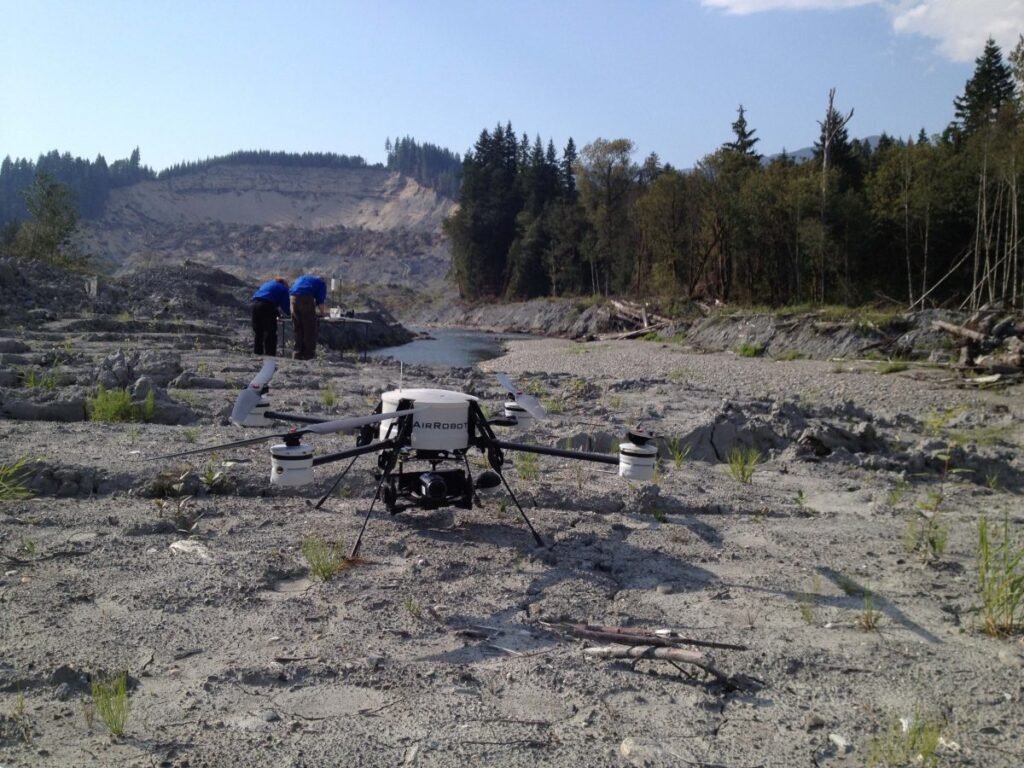
CRASAR has been involved in over 30 disaster deployments across five countries, including notable events like Hurricane Katrina (2005), the Japanese Tsunami, Hurricane Ian (2022), and various wildfires and floods. Their robots, often small unmanned aerial systems (sUAS), marine vehicles, and ground-based units, provide critical capabilities such as aerial imagery, underwater reconnaissance, and terrain navigation. For instance, during hurricanes and floods, sUAS are used to capture high-resolution footage of affected areas, helping incident commanders assess damage and locate survivors. CRASAR emphasizes “just-in-time” guides, podcasts, and best practices to ensure these technologies are used effectively, reducing pilot fatigue and improving operational safety.
In addition to field deployments, CRASAR offers extensive training programs, having educated over 1,000 professionals from 30 agencies in seven countries. Their curriculum covers robotics for emergency response, including safe operation of unmanned systems in challenging conditions like nighttime flights or mountainous terrains. Resources include one-page guides, scientific datasets, and video archives on their YouTube channel, which feature lessons learned from real-world applications.
CRASAR’s robot-based products are typically off-the-shelf or custom-adapted systems, optimized for public safety rather than commercial sale. They promote technologies that enhance resilience, such as drones for wildfire monitoring or marine robots for mass casualty events. Volunteers play a key role, with the organization maintaining a network for rapid response and knowledge sharing.
Sustainability and innovation are core to CRASAR’s ethos, as seen in their blog posts and research papers, which analyze deployments to refine future strategies. By fostering collaboration between emergency agencies and technology developers, CRASAR bridges the gap between cutting-edge robotics and practical disaster relief, ultimately saving lives and minimizing risks.