Profile
Waymo: Pioneering the Autonomous Future with “The Driver”
Waymo LLC, originally birthed as the Google Self-Driving Car Project in 2009 within Google X, has evolved into a global leader in autonomous driving technology. Now operating as a subsidiary of Alphabet Inc., Waymo’s mission is to make it safe and easy for people and things to get where they are going by developing what they call “The Driver”—a fully autonomous driving system designed to operate without human intervention under a wide range of conditions.
The Waymo Driver: A Comprehensive Sensor Suite and AI
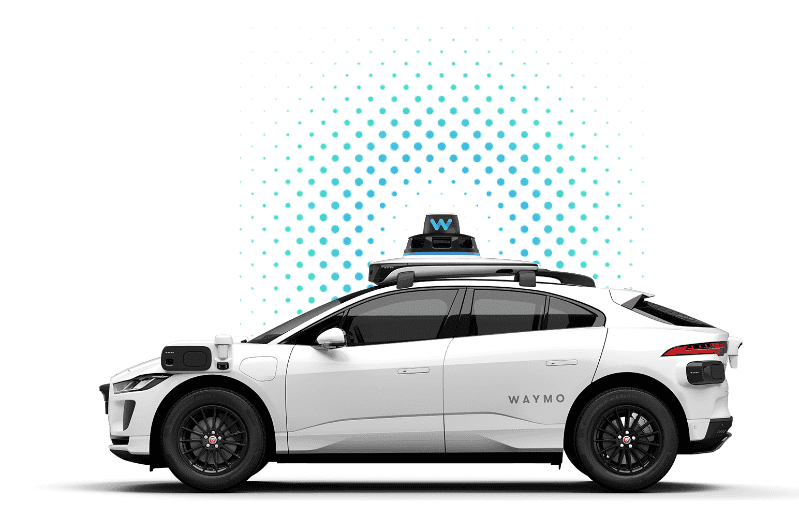
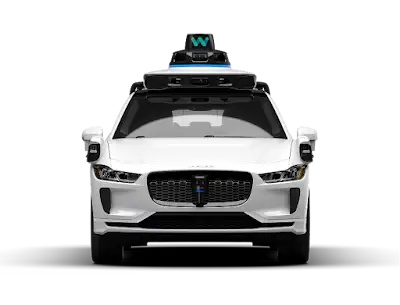
At the core of Waymo’s product offering is the Waymo Driver, a sophisticated stack of custom hardware and advanced software. Unlike semi-autonomous systems that require constant human oversight, the Waymo Driver is designed for full autonomy (Level 4 and Level 5 capability). The hardware suite is built for redundancy and 360-degree perception, utilizing LiDAR (to generate precise 3D maps of the environment regardless of lighting), radar (to penetrate rain and fog and measure object velocity), and cameras (to interpret color, text, and traffic signals).
This sensor fusion feeds into Waymo’s proprietary machine learning models and simulation engines. The system is trained on millions of real-world miles and billions of simulated miles, allowing it to recognize and predict the behavior of pedestrians, cyclists, erratic drivers, and construction zones. This “experience” enables the Waymo Driver to make split-second decisions based on complex social cues and environmental variables that traditional rule-based programs struggle to parse.
Waymo Via: The Commercial and Logistics Platform
Recognizing that freight and logistics are foundational to the global economy, Waymo launched Waymo Via. This initiative focuses on autonomous trucking and local delivery. Through partnerships with heavy-duty truck manufacturers (such as Daimler/Volvo and Peterbilt), Waymo is integrating its autonomous technology into Class 8 trucks for long-haul freight. This aims to address driver shortages while improving safety on highways. Via also encompasses local delivery solutions, integrating with vehicle platforms like the Mercedes-Benz Vans and the Jaguar I-PACE to transport goods from warehouses to consumers autonomously.
Waymo One: The Public Robotaxi Service
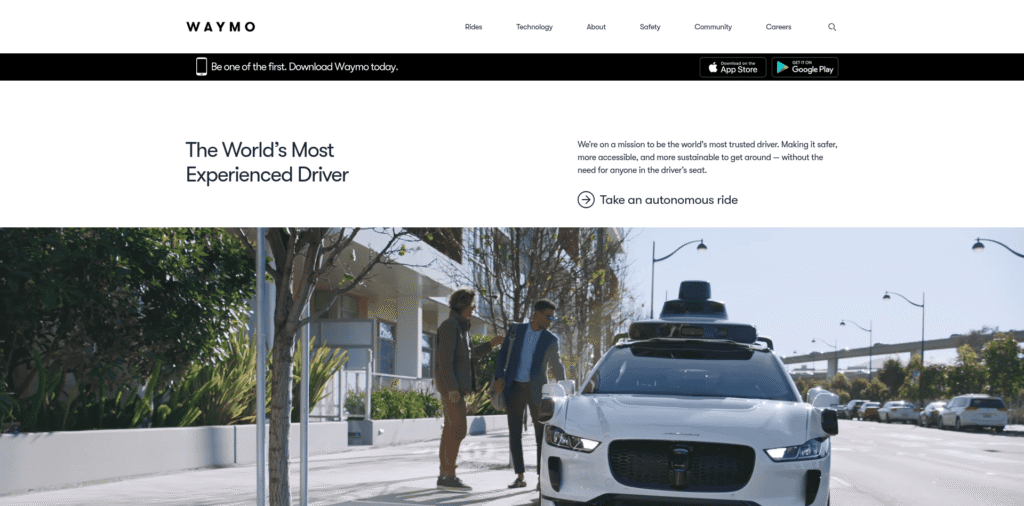
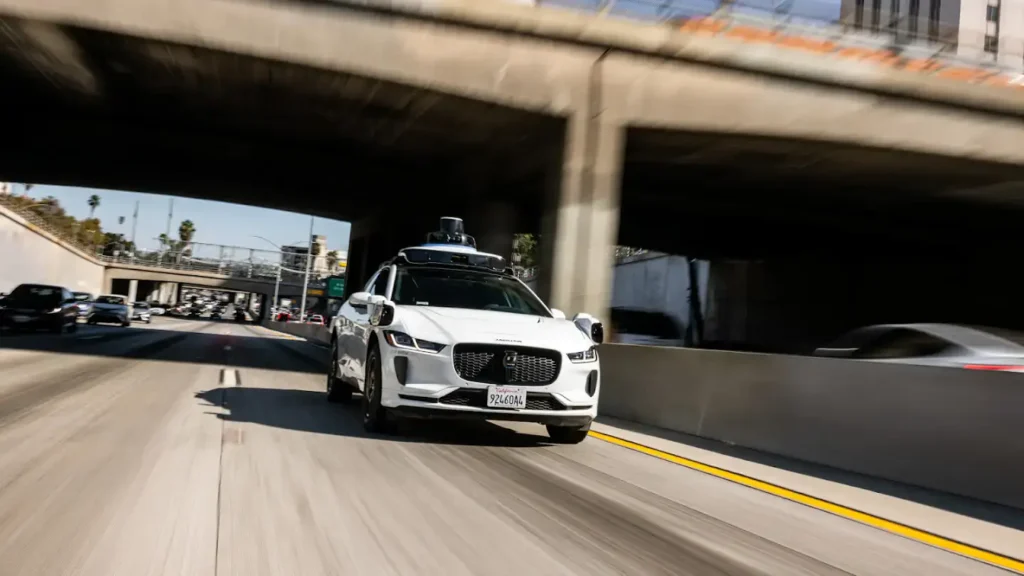
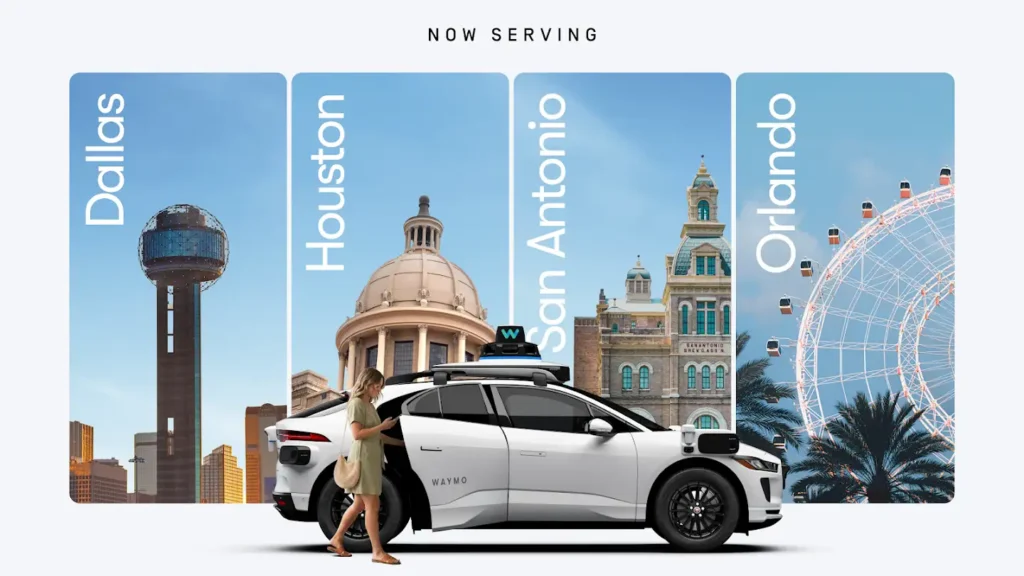
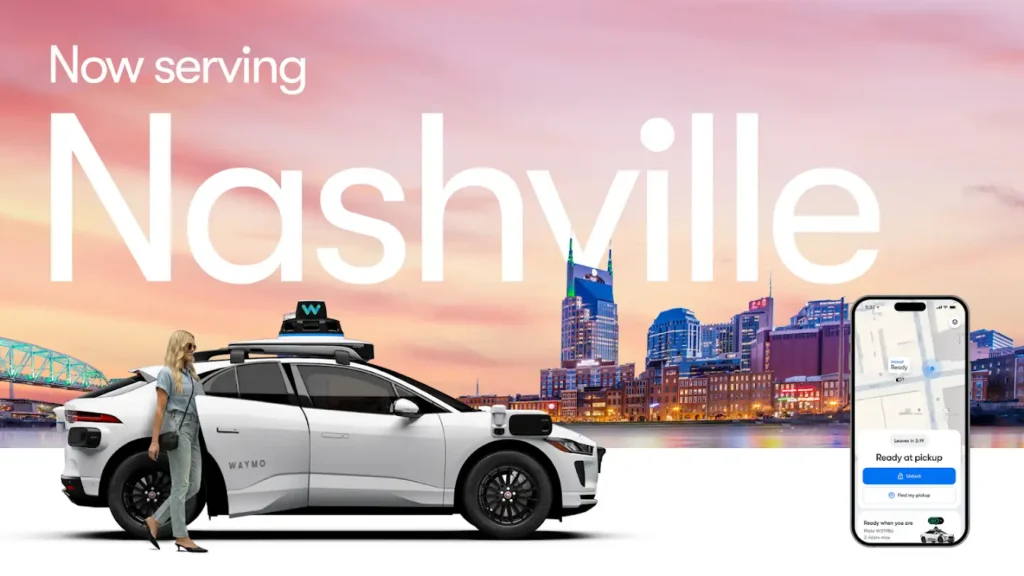
Waymo One is the company’s flagship consumer product: a commercial robotaxi service. Launched initially in the Phoenix metropolitan area and expanding to San Francisco and Los Angeles, Waymo One allows the public to hail rides entirely via an app. These vehicles operate without a human safety driver in the driver’s seat, navigating complex urban environments, unprotected turns, and adverse weather. The service represents a significant milestone in the industry, transitioning autonomous vehicles from controlled test tracks to the unpredictable real world, carrying thousands of passengers weekly.
Safety, Regulation, and the Road Ahead
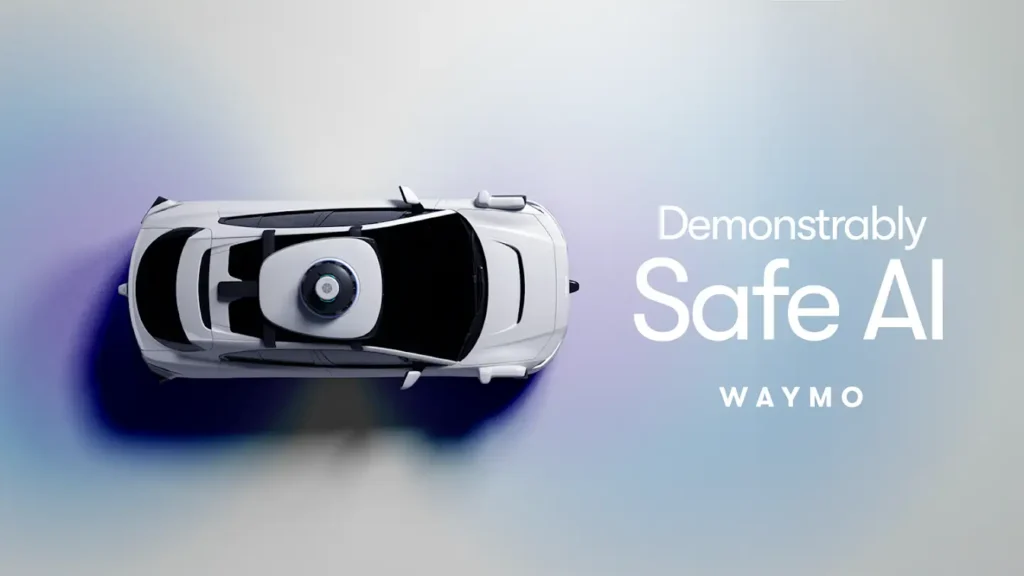
Safety is the paramount metric for Waymo. The company boasts millions of autonomous miles driven and a significantly lower collision rate compared to human drivers in the markets where they operate. Waymo actively engages with policymakers to shape the regulatory landscape for autonomous vehicles, advocating for standards that ensure safety without stifling innovation.
Conclusion
Waymo stands at the forefront of the autonomous revolution. By treating the driver as a scalable software product rather than just a mechanical upgrade, they are not merely building cars; they are reimagining urban mobility, logistics, and the very concept of transportation. As they continue to expand their geographical footprint and service offerings, Waymo remains a defining force in the trajectory toward a driverless future.
Map
Sorry, no records were found. Please adjust your search criteria and try again.
Sorry, unable to load the Maps API.