Profile
igus: Engineering Drylin and Robotic Systems for Low-Friction Automation
igus GmbH, headquartered in Cologne, Germany, is a globally recognized manufacturer specializing in high-performance polymer bearings, cable management systems, and ready-to-install automation solutions. Founded in 1964, igus has pioneered the concept of tribologically optimized plastics-often described as “dry” technology-designed to operate without external lubrication in harsh, dusty, and corrosive environments. While frequently celebrated for its drylin linear guides and chainflex cables, igus has emerged as a formidable player in the robotics market, offering both proprietary robotic systems and the component-level solutions necessary to engineer custom machines.
Robotic Platforms: The “robolink” Ecosystem
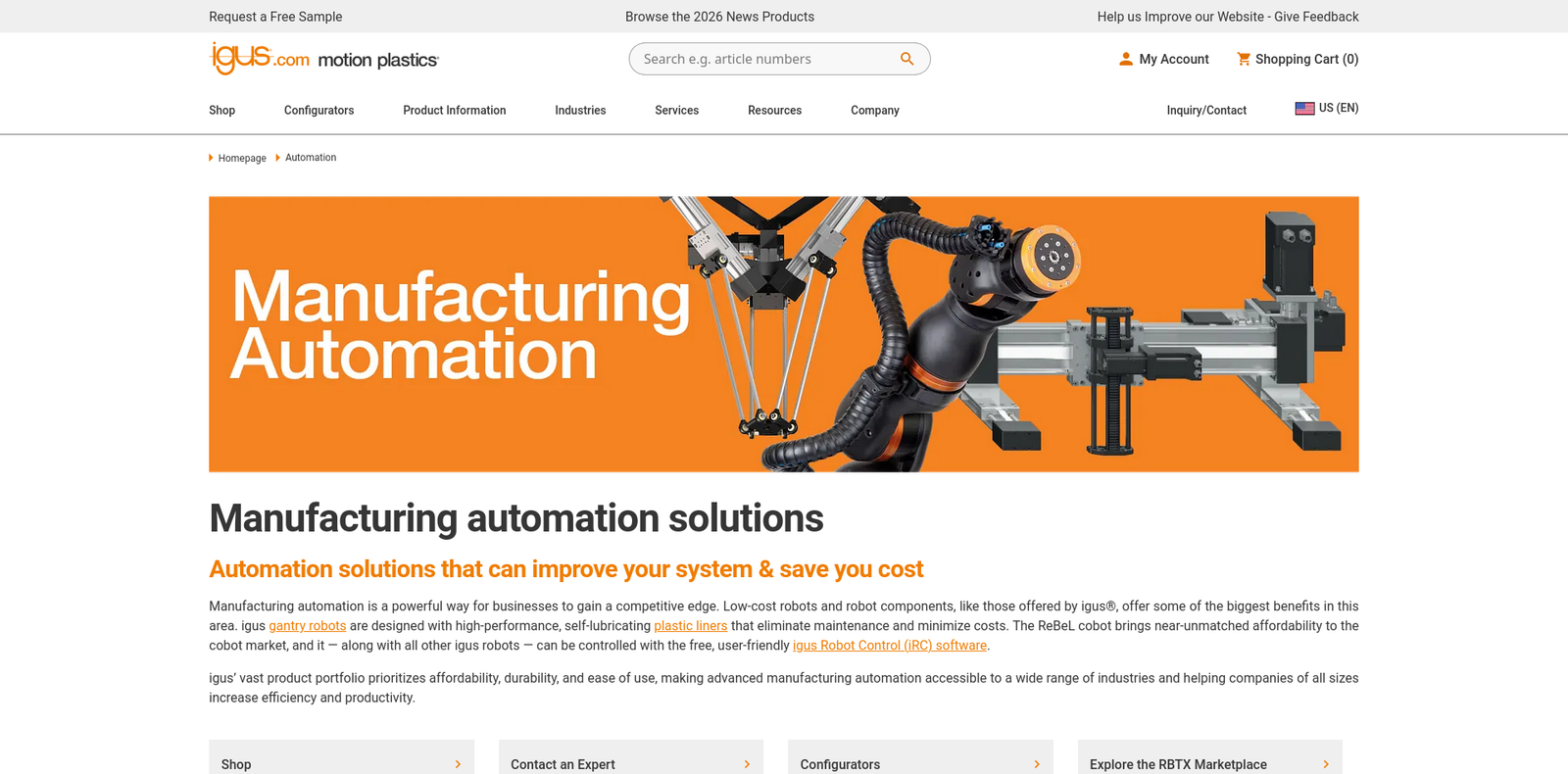
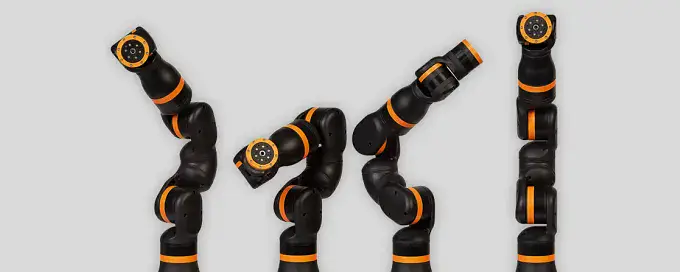
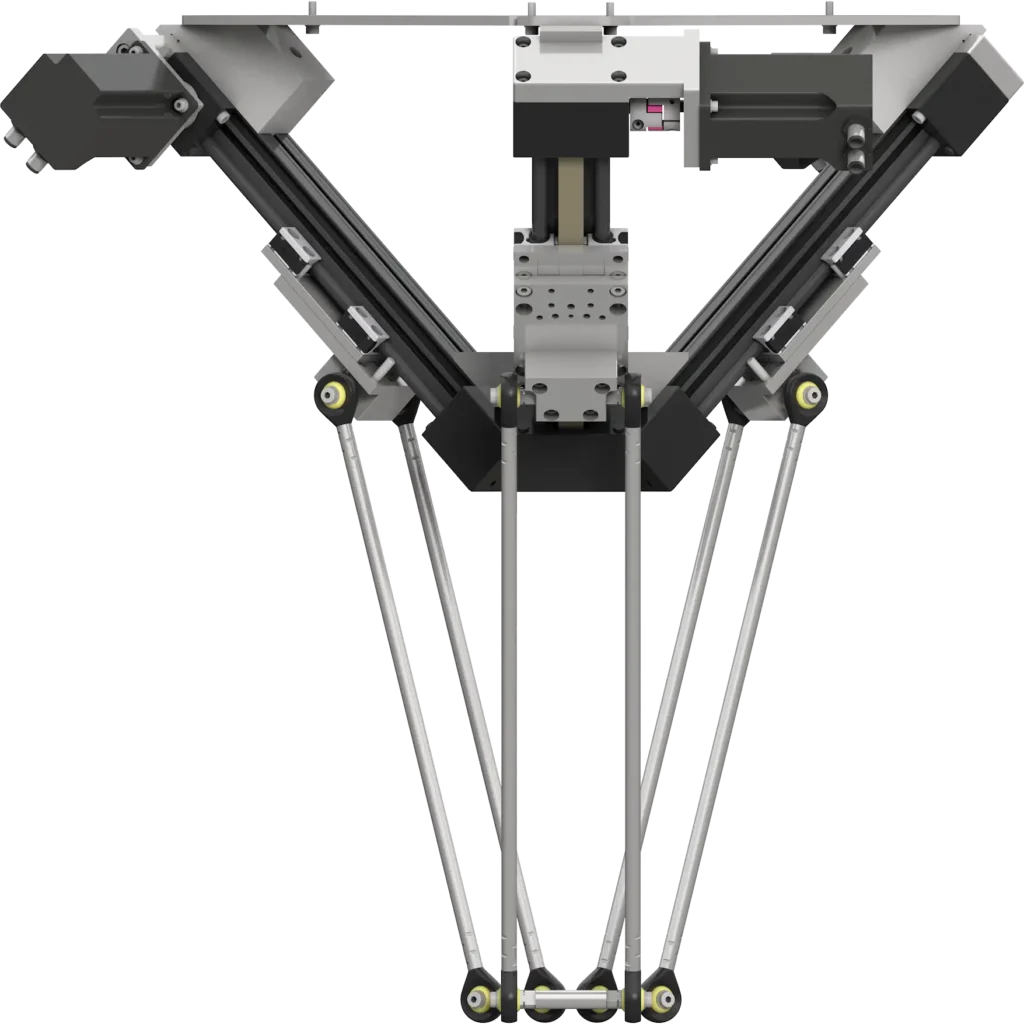
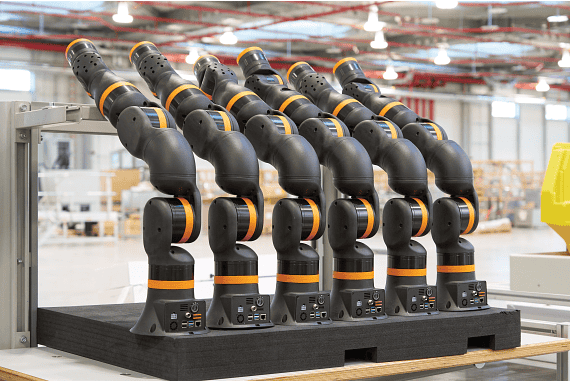
At the center of igus’s automation portfolio is the robolink modular robotic system. Designed as a cost-effective, low-weight alternative to traditional industrial arms, robolink utilizes plastic components, steel cables, and stepper or servo motors to create articulated or delta-style robots. These systems are particularly favored in educational institutions, laboratories, and light industrial applications where payloads are modest but precision and repeatability remain critical. Because robolink arms rely on cable-driven mechanics and polymer joints, they are inherently lightweight, corrosion-resistant, and low-maintenance, capable of operating in washdown environments where metal bearings might corrode or seize.
Linear and Cartesian Robotics
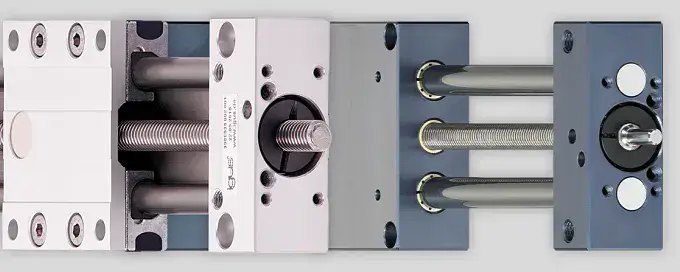
Beyond articulated arms, igus provides drylin linear robots and Cartesian systems-multi-axis configurations built from aluminum or steel frames and self-lubricating sliding or rolling guides. These Cartesian robots excel in pick-and-place operations, material handling, and inspection tasks where straight-line trajectories dominate. By decoupling individual axes, igus allows engineers to scale systems from desktop-sized prototypes to large-scale gantry robots spanning several meters, all while maintaining low friction coefficients and minimal stick-slip behavior.
Enabling Components for Custom Automation
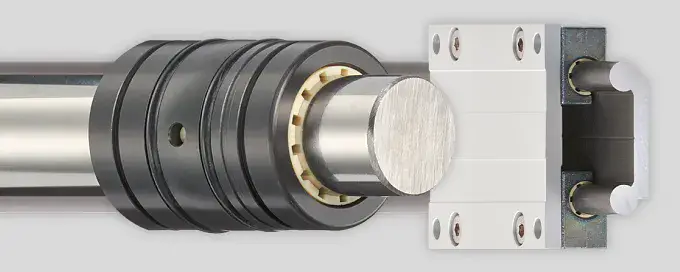
A defining characteristic of igus is its vast catalog of motion plastics that serve as the foundation for third-party robotic designs. Their drylin product line includes linear guides, plain bearings, and ball-bearing systems engineered to withstand millions of cycles without grease. E-chain systems (energy chains) protect robotic power and data cables from torsion, abrasion, and tangling, a critical concern in continuously rotating robotic joints and high-speed pick-and-place arms. Additionally, igus stepper motors, encoders, and control electronics are often integrated into turnkey systems, simplifying procurement for system integrators.
Industry Applications and Market Fit
igus robots and components target industries where environmental robustness and total cost of ownership outweigh the need for extreme speed or heavy payloads. In laboratory automation, drylin guides and robolink arms handle repetitive pipetting and sample sorting in chemically aggressive or humid atmospheres. In packaging and electronics, lightweight Cartesian systems perform precise assembly and testing without contaminating cleanrooms with lubricant aerosols. The food and pharmaceutical sectors benefit from stainless-steel variants capable of surviving high-pressure washdown cycles without corrosion or lubricant leakage.
Digitalization and the “factory of the future”
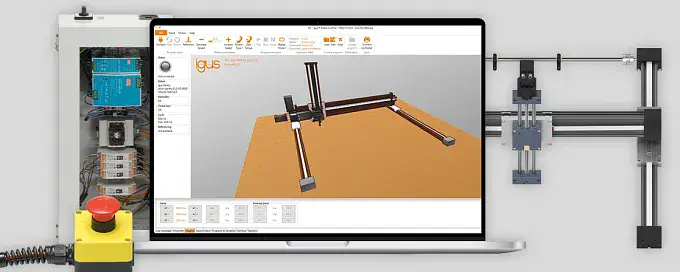
Recently, igus has expanded its offerings into digital twinning and condition monitoring. Through igusGO and online configurators, engineers can design, simulate, and order robotic systems without leaving their browsers. By incorporating smart sensors into bearings and cables, igus is moving toward predictive maintenance-monitoring wear and friction in real time to schedule replacements before failure occurs, thereby maximizing uptime in automated cells.
Sustainability and Business Model
The igus business model itself reinforces sustainability: by eliminating grease and oil from motion systems, robots built with drylin and robolink components minimize environmental contamination and reduce hazardous waste streams. Moreover, the company’s heavy reliance on engineering plastics reduces weight and energy consumption during robot operation, aligning with broader decarbonization goals in manufacturing.
In summary, igus may not manufacture the heavyweight industrial arms seen in automotive stamping lines, but its specialization in lightweight, lubrication-free automation fills critical niches in modern robotics. Through robolink arms, drylin guides, and intelligent motion plastics, igus provides the durable, low-friction infrastructure that enables robots to thrive in environments too hostile or sensitive for traditional metal-and-grease machinery.


Map
Sorry, no records were found. Please adjust your search criteria and try again.
Sorry, unable to load the Maps API.