Profile
ESA Human and Robotic Exploration: Pioneering Europe’s Path into Deep Space
The European Space Agency (ESA) serves as Europe’s gateway to space, coordinating the collective resources, expertise, and ambitions of 22 member states to advance human and robotic exploration beyond Earth’s orbit. Headquartered in Paris, with the European Astronaut Centre (EAC) in Cologne, Germany, and the ESTEC technical center in Noordwijk, Netherlands, ESA operates as a collaborative framework that pools European technological capabilities to achieve what no single nation could accomplish alone. The Human and Robotic Exploration program represents ESA’s strategic commitment to extending humanity’s presence into the Solar System through synergistic partnerships with agencies like NASA, Roscosmos, JAXA, and commercial entities.
Gateway Contributions and Lunar Exploration
ESA plays a critical role in the Lunar Gateway program, contributing the ESPRIT (European System Providing Refueling, Infrastructure and Telecommunications) module and the HALO (Habitation and Logistics Outpost) habitat module. These components will establish a permanent human-tended outpost in lunar orbit, serving as a staging point for surface expeditions and deep-space missions. The ESPRIT module will provide crucial refueling capabilities, enhanced communications, and additional living quarters, while HALO offers primary living space for astronauts conducting Gateway operations.
The Argonaut program represents ESA’s ambitious initiative to develop a European Large Logistic Lander (EL3/Argonaut) capable of delivering up to 2,000 kg of cargo to the lunar surface. This autonomous robotic system will transport scientific instruments, habitats, rovers, and supplies to support sustained human presence on the Moon, potentially launching on Ariane 6 or future heavy-lift vehicles.
Human Spaceflight and Astronaut Operations
Through the European Astronaut Corps, ESA maintains a cadre of highly trained professionals who participate in International Space Station missions, conduct spacewalks, and prepare for future lunar and Mars missions. The agency’s astronauts collaborate across international crews, conducting scientific research and technology demonstrations that advance human capabilities in microgravity and deep-space environments. ESA astronauts like Samantha Cristoforetti, Alexander Gerst, and Matthias Maurer have completed long-duration ISS missions, while newer selections prepare for Gateway and lunar surface missions under the Artemis program.
Robotic Precursors and Mars Exploration
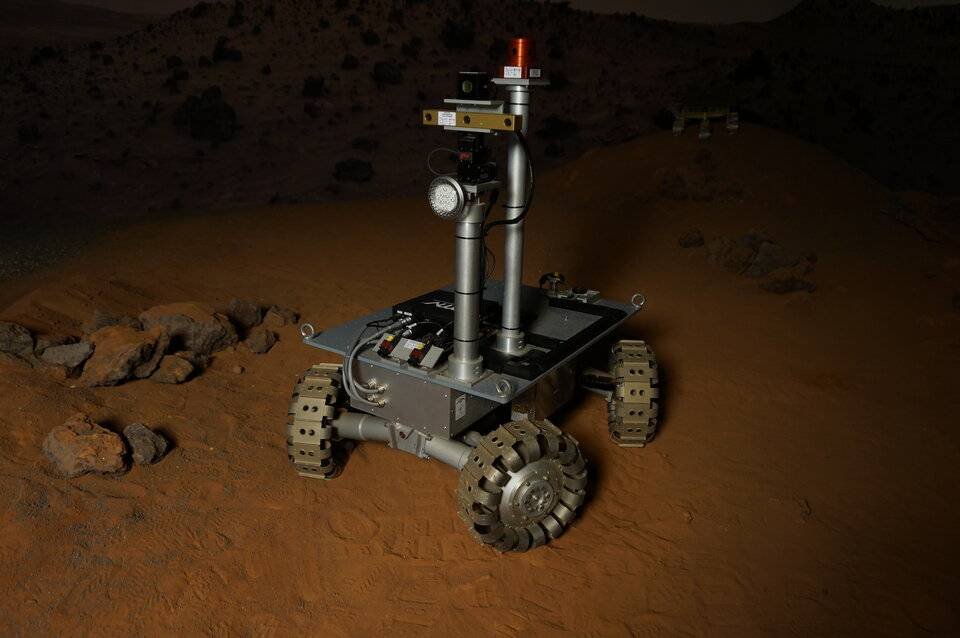
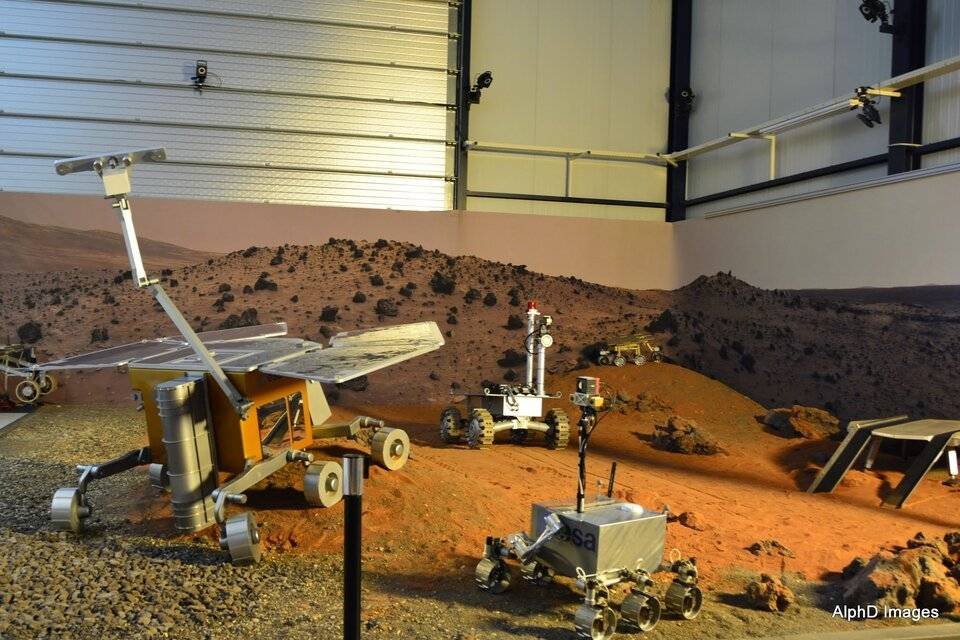
ESA’s robotic exploration portfolio demonstrates European excellence in autonomous systems and planetary science. The ExoMars program, featuring the Rosalind Franklin rover (developed by Airbus Defence and Space), represents a cornerstone of Mars exploration. This sophisticated mobile laboratory will drill up to two meters below the Martian surface to search for signs of past or present life, equipped with advanced analytical instruments and autonomous navigation capabilities developed through DLR collaboration.
The agency also contributes critical components to NASA’s Mars Sample Return campaign, providing the Earth Return Orbiter (ERO) and Sample Transfer Arm for retrieving Martian samples collected by the Perseverance rover. These robotic systems will autonomously capture, contain, and transport extraterrestrial material back to Earth-a historic first in space exploration history.
Technology Development and Innovation
ESA’s Exploration Programme invests heavily in enabling technologies for sustained human presence beyond Earth. The Moon Village concept, championed by former ESA Director General Johann-Dietrich Wörner, envisions an international collaborative settlement on the lunar surface utilizing in-situ resource utilization (ISRU), 3D printing, and modular habitat technologies. European research focuses on regolith processing for oxygen and water extraction, radiation shielding solutions, and closed-loop life support systems.
The Terrae Novae exploration strategy encompasses lunar, Mars, and asteroid missions, developing autonomous robotics, advanced propulsion systems, and human-rated spacecraft like the Orion European Service Module-which provides power, propulsion, thermal control, and life support for NASA’s Orion spacecraft during Artemis missions.
International Collaboration and Commercial Partnerships
ESA’s exploration strategy emphasizes multilateral cooperation and public-private partnerships. The agency collaborates with commercial entities through programs like Boost! (Commercial Cargo to the Moon) to develop lunar logistics services, while partnerships with companies like Thales Alenia Space, Airbus, and OHB System integrate private innovation into government-led exploration architectures.
Through these comprehensive efforts, ESA positions Europe as an indispensable partner in humanity’s next giant leaps-establishing sustainable exploration infrastructure, advancing scientific discovery, and inspiring future generations to pursue careers in science, technology, engineering, and mathematics. The synergy between human ambition and robotic capability enables ESA to extend European presence and values into the cosmos, ensuring that space exploration benefits all humankind.

Map
Sorry, no records were found. Please adjust your search criteria and try again.
Sorry, unable to load the Maps API.