Profile
IEEE Robotics: Advancing Technology Through Standards, Research, and Innovation
The Institute of Electrical and Electronics Engineers (IEEE) stands as one of the world’s most influential organizations in robotics and automation, driving technological advancement through comprehensive standards development, cutting-edge research publication, and global collaboration. With over 420,000 members across 160 countries, IEEE serves as the backbone of innovation in electrical engineering, computer science, and robotics.
Standards Development: Ensuring Safety and Interoperability
IEEE’s Standards Association plays a pivotal role in robotics by developing critical safety and interoperability standards. The IEEE 1789 standard addresses flicker in LED lighting—a seemingly minor detail that significantly impacts human-robot interaction comfort. More substantially, IEEE 3095 provides comprehensive guidelines for ethical considerations in autonomous systems, establishing frameworks for responsibility and accountability in robot decision-making processes.
The organization also develops communication protocols essential for multi-robot systems and human-robot interaction. These standards ensure that robots from different manufacturers can work together seamlessly, enabling collaborative robotics environments in manufacturing, healthcare, and service industries.
Publications and Research Leadership
Through its extensive journal portfolio, IEEE publishes groundbreaking robotics research in venues like the IEEE Transactions on Robotics, Robotics and Automation Letters, and the IEEE Journal of Robotics and Automation. These publications serve as the primary dissemination channels for innovations in areas including:
Industrial automation and collaborative robots (cobots)
Medical and surgical robotics
Autonomous vehicles and drones
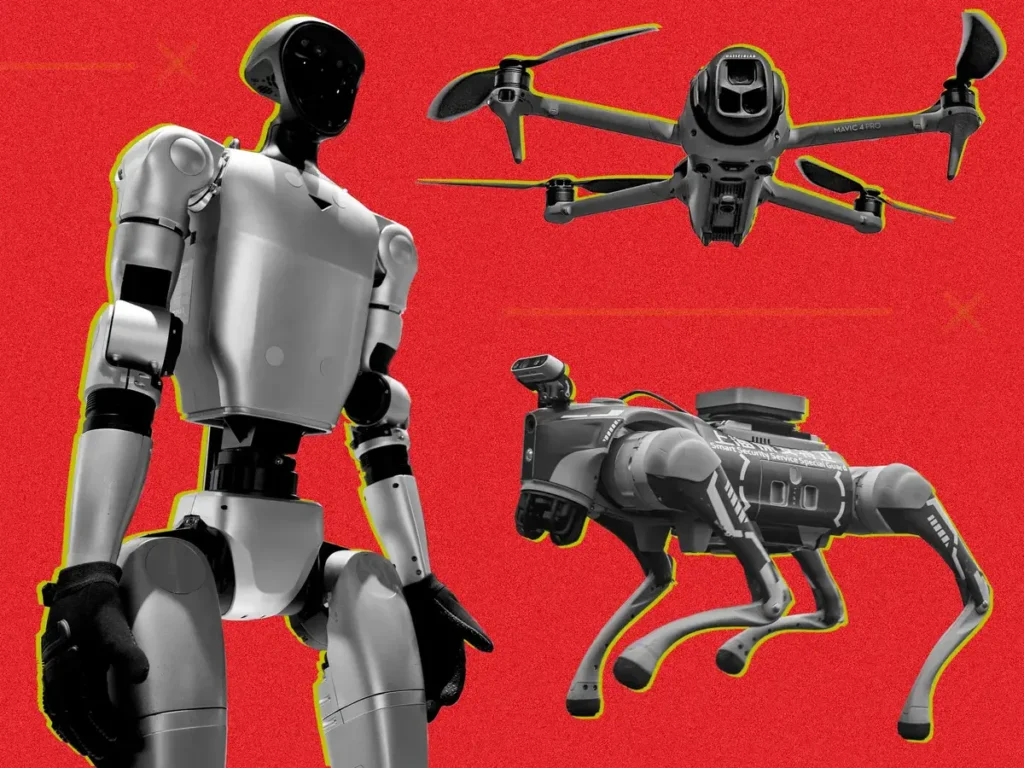
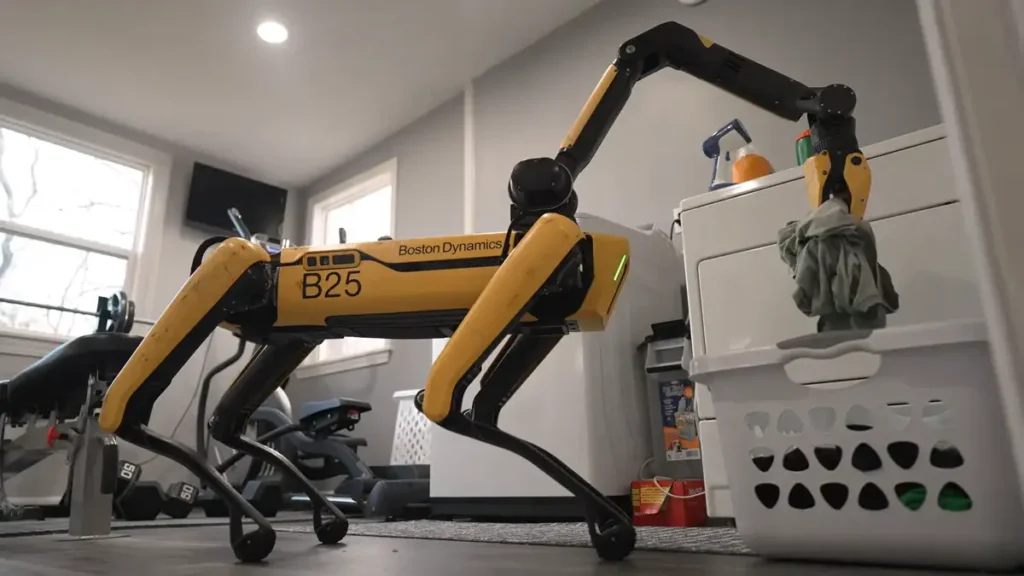
Humanoid and legged robots
Soft and bio-inspired robotics
The IEEE Robotics and Automation Society, with over 10,000 members globally, represents the largest professional community dedicated to robotics research, fostering collaboration between academia, industry, and government institutions.
Conferences and Educational Initiatives
IEEE hosts premier robotics conferences including the International Conference on Robotics and Automation (ICRA), the world’s largest robotics conference, and the IEEE-RAS International Conference on Intelligent Robots and Systems (IROS). These events attract thousands of researchers annually, creating vital networks for knowledge exchange and future collaborations.
Educational initiatives include standardized curricula for robotics engineering programs, professional development courses, and open-access educational resources. The IEEE Standards Education program ensures engineers understand critical safety and performance requirements when implementing robotic systems.
Future Vision and Emerging Technologies
Looking ahead, IEEE focuses on emerging areas including swarm robotics, artificial intelligence integration, and quantum robotics. The organization actively participates in developing ethical frameworks for AI-driven robots, addressing concerns about privacy, security, and societal impact.
IEEE’s work extends beyond technical specifications to encompass policy development, ensuring robotic technologies benefit society while minimizing risks. Their initiatives in cyber-physical systems security and resilience standards protect critical infrastructure increasingly dependent on robotic automation.
By maintaining technical excellence while promoting ethical development, IEEE continues shaping the future of robotics, ensuring these transformative technologies advance human welfare and technological progress worldwide.
Organization Overview
Founded in 1963 via the merger of the 1884-established American Institute of Electrical Engineers (AIEE) and the 1912-established Institute of Radio Engineers (IRE), IEEE is the world’s largest technical professional association, headquartered in Piscataway, New Jersey. As of April 2026 (the current date), it counts over 420,000 members in 160+ nations, including researchers, engineers, and students working across electronics, computer science, and robotics. Its core mission is to “advance technology for the benefit of humanity” through standards development, peer-reviewed publishing, educational programming, and technical community building. It is a 501(c)(3) non-profit organization, not a commercial company, so it does not generate revenue via product sales. IEEE also advises national governments and the UN on robotics safety and ethics policy, shaping global regulations for autonomous systems.
Robotics-Related Initiatives (No Commercial Robot Products)
A common misconception is that IEEE produces commercial robot hardware or software; all robotics-focused outputs are academic, standards-based, or educational resources for the global technical community:
Standards Development: The IEEE Standards Association (IEEE SA) publishes industry-adopted robotics standards that reduce cross-vendor interoperability issues and ensure safety.
Key examples include:
IEEE 1872-2015: Standard Ontologies for Robotics and Automation, which defines common terminology for robot systems.
IEEE 7007-2021: Standard for Ethical Considerations in Artificial Intelligence and Autonomous Systems, which sets guidelines for ethical robot design to prevent bias or harm.
IEEE 1012-2016: Standard for System, Software, and Hardware Verification and Validation, critical for safety-certified industrial and medical robots.
Technical Publications and Conferences: The IEEE Robotics and Automation Society (RAS), the association’s largest technical society, publishes top-tier robotics journals including IEEE Transactions on Robotics and IEEE Robotics and Automation Letters. It also hosts two flagship annual conferences: the IEEE International Conference on Robotics and Automation (ICRA) and the IEEE/RSJ International Conference on Intelligent Robots and Systems (IROS), which draw over 12,000 combined attendees annually to present cutting-edge robot research.
Educational and Competitive Programs: IEEE offers robotics certification tracks via the IEEE Learning Network, publishes the IEEE Robotics and Automation Magazine, and runs global student robotics competitions including the IEEE Robotics Challenge, which engages 50,000+ student participants across 40 countries each year.



Map
Sorry, no records were found. Please adjust your search criteria and try again.
Sorry, unable to load the Maps API.