Profile
M5Stack: Modular, Stackable Ecosystems for Streamlined IoT and Edge Computing
Founded in 2015 and headquartered in Shenzhen, China, M5Stack has rapidly ascended to become a globally recognized name in the embedded systems and IoT industries. The company’s core philosophy revolves around a brilliantly simple yet highly effective mechanical and electrical concept: “Stackable IoT Building Blocks.” By designing core controllers and peripheral modules in standardized, square enclosures that magnetically attach and connect via robust pogo-pins, M5Stack eliminates the messy tangles of jumper wires, breadboards, and complex soldering that traditionally plague rapid prototyping. This approach provides professional engineers, educators, and hobbyists with a highly agile toolkit to transition seamlessly from a bare concept to a rugged, deployable product.
The Hardware Ecosystem: Form, Function, and Flexibility
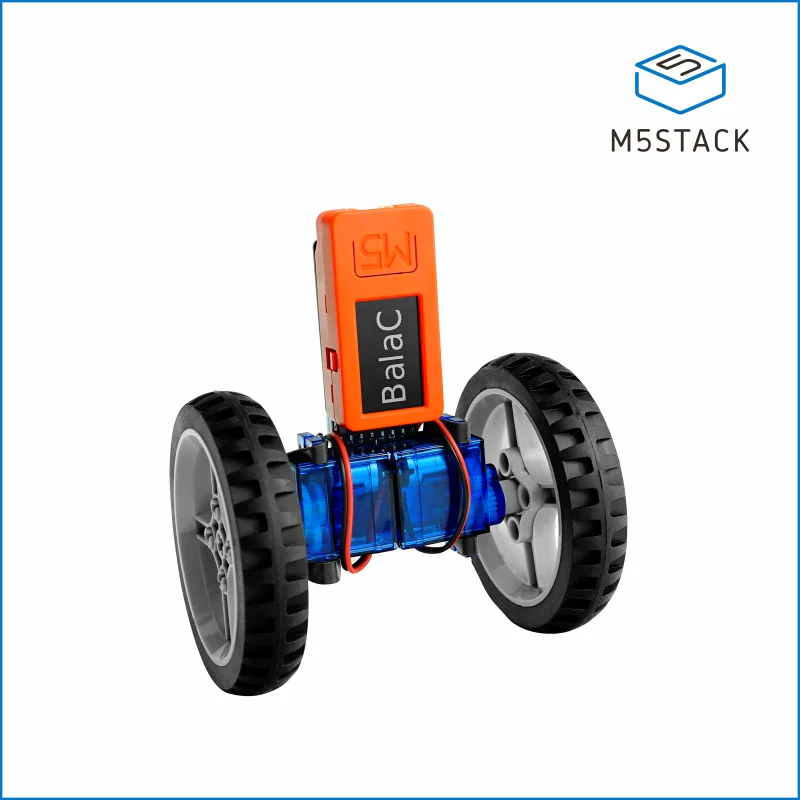
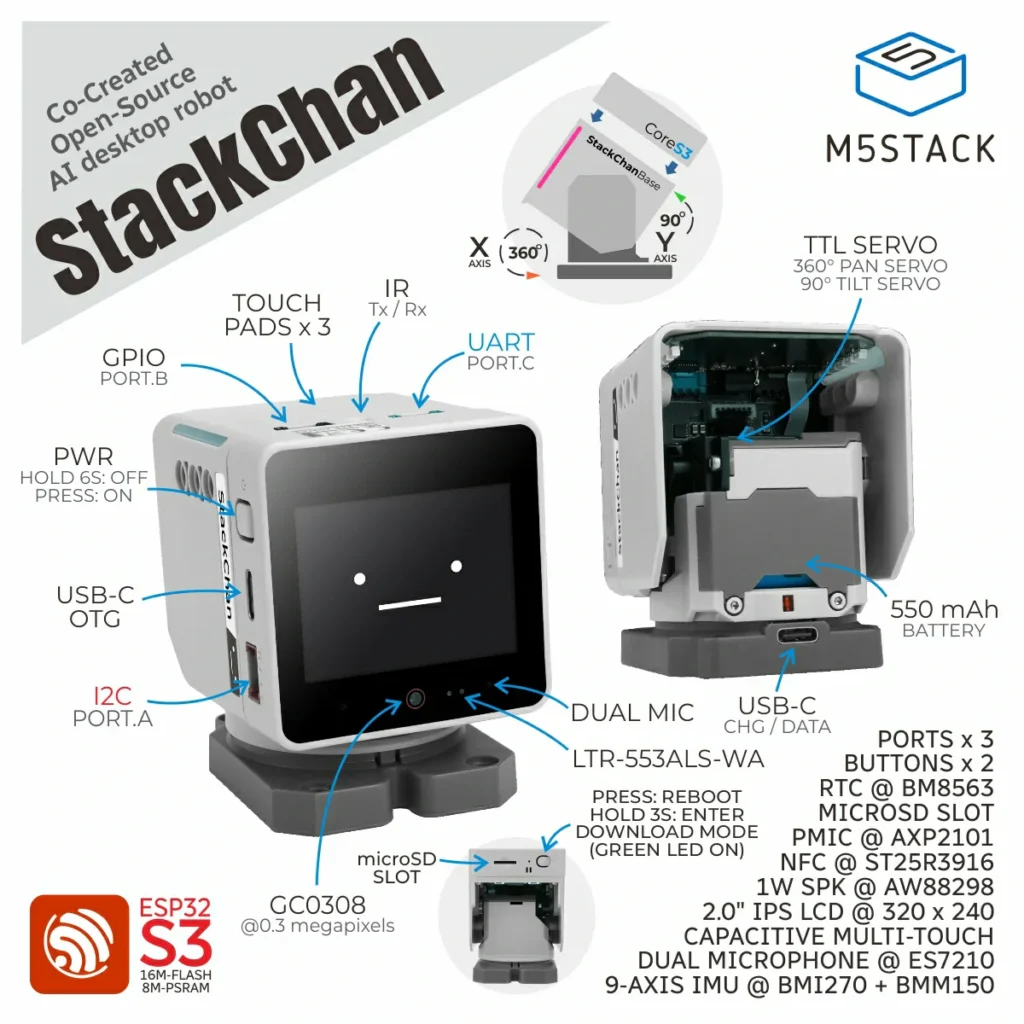
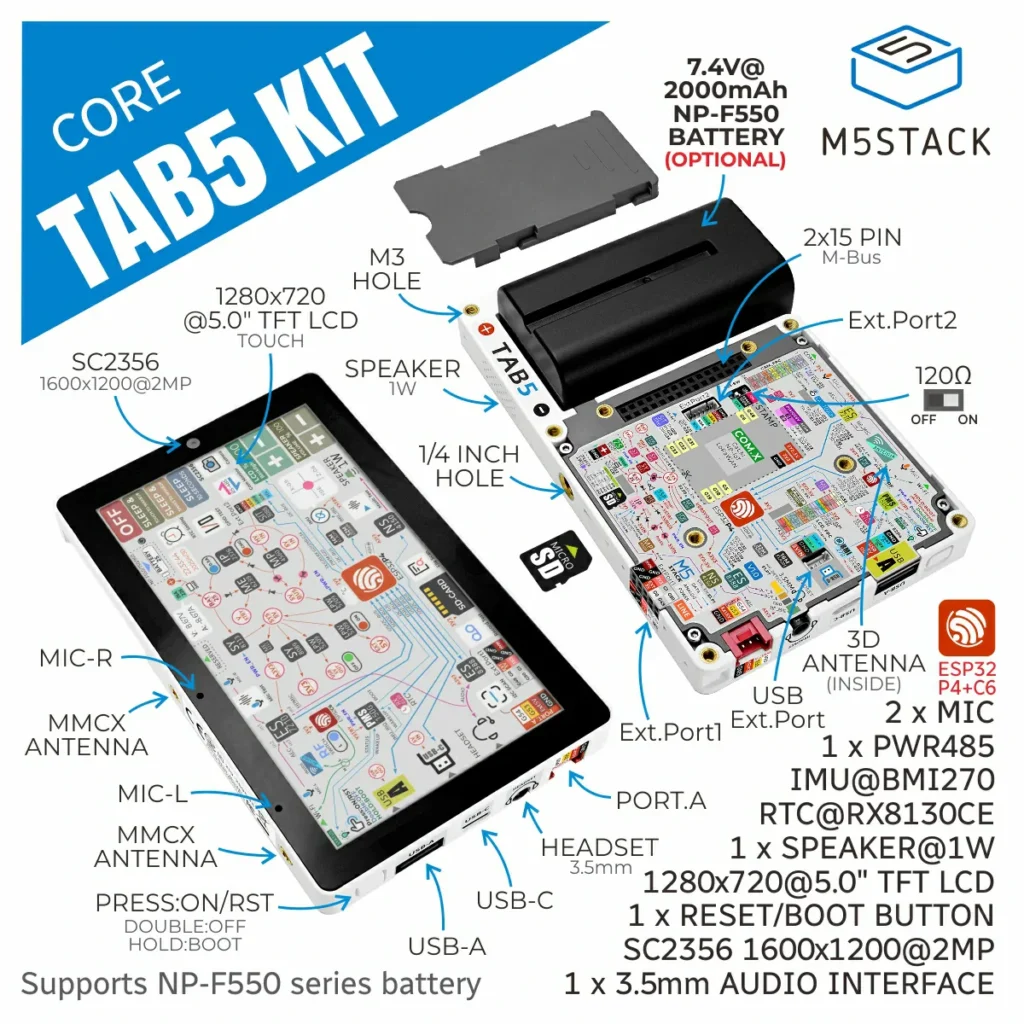
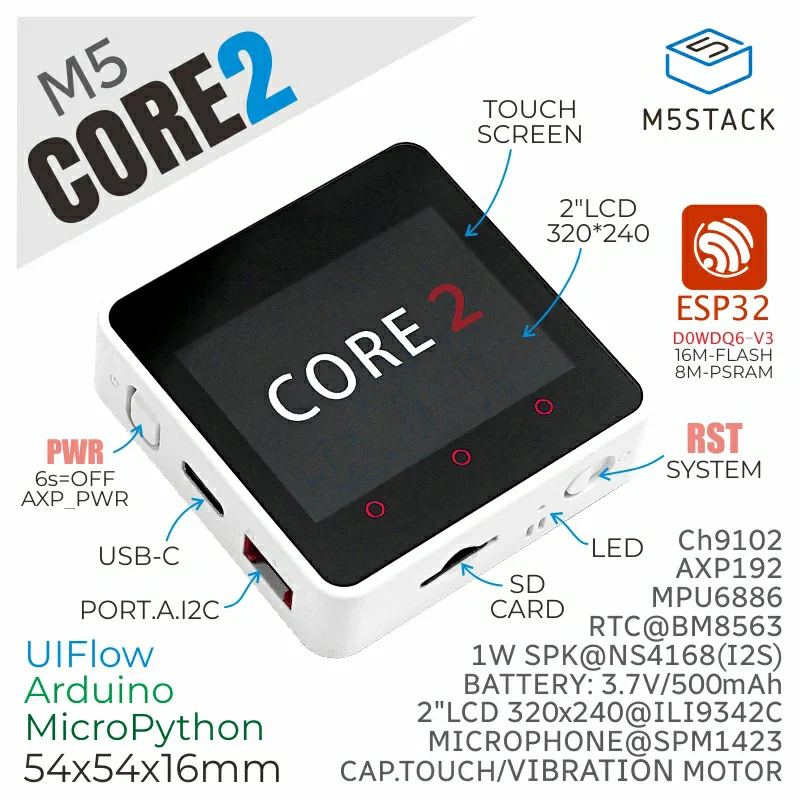
At the heart of the M5Stack ecosystem is its flagship line of modular controllers, primarily based on the ubiquitous ESP32 microcontroller. Devices like the M5Stick, M5Core, and M5Atom feature integrated power management, USB-C connectivity, and embedded displays on a single, Lego-like base unit. Users can dramatically expand functionality by snapping on “Stack” modules—such as GPS receivers, LoRa transceivers, environmental sensors, or camera modules—or “Unit” sub-modules for highly specific tasks like measuring soil moisture or detecting gestures.
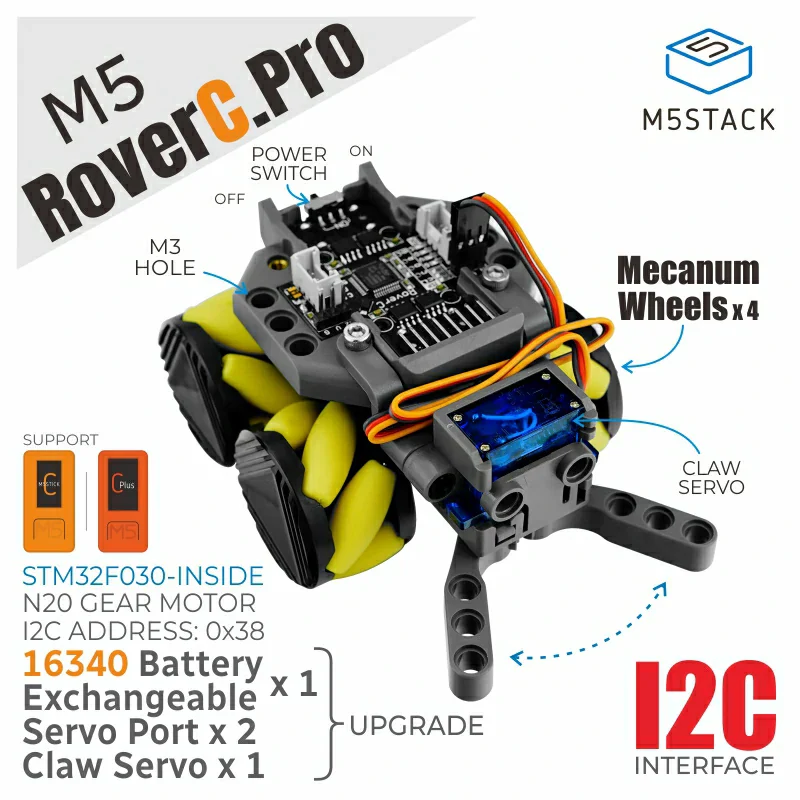
This plug-and-play architecture is not merely for prototyping; it is engineered for production. The anodized aluminum casings and standardized form factors allow developers to design a prototype on a desk on Monday, and deploy a weatherproof, field-ready environmental monitoring station on a factory floor or farm by Friday. Furthermore, M5Stack bridges the gap between low-level hardware and high-level application development by offering advanced modules outfitted with microcontrollers like the RP2040 or STM32, enabling users to offload heavy computing tasks or run independent real-time operations alongside their main logic processor.
Software Integration and Developer Accessibility
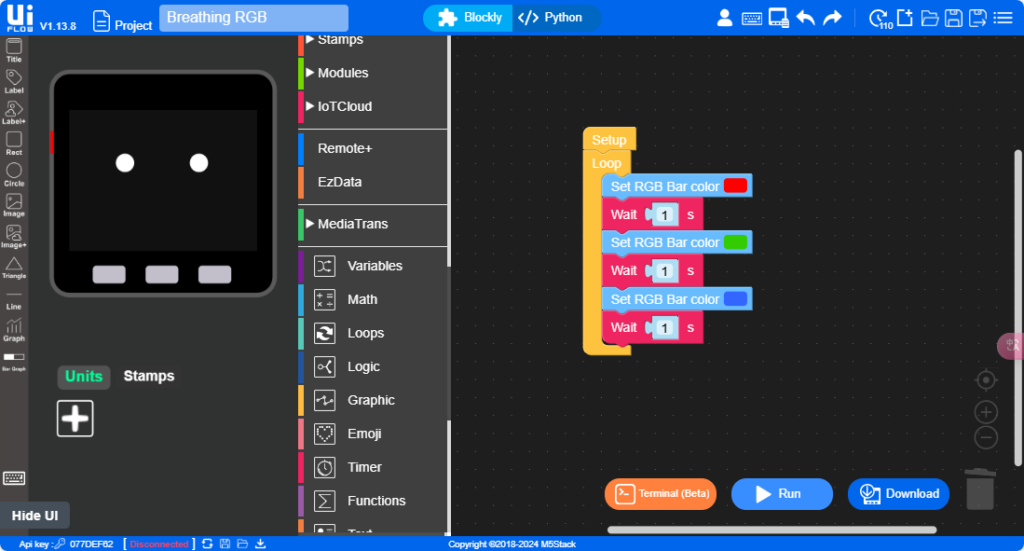
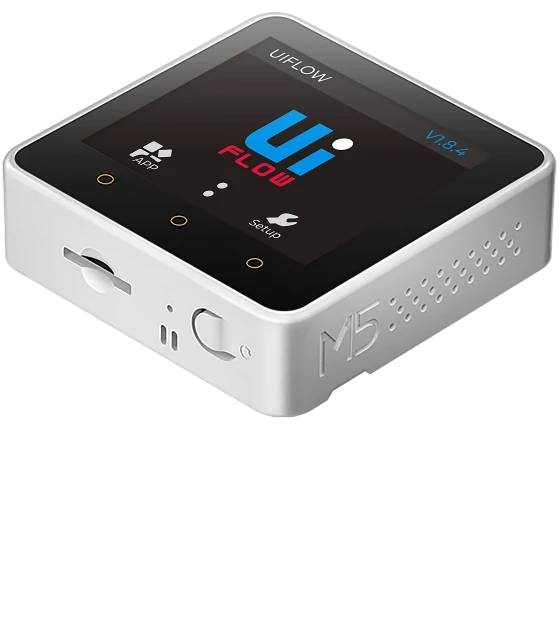
Hardware is only as powerful as the software that drives it, and M5Stack excels in providing a frictionless development experience. The company heavily supports UIFlow, a revolutionary low-code/no-code visual programming environment based on Google’s Blockly. UIFlow allows beginners or non-programmers to assemble complex IoT logic, graphical user interfaces, and machine-learning routines through intuitive drag-and-drop blocks, which can then be deployed over-the-air (OTA) to the devices.
Simultaneously, M5Stack maintains deep compatibility with professional, text-based development environments. Full support for Arduino IDE, MicroPython, and ESP-IDF ensures that seasoned developers can leverage the full, unbridled capabilities of the underlying hardware, register mapping, and custom firmware. This dual-tier software strategy successfully caters to a massive demographic, from elementary school students learning their first lines of code to veteran engineers designing commercial-grade industrial automation systems.
Edge Computing, AI, and Industry 4.0
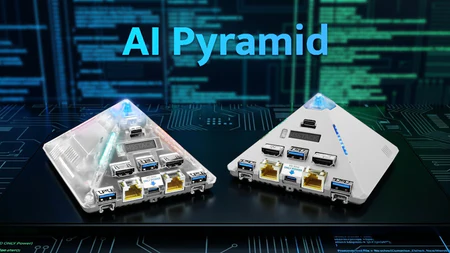
In recent years, M5Stack has aggressively expanded its footprint into Edge AI and industrial automation. By integrating machine learning accelerators and advanced vision modules into their stackable formats, they empower developers to deploy localized artificial intelligence. For instance, an M5Stack device equipped with a camera module can be programmed to use TinyML to identify defective products on an assembly line or recognize authorized personnel, all without sending sensitive data to a public cloud, thereby enhancing privacy and reducing latency.
Their hardware is increasingly tailored for smart agriculture, smart cities, and IIoT (Industrial Internet of Things), featuring robust communication protocols like NB-IoT, LoRaWAN, and Matter. This allows disparate, low-power sensors to communicate effectively within massive, decentralized smart environments.
Conclusion
M5Stack represents the evolution of the modern tinkerer’s toolkit into a scalable, enterprise-ready ecosystem. By standardizing the chaotic nature of hardware prototyping into elegant, interlocking modular cubes, the company has drastically lowered the barrier to entry for IoT and edge computing innovation. Whether utilized in a university lab, a smart-home workshop, or a heavy-industry manufacturing plant, M5Stack provides the flexible, reliable, and highly extensible foundation required to build the interconnected, intelligent devices of tomorrow.
Map
Sorry, no records were found. Please adjust your search criteria and try again.
Sorry, unable to load the Maps API.