Profile
Kawasaki Robotics: Heavy-Duty Precision Engineering for Global Automation
Kawasaki Robotics, a division of the sprawling multinational conglomerate Kawasaki Heavy Industries (KHI), represents one of the oldest and most formidable forces in industrial automation. With roots tracing back to Japan’s post-war industrial boom, Kawasaki established its robotics division in 1969—making it one of the world’s very first industrial robot manufacturers. Unlike startups focused on humanoid research or educational playthings, Kawasaki operates in the realm of heavy industry, designing rugged, high-precision machinery that forms the backbone of global manufacturing, logistics, and materials handling. Headquartered in Japan but operating a significant North American hub (the entity referenced by kawasakirobotics.com), the company brings decades of metallurgical and mechanical expertise to the factory floor.
Core Product Portfolio
Kawasaki’s catalog is built for endurance and load capacity. Their lineup spans the spectrum of industrial articulations:
SCARA Robots (KS Series): Designed for high-speed, planar assembly, these “Selective Compliance” arms excel in electronics manufacturing, where rapid, repetitive pick-and-place and screw-driving are essential.
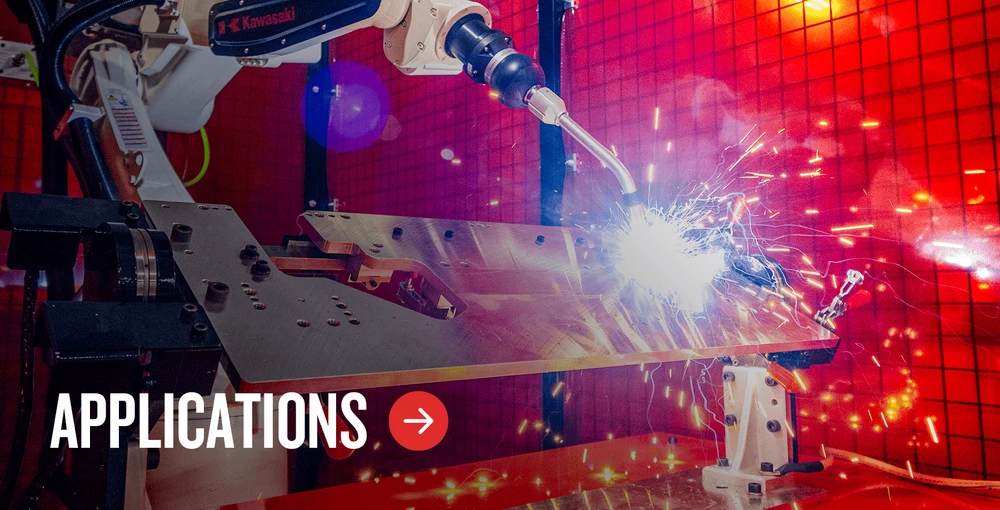
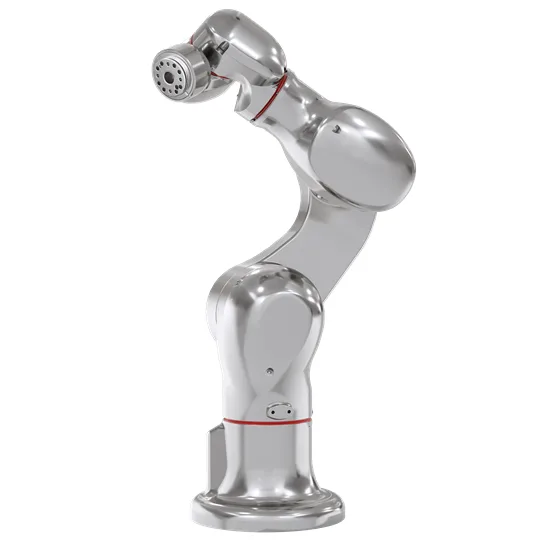
6-Axis Articulated Robots: The workhorses of modern plants, these versatile arms handle everything from automotive welding and painting to complex machine tending and packaging.
Heavy-Duty Robots (e.g., the “F” Series): Built for forging, die casting, and heavy payload transfer, these machines feature thick cast iron arms and gearboxes designed to withstand extreme heat, vibration, and continuous operation.
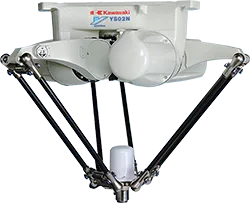
Delta Robots: Ultra-lightweight, spider-like mechanisms used for ultra-high-speed sorting and packaging, common in food and pharmaceutical industries.
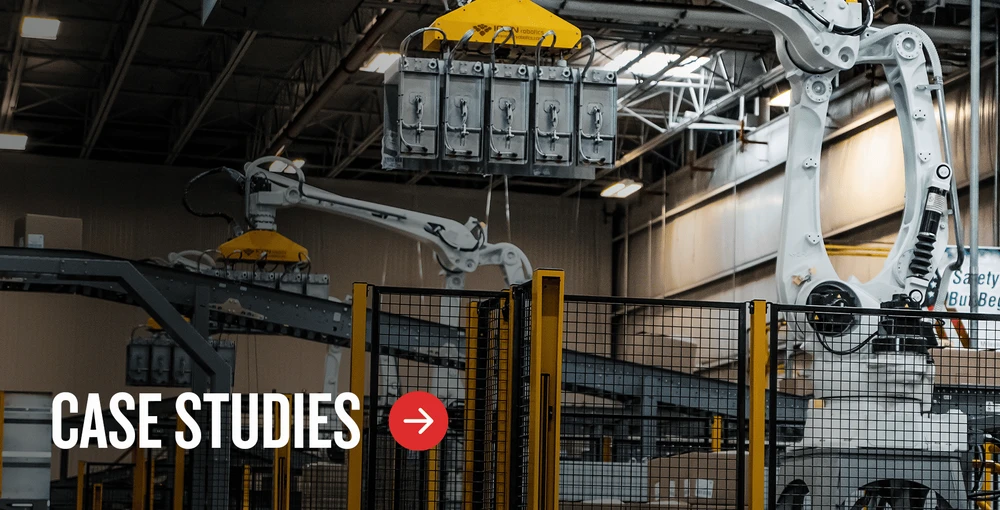
Palletizers and Parallel Link Robots: Specialized top-loading and pallet-stacking systems that maximize logistics efficiency in warehouses and shipping bays.
Technological Foundation and Integration
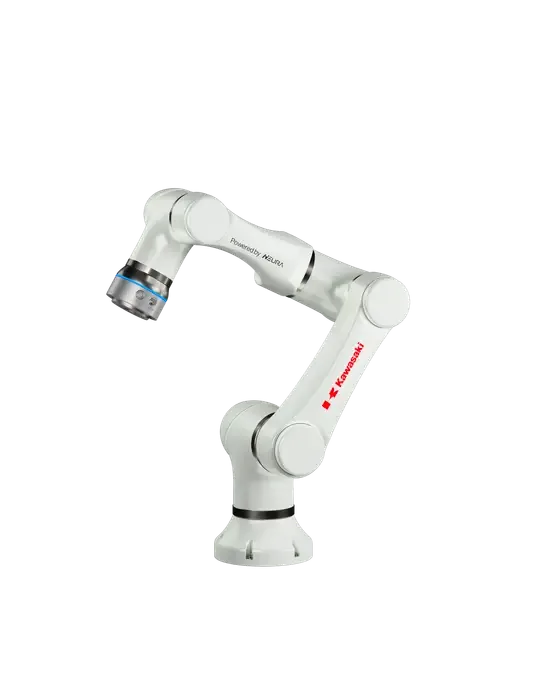
What distinguishes Kawasaki is not just the motors, but the system-level integration. Their robots run on the Zebra controller family, supporting intuitive programming interfaces (like BLOCK and AS languages) alongside modern PC-based options and offline 3D simulation. Crucially, Kawasaki has aggressively embraced collaborative robotics. Models like the duAro (dual-arm SCARA) and F Series offer “cobot” capabilities, featuring force-sensing, collision detection, and simplified hand-guiding. This allows humans to share workspace without traditional safety cages, democratizing automation for small-to-medium enterprises (SMEs) that lack large footprints or extensive safety infrastructure. The company also integrates IoT connectivity and AI-driven predictive maintenance, feeding real-time torque, temperature, and cycle data to cloud dashboards to prevent downtime before it occurs.
Industry Footprint and Market Position
Kawasaki’s dominance is most visible in automotive and electronics sectors, where their robots weld chassis with sub-millimeter accuracy and assemble delicate micro-circuits at blinding speeds. They are also critical in food processing and life sciences, where stainless-steel variants meet stringent hygiene standards. Competitors like FANUC and Yaskawa share this market, but Kawasaki differentiates through cost-performance balance and specialized heavy-payload solutions. While Japanese peers often command premium pricing, Kawasaki leverages the vertical integration of KHI—manufacturing their own reducers, motors, and control boards—to offer competitive pricing without sacrificing reliability.
The Future of Kawasaki Robotics
As labor shortages grip aging economies, Kawasaki is pivoting toward “easy automation.” Their push for plug-and-play cobots, AI-enhanced vision guidance (via integrated cameras and third-party partnerships), and mobile manipulators (AMRs with mounted arms) signals a shift from fixed automation to flexible, adaptive manufacturing cells. By combining the brute strength of their industrial heritage with the delicate touch of next-generation sensors, Kawasaki Robotics remains a stoic pillar of the Industry 4.0 revolution—proving that progress in automation often comes not from flashy humanoids, but from the relentless, silent efficiency of steel and code.
Map
Sorry, no records were found. Please adjust your search criteria and try again.
Sorry, unable to load the Maps API.