Profile
Astrolab is an American aerospace company founded in 2019 and headquartered in Hawthorne, California. The company is singularly focused on designing, building, and operating a fleet of versatile commercial planetary rovers to enable sustained human and commercial operations on the Moon and eventually Mars. Formed by a team of NASA veterans, former SpaceX engineers, and JPL robotics experts, Astrolab is addressing the critical “surface bottleneck” in space exploration. While launch and landing technologies are advancing rapidly, surface mobility, logistics, and infrastructure remain the next major hurdle. Astrolab positions its rovers as the essential enablers that solve the last-mile problem and lay the foundation for energy, data, communications, and logistics services on other worlds.
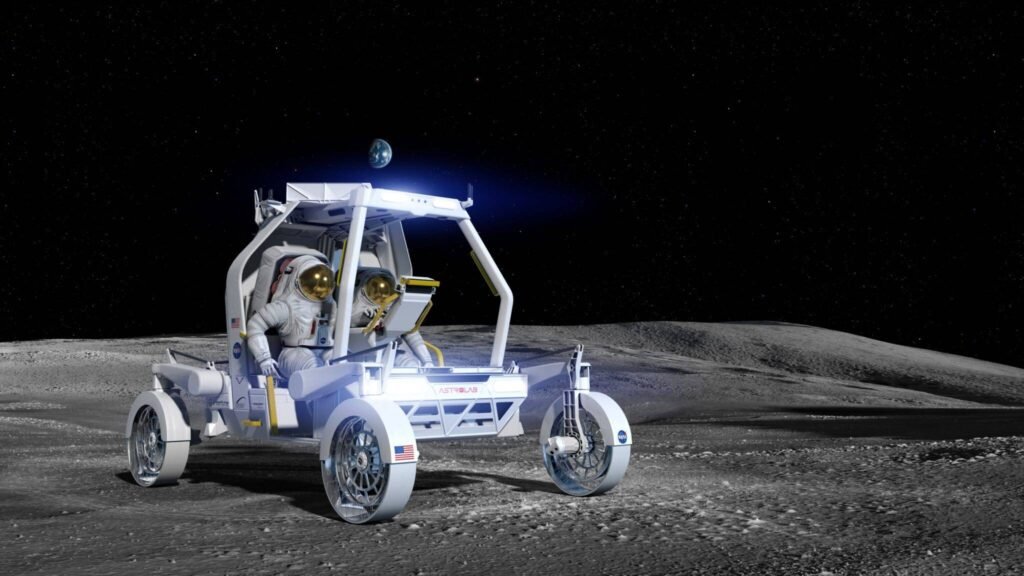
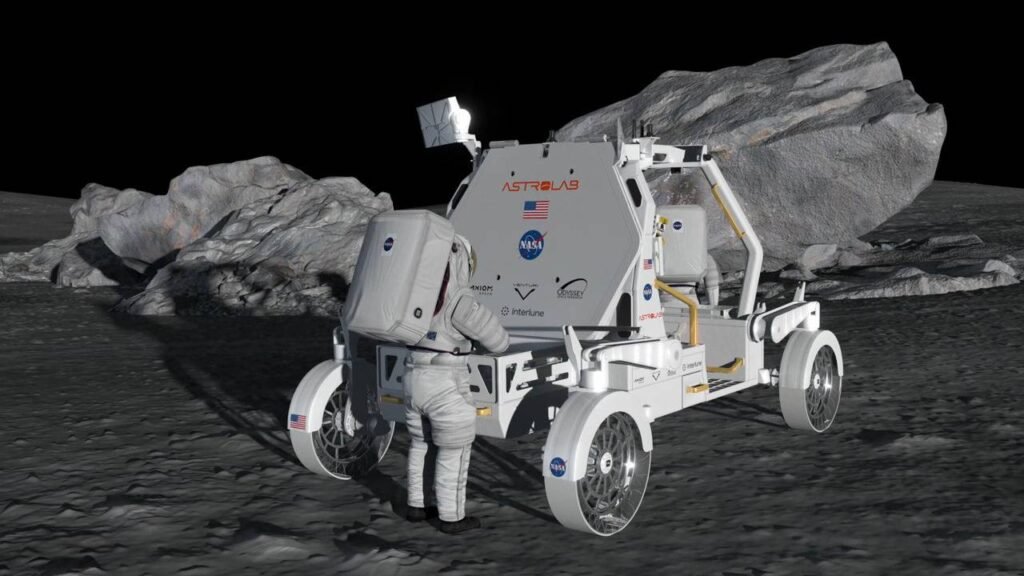
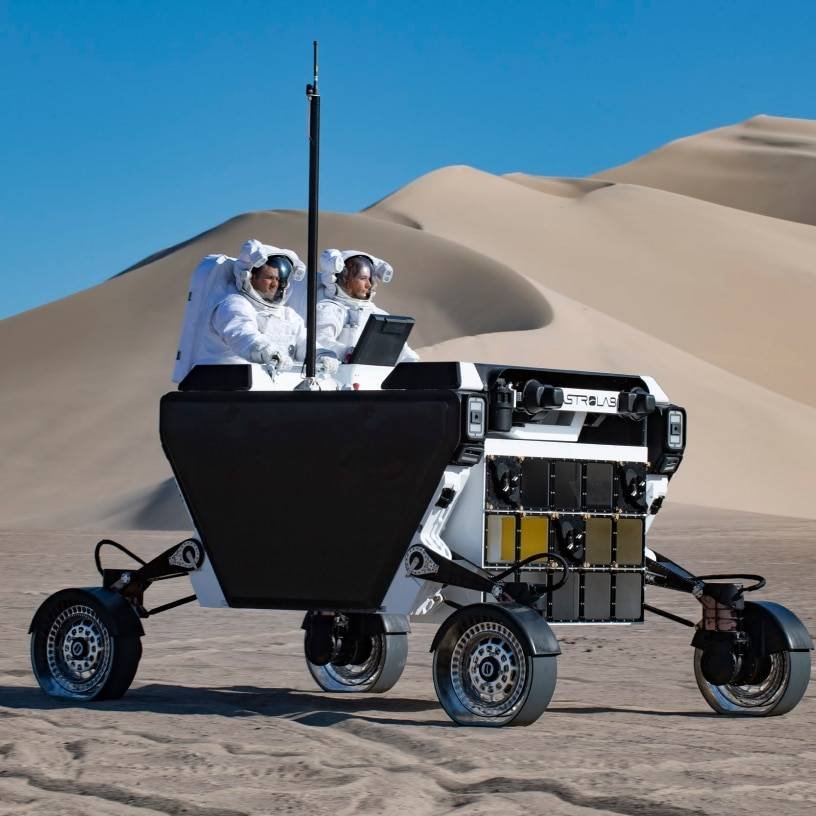
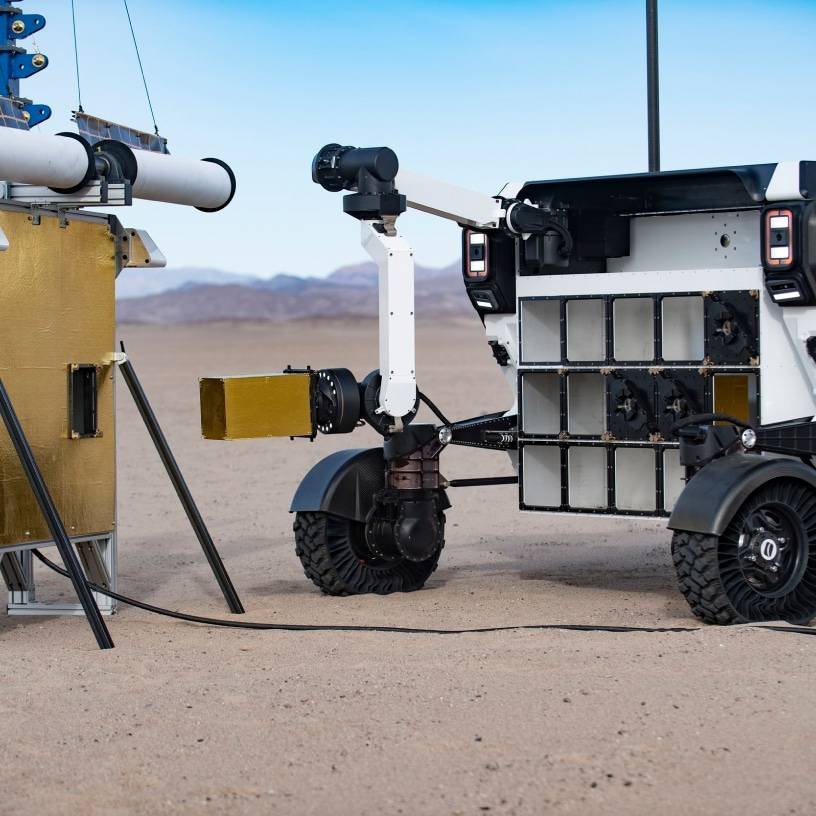
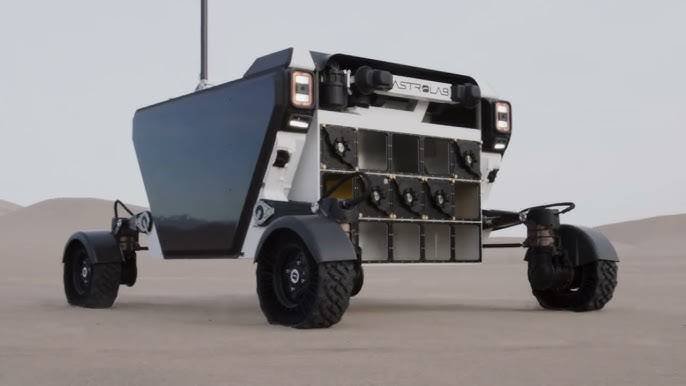
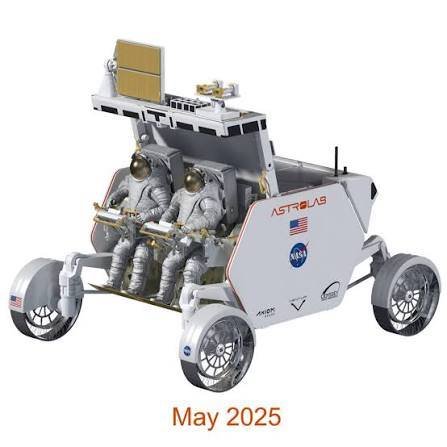
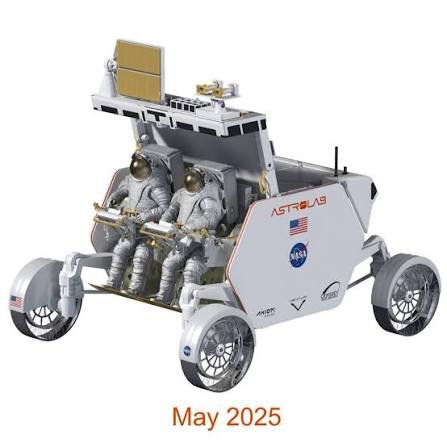
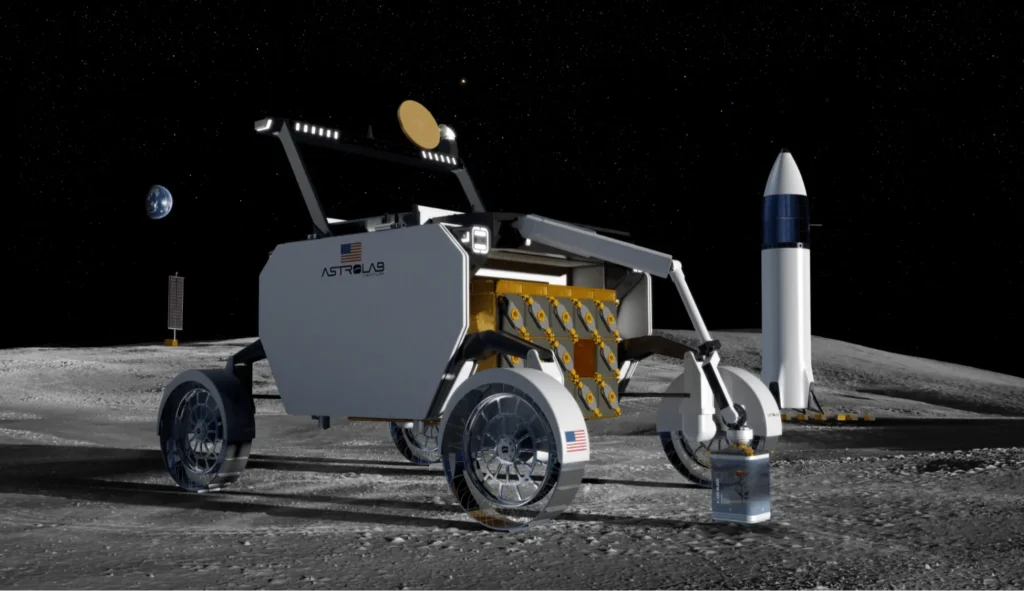
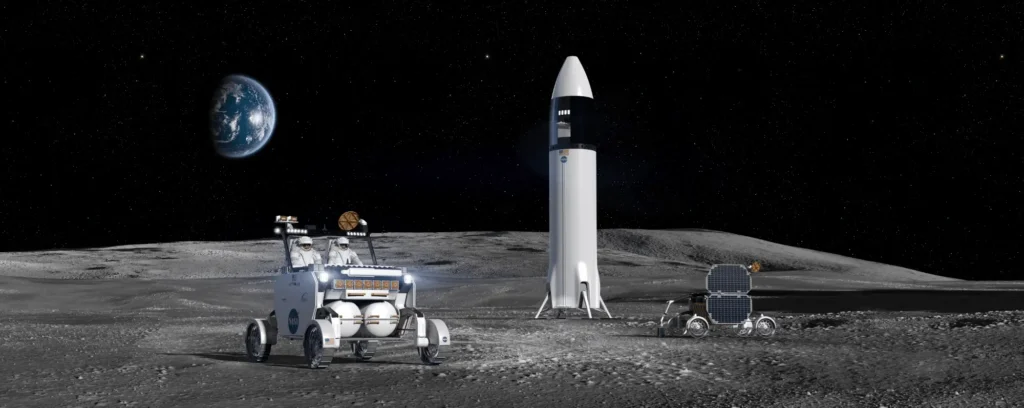
The cornerstone of Astrolab’s robot-based products is the FLEX rover, officially known as the Flexible Logistics and Exploration Rover. FLEX is the largest and most versatile lunar rover ever developed, with a total payload capacity of 2,000 kg. It features two top-deck payload interfaces for modular attachments such as crew cabins or robotic arms, plus an underslung payload bay capable of carrying up to 3 m³ of cargo including tools, scientific instruments, and sample containers. A standout robotic feature is its six-degree-of-freedom robotic arm equipped with interchangeable end effectors. This arm enables the rover to perform complex science tasks, logistics operations, payload handling, and maintenance activities autonomously or in support of human astronauts.
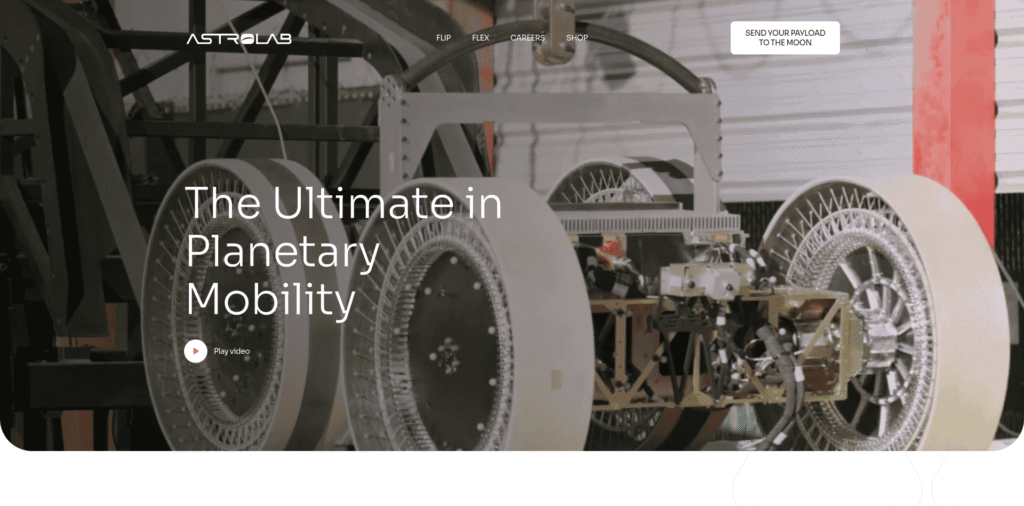
FLEX is engineered for exceptional mobility on challenging lunar terrain. It utilizes four independently articulating limbs that keep the chassis level on steep slopes, absorb shocks at high speeds, adjust ground clearance, and assist in picking up or deploying payloads. The rover is fitted with industry-leading wheels developed in partnership with Venturi Space. These wheels have undergone extensive terrestrial testing and will be validated on the lunar surface, providing superior traction in soft regolith. For autonomy, FLEX includes a suite of sensors, a gimbaling high-bandwidth antenna for reliable Earth communication, and semi-autonomous capabilities that allow it to navigate hazards, align with payloads, and operate independently between crewed missions. It is also designed with robust power systems, including large batteries and collapsible solar arrays capable of surviving the harsh 14-day lunar night.
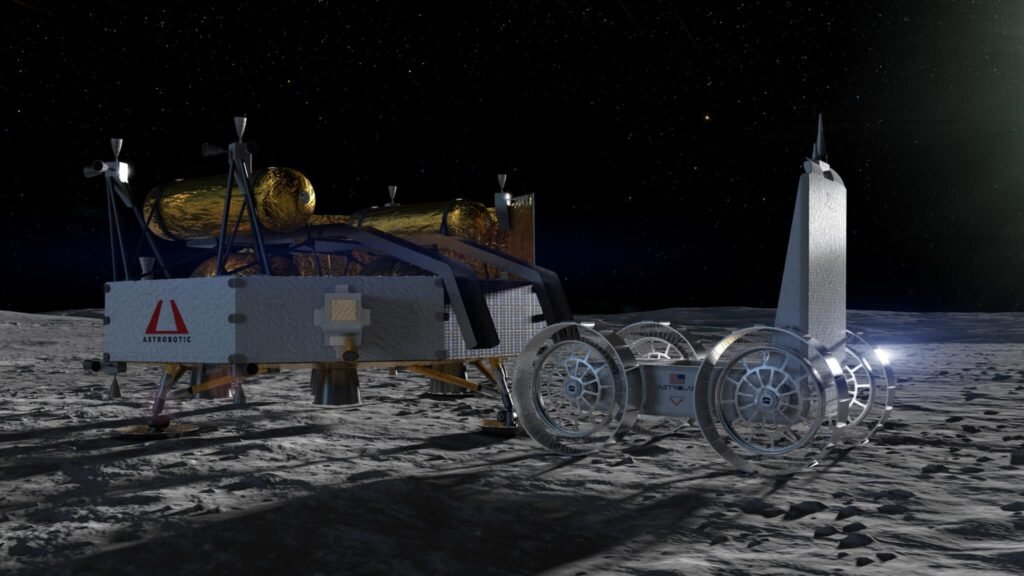
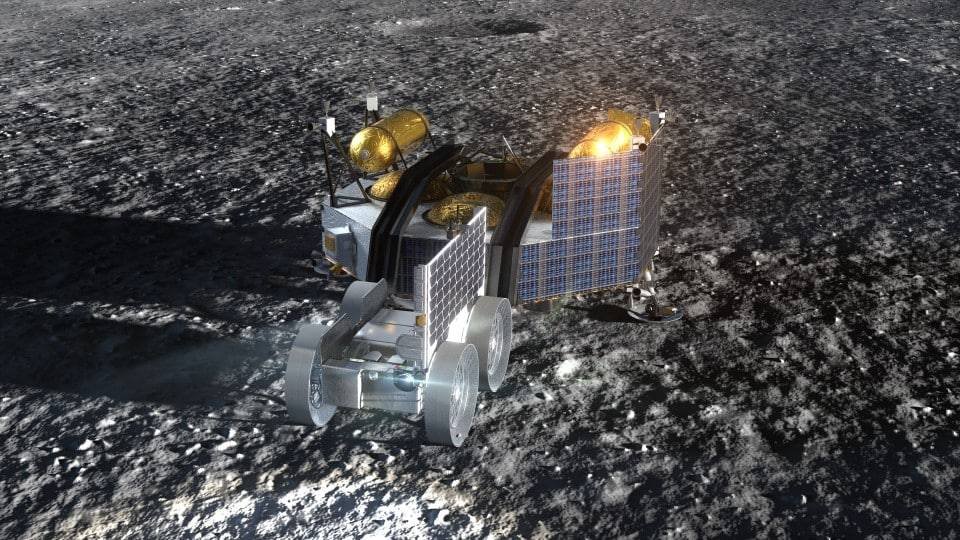
To accelerate development and gather real mission data, Astrolab has created FLIP (FLEX Lunar Innovation Platform), a smaller demonstration rover that shares critical DNA with the full FLEX system. FLIP uses the same full-size wheels, identical battery technology, communications hardware, sensors, software, and avionics as FLEX. This commonality allows Astrolab to validate systems on the Moon years earlier. FLIP is scheduled to fly aboard Astrobotic’s Griffin-1 lander in late 2026 as part of NASA’s Commercial Lunar Payload Services (CLPS) program. It will carry multiple NASA payloads, including a LiDAR demonstration for navigation, a multispectral camera for helium-3 resource mapping in collaboration with Interlune, a lunar dust effects sensor, and a laser retroreflector array. This mission will mark the first time a laser retroreflector flies on a moving lunar rover.
Astrolab’s long-term vision extends well beyond single missions. The company is developing a line of Commercial Lunar Vehicles (CLV), with CLV-1 targeted for launch in early 2028 under NASA’s Artemis program. FLEX is intended to become the foundational workhorse for lunar infrastructure, supporting crewed Artemis expeditions, in-situ resource utilization (ISRU), construction, cargo transport, and the emergence of a true lunar economy. By combining high payload capacity, advanced robotics, superior mobility, and semi-autonomous operation, these rovers reduce risk, lower costs, and dramatically expand the range astronauts can explore compared to walking or smaller legacy vehicles.
Astrolab emphasizes rapid iteration, rigorous terrestrial field testing, and collaboration. It maintains state-of-the-art testing facilities in Hawthorne and actively partners with organizations such as NASA, Astrobotic, Interlune, and Venturi Space. The company has secured significant NASA contracts, including selection for the Lunar Terrain Vehicle Services (LTVS) program, and continues to expand its workforce of approximately 80 engineers and specialists. Its pragmatic, hardware-first philosophy — “build, break, repeat” — has positioned Astrolab as a leader in commercial planetary robotics.
Map
Sorry, no records were found. Please adjust your search criteria and try again.
Sorry, unable to load the Maps API.