Profile
NASA uses robots and robotic systems to explore other planets and objects in our solar system as precursors to crewed missions, assist astronauts on the International Space Station, study the universe, and much more. This also includes autonomous systems that enable robotics, spacecraft and aircraft to operate in a dynamic environment independent of external control.
Founded in 1958 as a civilian federal agency of the United States government, NASA is not a commercial company but a public research and exploration organization tasked with advancing scientific discovery, space exploration, and aeronautics. Robotics has become one of its most critical strategic capabilities, enabling missions that would be too dangerous, distant, or costly for humans alone. The fundamental purpose of NASA’s robotics efforts is to extend humanity’s reach across the solar system, reduce risk to astronauts, conduct detailed scientific investigations in extreme environments, develop advanced autonomy and artificial intelligence technologies, support sustainable human exploration of the Moon and Mars through the Artemis program, and generate spin-off innovations that benefit life on Earth in fields such as medicine, disaster response, manufacturing, and environmental monitoring.
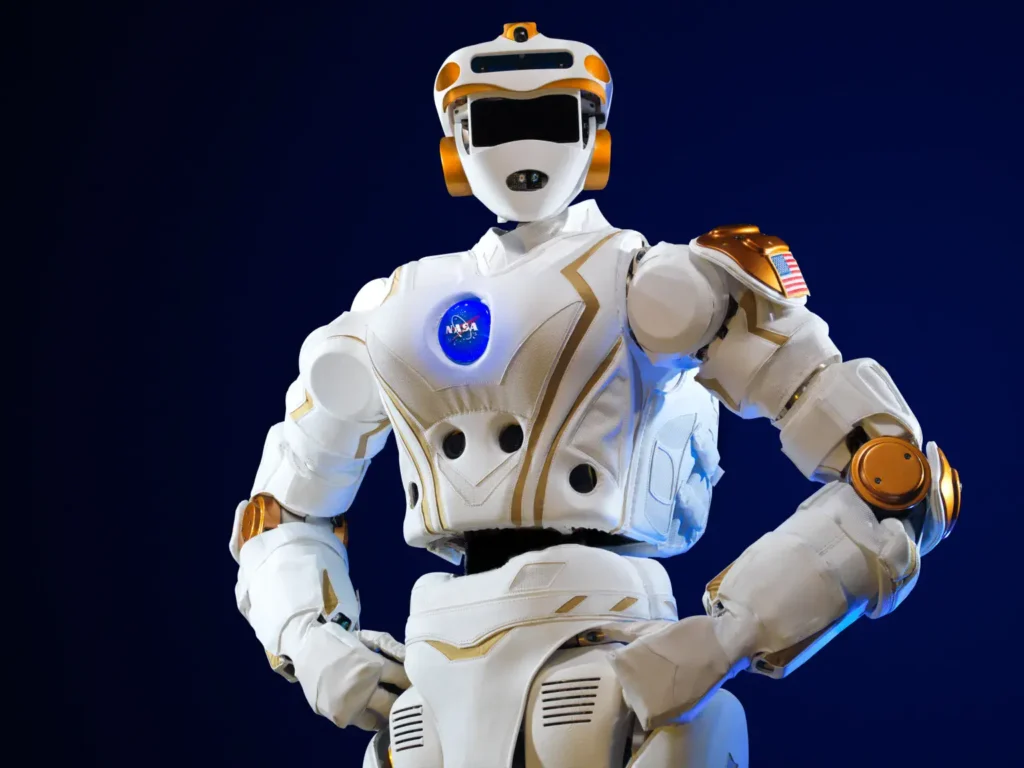
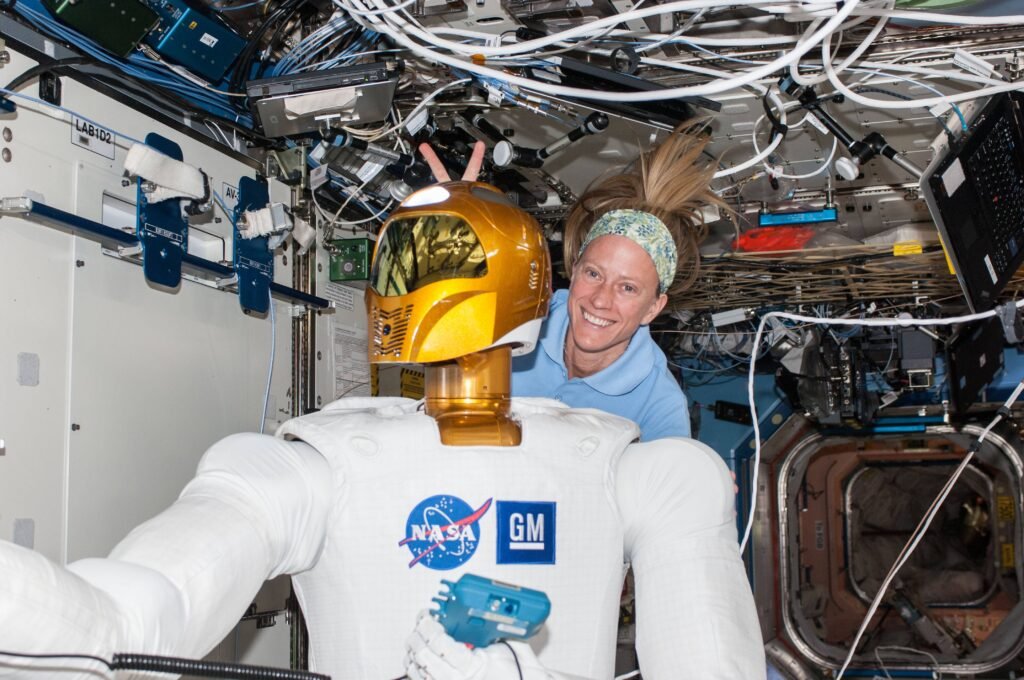
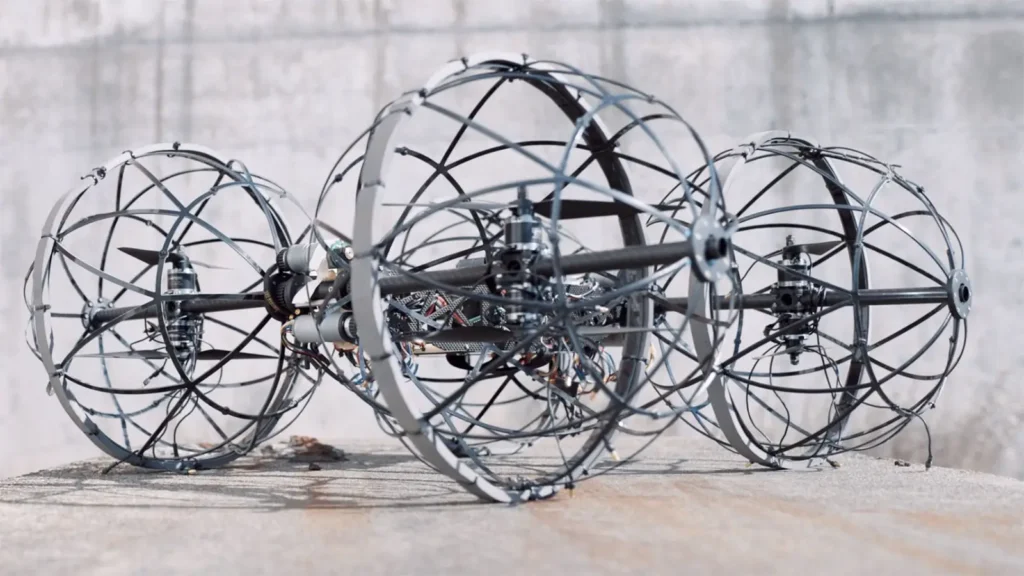
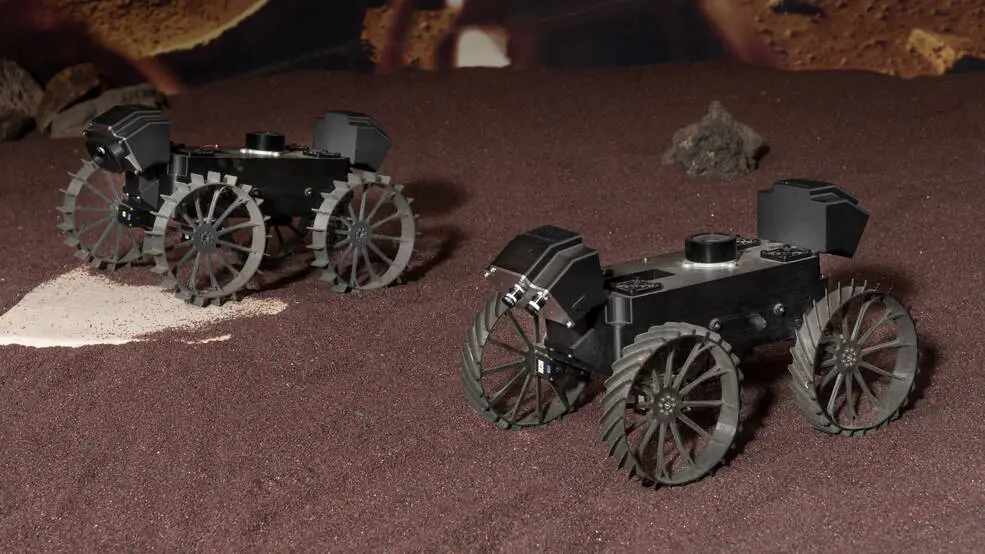
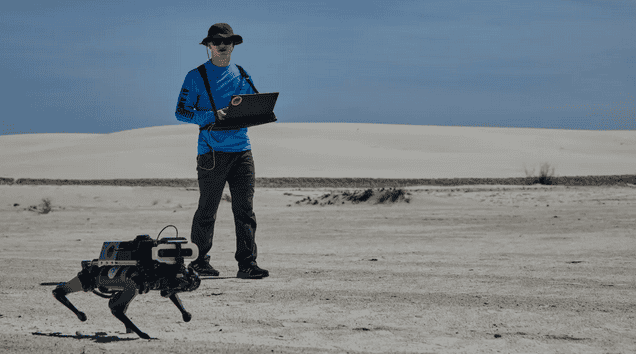
The site details a vast portfolio of operational robotic systems, prototypes, and research platforms developed across NASA’s major centers including the Jet Propulsion Laboratory (JPL), Johnson Space Center, Ames Research Center, Goddard Space Flight Center, and Langley Research Center. Standout “products” include the Mars rovers Perseverance and Curiosity, sophisticated robotic geologists capable of autonomous driving, high-precision sample collection and caching, and in-situ scientific analysis. Perseverance’s companion, the Ingenuity helicopter, made history as the first aircraft to achieve powered flight on another planet. On the International Space Station, NASA operates the Astrobee free-flying robots for inventory management, monitoring, and research support, while earlier humanoid platforms like Robonaut 2 tested safe human-robot collaboration in microgravity. For future lunar missions, NASA is developing the VIPER rover to search for water ice in permanently shadowed craters and advanced humanoid systems such as Valkyrie to work alongside astronauts. Additional highlights include orbital robotics projects like OSAM-1 (On-orbit Servicing, Assembly, and Manufacturing), sophisticated robotic arms derived from technologies used on the ISS (including contributions to Canadarm2 and Dextre), technologies for Mars Sample Return, swarm robotics, legged locomotion, tactile sensing, and highly autonomous systems capable of operating with long communication delays.
Beyond showcasing hardware and missions, the website offers extensive educational resources, technical papers, videos, mission updates, interactive content, and outreach materials intended to inspire future engineers and scientists while promoting transparency in research. Through partnerships with industry, academia, and international space agencies, NASA continues to push the boundaries of what robots can achieve. Ultimately, the robotics program embodies NASA’s vision of becoming a multi-planetary species by blending engineering excellence, scientific curiosity, and strategic innovation to solve some of the most challenging problems in space exploration.
Map
Sorry, no records were found. Please adjust your search criteria and try again.
Sorry, unable to load the Maps API.