Profile
FlexLink is a global leader in automated conveyor systems and production flow solutions with more than 40 years of experience. Part of the Coesia Group, FlexLink was founded in 1980 in Sweden and has grown into an international company with over 1,300 employees, 26 operating units, and representation in more than 60 countries. The company reported approximately €350 million in order intake and completes more than 5,000 projects annually, having installed over 9,000 km of conveyor lines worldwide. Headquartered in Göteborg, Sweden, FlexLink specializes in modular conveyor systems, aluminum and stainless-steel structural components, production flow optimization, and advanced automation technologies. It serves a wide range of industries including food and beverage, pharmaceutical, personal care, tissue and hygiene, electronics, automotive, batteries, e-commerce, dairy, lab automation, and optical. FlexLink emphasizes sustainable manufacturing, reduced total cost of ownership (TCO), high throughput, minimized downtime, and flexible, future-proof solutions. Its portfolio includes consulting, simulation, controls, accumulation, diverting, merging, and a comprehensive range of plastic chain, modular belt, puck, pallet, spiral, wedge, and PCB-handling conveyors. The company invests heavily in R&D, proprietary products, and digital tools, offering an online design tool, technical library, and showroom to support customers from concept to implementation.
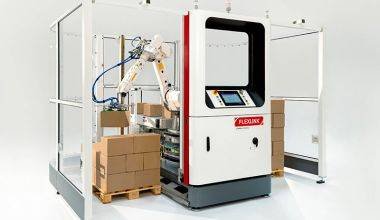
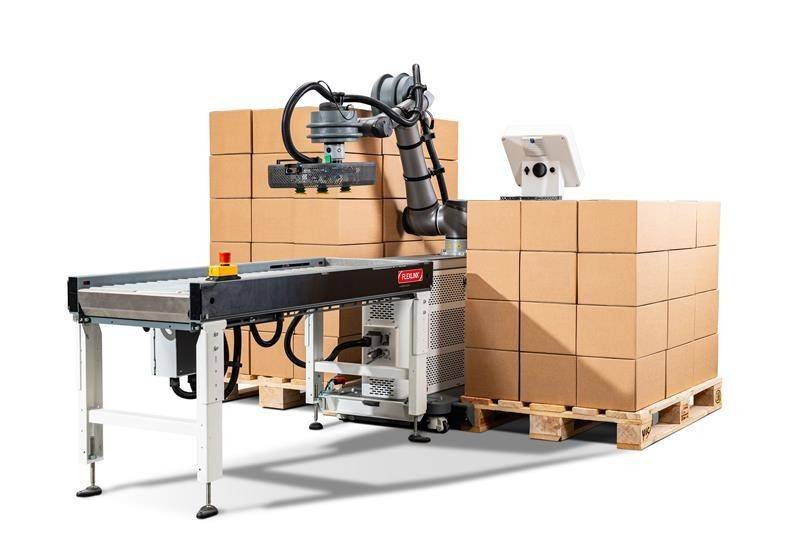
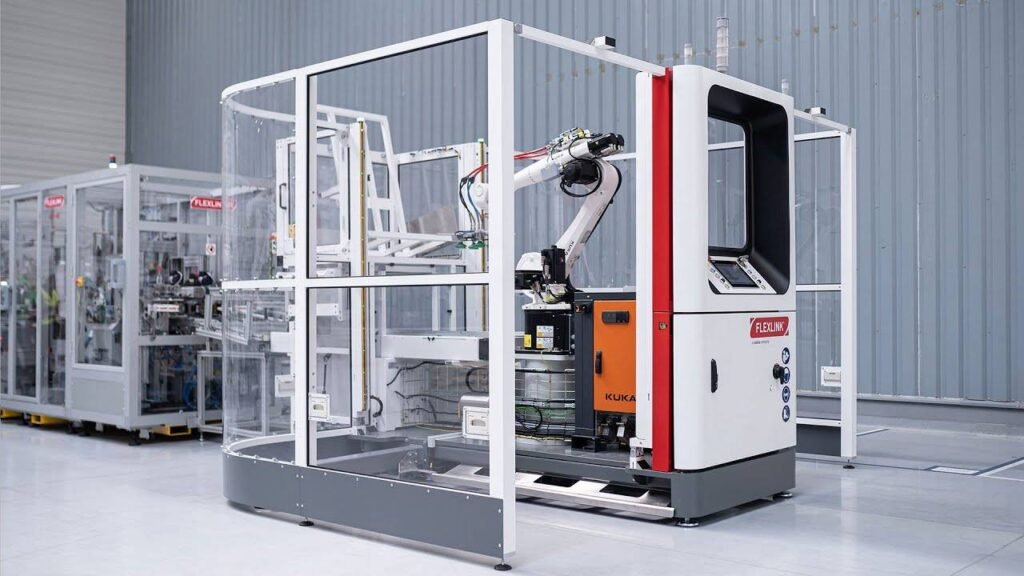
A key focus area for FlexLink is its Cobots & Robots division, which integrates collaborative robots, industrial robots, and advanced automation cells with its conveyor systems to address labor-intensive tasks, increase efficiency, and improve ergonomics. Rather than manufacturing robots itself, FlexLink acts as an expert integrator, designing complete robotic applications that combine its proven conveyor platforms with leading robot brands. These solutions are engineered for simple, repetitive processes while allowing human operators to focus on higher-value tasks. The company’s robot-based offerings are prominently featured across its portfolio under four main application categories:
-
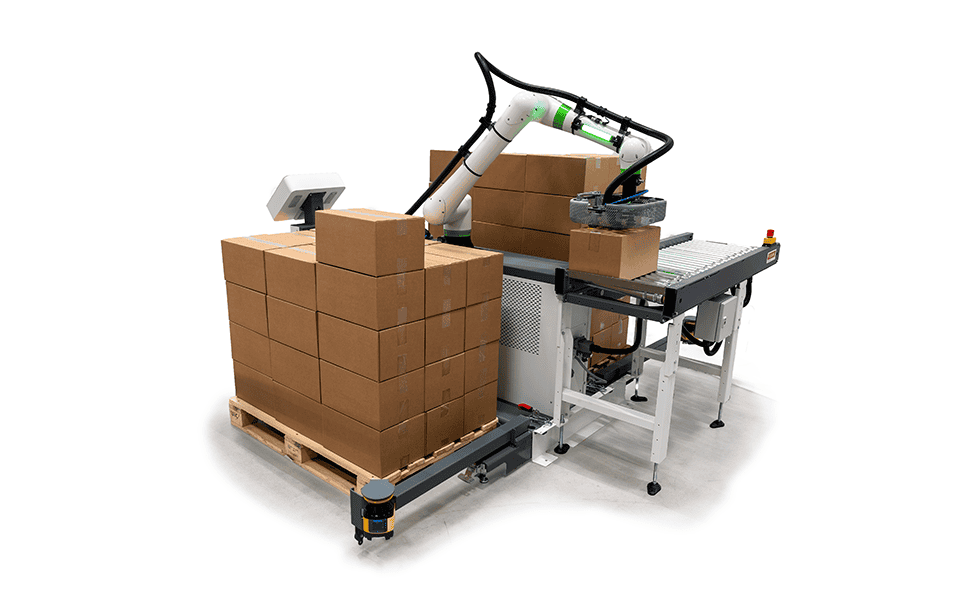
Palletizing: Robotic palletizing cells that automatically build stable, optimized pallet loads from products arriving via conveyors. These systems handle variable product sizes, weights, and patterns with high speed and precision, often using vision guidance and advanced gripper technology.
-
Carton Loading: Robotic systems that pick individual products or groups from conveyor lines and accurately load them into cartons or cases. These solutions improve consistency, reduce damage, and significantly boost packing speeds.
-
Case Packing: Fully automated robotic case packers that erect cases, load products in various configurations, and seal them. Integrated with FlexLink’s pallet and puck conveyors, these systems deliver seamless end-of-line automation.
-
Packing Automation: Broader robotic packing solutions that encompass secondary and tertiary packaging, including wrapping, labeling, and quality verification, often combined with AMRs or additional material handling robots.
FlexLink robotic solutions are designed with safety, flexibility, and ease of integration in mind. They leverage collaborative robots (cobots) for applications where humans and machines work side-by-side, as well as traditional industrial robots for higher-speed or heavier-duty tasks. The systems are typically controlled through unified software platforms that synchronize conveyors, robots, vision systems, and safety devices. This integrated approach reduces engineering time, ensures smooth material flow, and supports Industry 4.0 connectivity for real-time data collection, predictive maintenance, and performance optimization. FlexLink also offers comprehensive services including maintenance, modernization, training, spare parts, and production support to maximize uptime and lifecycle value.
By combining its world-class conveyor expertise with robotics, FlexLink helps manufacturers achieve higher productivity, lower labor dependency, improved sustainability, and greater adaptability to changing market demands. Its modular philosophy allows systems to be reconfigured as needs evolve, aligning with the company’s commitment to long-term customer partnerships and responsible manufacturing.
Map
Sorry, no records were found. Please adjust your search criteria and try again.
Sorry, unable to load the Maps API.