Profile
Luxonis is a leading innovator in embedded vision, spatial artificial intelligence, and advanced camera systems designed specifically for robotics and edge computing applications. Founded in 2018 in the San Francisco Bay Area, the company has rapidly become a favorite among robotics developers, researchers, and industrial automation teams due to its powerful combination of hardware and software that makes sophisticated computer vision accessible and affordable. Luxonis is best known for pioneering the DepthAI platform and the highly popular OAK (OpenCV AI Kit) series of cameras, which integrate high-resolution RGB sensing, active stereo depth, inertial measurement units (IMUs), and powerful onboard AI acceleration into compact, deployable devices. Their technology enables robots to perceive, understand, and interact with complex environments in real time without relying on heavy cloud processing or powerful external computers.
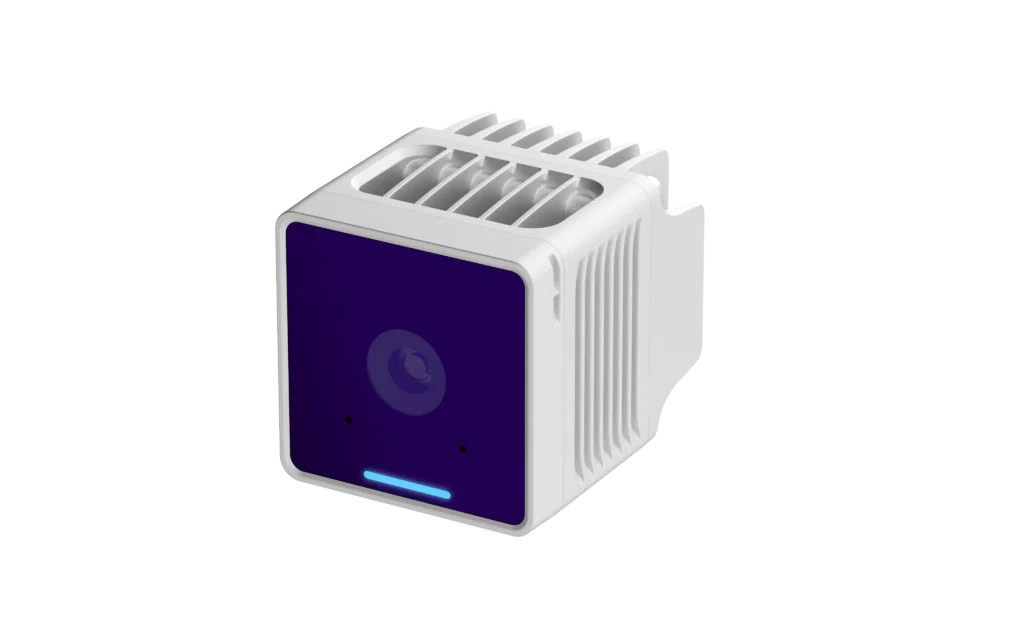
The core of Luxonis’ robot-based product lineup is the OAK-D family of spatial AI cameras. Current flagship models such as the OAK-D Pro, OAK-D S2, and the latest RVC4-powered versions combine a 4K RGB camera with stereo depth sensors and a dedicated AI accelerator capable of running neural networks at over 30 frames per second directly on the device. These cameras excel in robotics applications including obstacle avoidance, object detection and tracking, visual servoing for robotic arms, simultaneous localization and mapping (SLAM), human pose estimation, and gesture recognition. The inclusion of an onboard IMU enables advanced visual-inertial odometry critical for mobile robots and drones. Luxonis also offers specialized variants such as the OAK-1 for pure 2D vision tasks, PoE-enabled industrial versions for factory environments, and multi-camera synchronization kits for larger robotic systems.
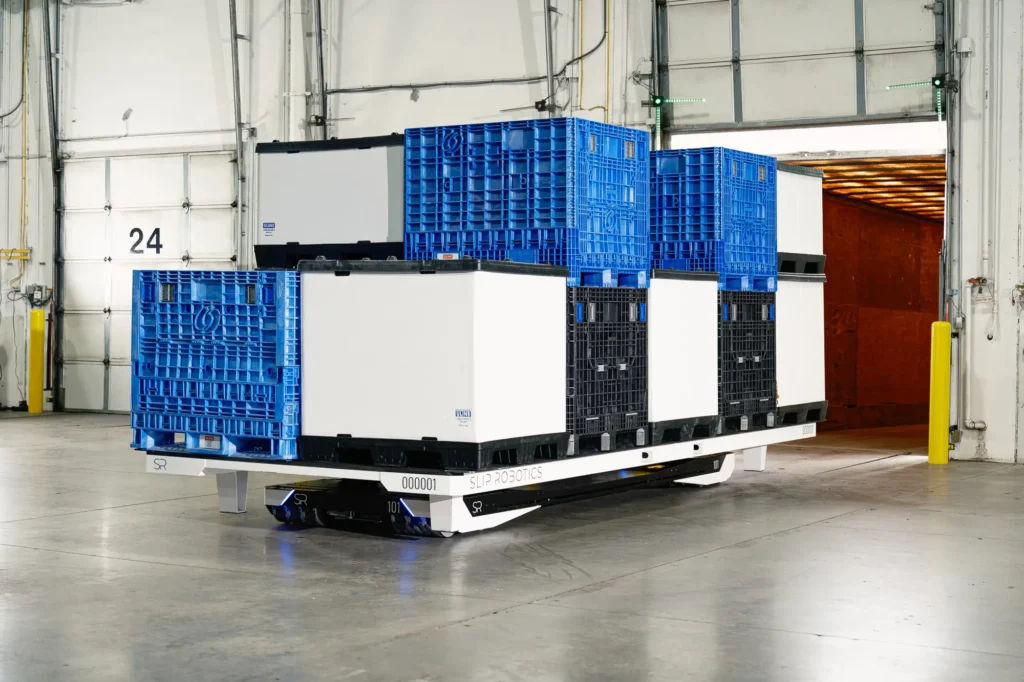
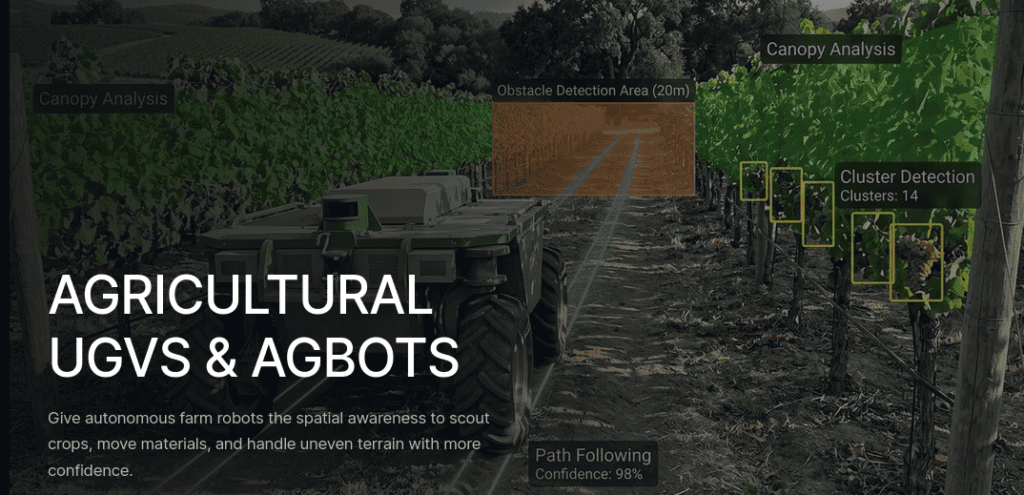
What distinguishes Luxonis in the robotics space is its comprehensive DepthAI software ecosystem. The open-source SDK provides simple Python APIs, native ROS 2 integration, extensive model zoo support (including YOLO, MobileNet, and custom-trained models), and powerful tools for converting and optimizing neural networks from PyTorch, TensorFlow, and ONNX. This allows roboticists to deploy complex AI perception pipelines with remarkably low latency and power consumption. The platform supports over 30,000 community-developed projects and is widely used in agricultural robots, warehouse automation, last-mile delivery vehicles, collaborative robot arms, autonomous surface vehicles, and educational robotics platforms.
Luxonis continues to push innovation with newer releases focused on higher-resolution depth sensing, improved low-light performance, longer-range stereo vision, and more powerful onboard processing with their own RVC (Robotics Vision Core) chips. Their cameras are valued for being production-ready, rugged, and competitively priced compared to traditional industrial vision systems. The company maintains a strong commitment to open-source development with an extremely active GitHub repository, detailed documentation, and a vibrant Discord community that accelerates development cycles for robotics teams.
By making spatial AI perception accessible, reliable, and easy to integrate, Luxonis has become an essential enabling technology for the next generation of intelligent robots. As the demand for capable, cost-effective perception systems grows across industrial automation, service robotics, and research, Luxonis is well-positioned to remain a key player through continuous hardware innovation and its developer-centric software philosophy. Their solutions significantly reduce the complexity and cost of adding advanced vision capabilities to robotic platforms.
Map
Sorry, no records were found. Please adjust your search criteria and try again.
Sorry, unable to load the Maps API.