Profile
LifeWard (operating via golifeward.com) is a medical technology company specializing in wearable robotic exoskeletons designed to restore mobility and improve quality of life for individuals with neurological conditions, particularly spinal cord injuries and stroke-related impairments. Originally founded in 2001 in Israel as ReWalk Robotics by Dr. Amit Goffer, the company rebranded to LifeWard to reflect its expanded vision of empowering users to “go” forward in life with greater independence. The company went public in 2014 and maintains headquarters in the United States with additional operations in Israel and Europe. Its core mission centers on developing innovative, battery-powered robotic systems that integrate advanced sensors, motors, and control algorithms to mimic natural human gait.
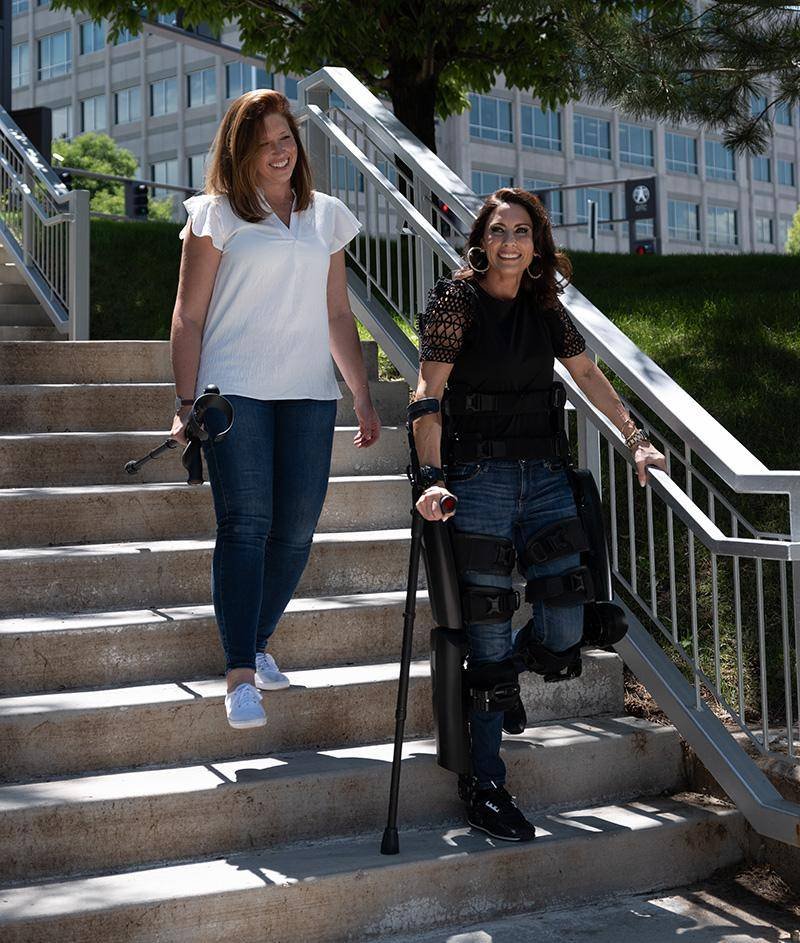
The flagship product line revolves around the ReWalk exoskeleton platform. The ReWalk Personal 6.0 is a lightweight, wearable robotic suit approved for personal use at home and in the community. It consists of a fitted exoskeleton with motorized joints at the hips and knees, a backpack containing a rechargeable battery and computer system, and a wrist-worn controller. Users typically employ forearm crutches or a walker for stability. The system uses a combination of tilt sensors, accelerometers, and sophisticated software that interprets subtle shifts in the user’s center of gravity to initiate steps, turns, sitting, and standing. This technology enables users with complete thoracic-level spinal cord injuries to stand upright, walk at varying speeds, navigate slopes, and even climb stairs—activities previously impossible for many.
For clinical and rehabilitation settings, LifeWard offers the ReWalk Rehabilitation system, which allows physical therapists to adjust parameters in real time while supervising multiple patients. Another key product is ReStore, a soft, powered exosuit specifically developed for individuals recovering from stroke. Unlike the rigid-frame ReWalk, ReStore uses a flexible design with functional electrical stimulation-like assistance on the affected ankle, helping to normalize gait patterns during rehabilitation sessions. These robot-based products are not simple mobility aids; they represent sophisticated mechatronic systems that combine biomechanics, real-time feedback control, artificial intelligence elements for gait prediction, and cloud-connected data logging for therapy optimization.
Clinical studies and real-world outcomes have demonstrated significant benefits beyond mobility. Regular use of LifeWard exoskeletons has been linked to improvements in cardiovascular health, increased bone mineral density, better bowel and bladder function, reduced secondary medical complications, and positive impacts on mental health through restored independence and social participation. The systems have received regulatory clearances including FDA approval for both personal and rehabilitation use in the United States, as well as CE marking in Europe. LifeWard continues to invest in research, physician training programs, and payer advocacy to expand insurance coverage for these transformative devices.
The broader robotics industry context highlights LifeWard’s position as a pioneer in the medical exoskeleton space. While competitors exist, the company’s long track record, extensive clinical evidence base, and focus on user-centered design distinguish its offerings. Looking forward, the company is exploring expanded indications, lighter materials, improved battery life, integration of more advanced AI for predictive movement, and potential applications in additional neurological conditions. As aging populations and rising rates of neurological injuries increase global demand for mobility solutions, LifeWard’s robot-based products stand at the intersection of cutting-edge engineering and profound human impact, aiming to shift users from dependence to active participation in daily life.
Map
Sorry, no records were found. Please adjust your search criteria and try again.
Sorry, unable to load the Maps API.