Profile
Stereotaxis is a pioneering medical robotics company focused on transforming endovascular and electrophysiology procedures through advanced robotic navigation technology. Founded in 1990 and headquartered in St. Louis, Missouri, the company is a global leader in robotic magnetic navigation (RMN) systems designed to enhance the precision, safety, and efficiency of minimally invasive interventions, particularly for treating cardiac arrhythmias and performing complex endovascular procedures. Stereotaxis aims to improve patient outcomes while reducing radiation exposure and physical strain on physicians.
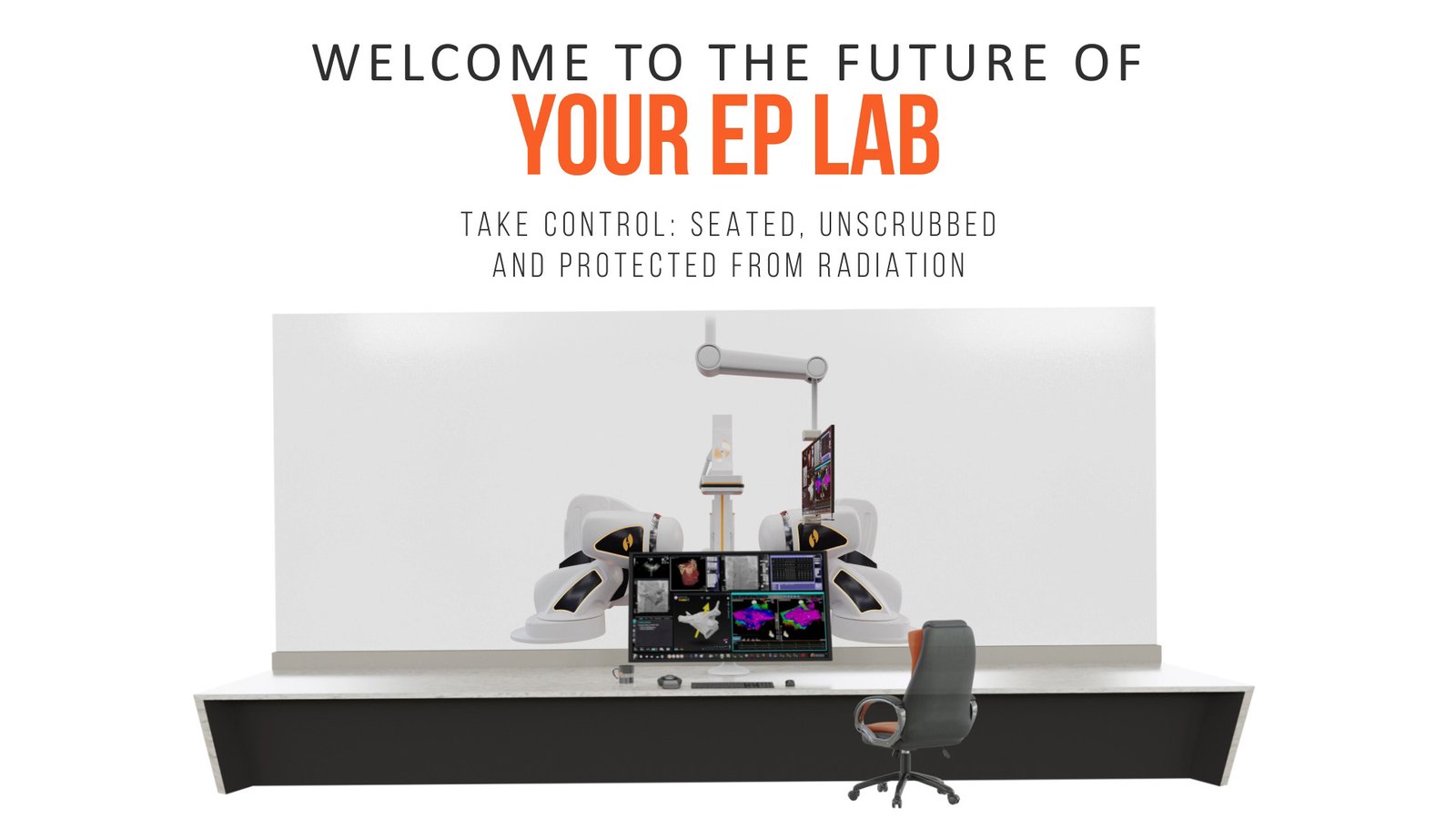
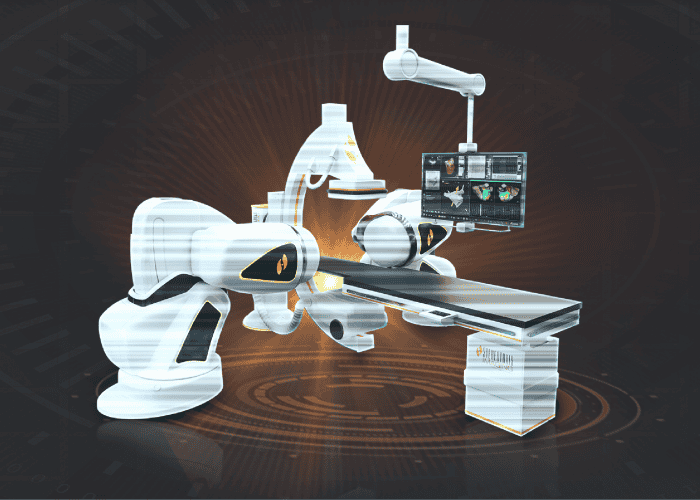
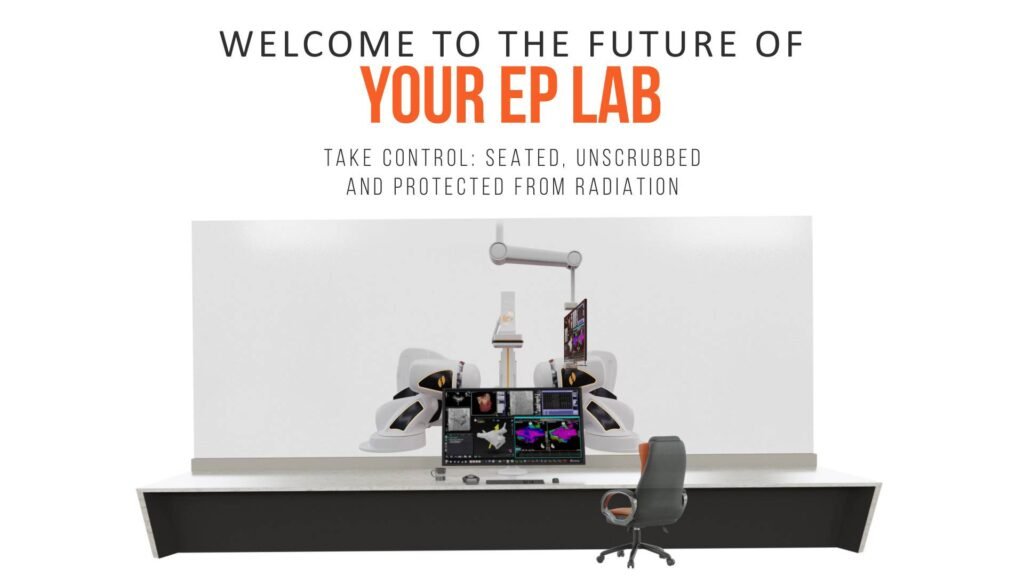
The company’s core innovation lies in its robotic magnetic navigation platform, which uses powerful external magnets to precisely control the tip of specialized catheters and guidewires inside the patient’s body. This allows physicians to navigate complex vascular anatomy with greater dexterity and control from a remote console, reducing the need for manual manipulation.
Key Robot-Based Products:
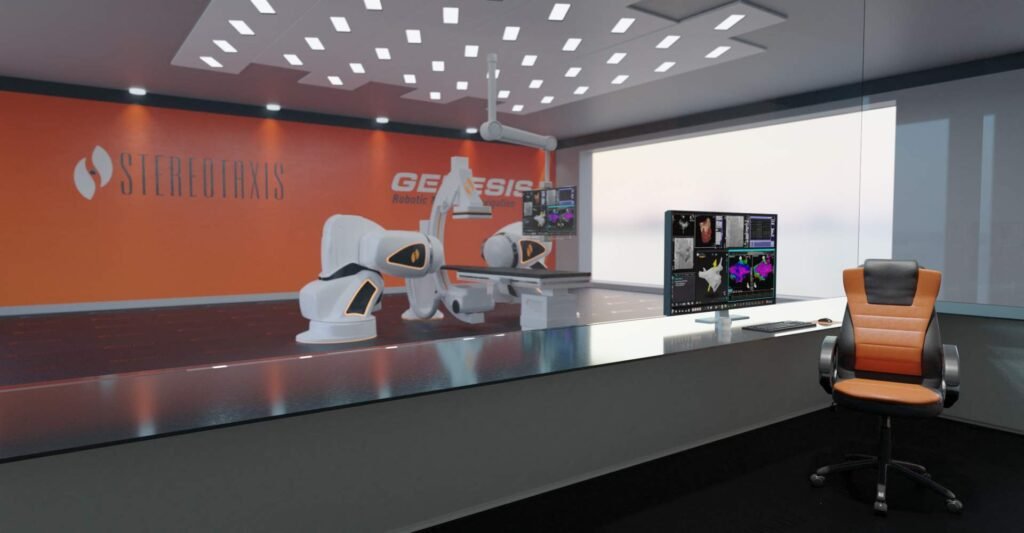
- Genesis RMN System: Stereotaxis’ flagship robotic magnetic navigation platform. It is designed as the most powerful and responsive RMN system available, offering unprecedented physician control, faster procedure times, and improved workflow in electrophysiology labs. The system features advanced magnets and sophisticated software for precise 3D catheter navigation.
- GenesisX RMN System: The next-generation evolution of the platform, incorporating further advancements in responsiveness, integration, and procedural efficiency.
- Robotic Catheters and Consumables: Specialized disposable magnetic catheters and guidewires engineered to work seamlessly with the RMN system for cardiac ablation and other endovascular procedures.
Stereotaxis also offers supporting technologies such as the Odyssey solution for advanced procedure visualization and integration, along with a comprehensive ecosystem of software tools that enhance procedural planning, execution, and data management. The company’s systems are installed in leading hospitals and electrophysiology centers worldwide and have been used in tens of thousands of procedures. Clinical studies have shown benefits including reduced fluoroscopy time (radiation exposure), improved lesion quality, and better outcomes in complex arrhythmia treatments.
Stereotaxis continues to innovate at the intersection of robotics, AI, and interventional medicine, with a clear focus on making complex endovascular procedures safer and more effective for both patients and physicians.
Map
Sorry, no records were found. Please adjust your search criteria and try again.
Sorry, unable to load the Maps API.